Trump Warns Iran Over Hezbollah as Negotiations Continue in Switzerland
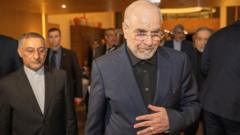
Trump Issues Military Ultimatum During Iran Talks in Switzerland
Tensions have escalated significantly as Iran negotiations Switzerland unfold, with the United States president delivering stern warnings regarding Iran's influence over militant groups in the region. Despite remaining absent from the official negotiating table, the American leader has made clear his administration's willingness to pursue military action should Iran fail to exert meaningful control over Hezbollah's operations in Lebanon.
The Context of Current Diplomatic Efforts
The ongoing Iran negotiations Switzerland represent a critical juncture in Middle Eastern diplomacy. Representatives from both nations are engaged in substantial discussions aimed at addressing longstanding grievances and establishing a framework for future relations. However, the presence of the US president's threatening rhetoric adds considerable pressure to these delicate proceedings.
The fundamental issue centers on Iran's alleged support and influence over Hezbollah, the Lebanese-based militant organization classified as a terrorist entity by the United States and several allied nations. This relationship has long been a cornerstone of American foreign policy concerns in the region, and the current administration has signaled that patience regarding this matter is limited.
Understanding Hezbollah's Role in Lebanon
Hezbollah operates as both a political and military force within Lebanon, maintaining significant influence over domestic affairs while simultaneously serving as a proxy for Iranian interests throughout the Middle East. The organization's activities extend beyond traditional military engagements, encompassing political representation, social services, and strategic positioning against Israel.
The Lebanese state faces considerable challenges in controlling Hezbollah's operations, given the organization's deep entrenchment within society and its substantial financial backing from Tehran. This structural reality complicates diplomatic efforts aimed at constraining the group's activities without destabilizing Lebanon's fragile political balance.
Trump Administration's Strategic Position
The American president's absence from the Switzerland negotiations underscores a deliberate diplomatic strategy. By remaining outside the formal talks while issuing direct threats, the administration maintains pressure on Iranian negotiators while preserving flexibility in the official negotiating process. This approach reflects broader strategic calculations regarding how to leverage military might as a negotiating tool.
The threat of military action carries significant weight given America's military capabilities and demonstrated willingness to conduct operations in the Middle East. Previous administrations have implemented targeted strikes against Iranian facilities and proxy forces, establishing a credible precedent for such threats.
Iran's Response and Counter-Positions
Iranian negotiators have reportedly responded to these threats with their own warnings, suggesting that any military action would result in severe consequences for regional stability and American interests. Iran has historically demonstrated capability and willingness to retaliate against perceived threats, both directly and through its network of allied militant organizations.
The Iranian government maintains that Hezbollah operates independently as a legitimate Lebanese political party and resistance movement, rejecting characterizations of the group as merely a puppet organization subject to direct Iranian command. This fundamental disagreement over the nature of Iran's relationship with Hezbollah remains a central obstacle to meaningful diplomatic progress.
Regional Implications and Strategic Considerations
The escalating rhetoric between American and Iranian leadership threatens to undermine whatever progress negotiators in Switzerland may achieve. A military confrontation would have catastrophic consequences for regional stability, potentially triggering broader conflicts involving Israel, multiple Arab states, and international powers with vested interests in Middle Eastern affairs.
Lebanon itself remains particularly vulnerable to destabilization, given its weak governmental institutions and the presence of Israeli forces along its borders. Any major conflict involving Hezbollah would likely devastate Lebanese civilian populations and infrastructure, further exacerbating the country's ongoing humanitarian crisis.
The Future of Diplomatic Engagement
Whether these negotiations in Switzerland can produce meaningful outcomes remains uncertain given the current trajectory of threats and counter-threats. Historical precedent suggests that when military threats accompany diplomatic efforts, negotiations often become theater masking predetermined positions rather than genuine attempts at resolving underlying conflicts.
Both sides face domestic political pressures that constrain their negotiating flexibility. The American administration must satisfy constituencies demanding a hardline approach to Iran, while Iranian leadership must maintain credibility with regional allies and domestic constituencies who view American threats as illegitimate interference.
The coming weeks will prove critical in determining whether diplomatic channels can prevail over military escalation, or whether current tensions will evolve into direct military confrontation with unpredictable consequences for global stability.


