Russian Grain Export Hubs Targeted in Ukraine's Black Sea Port Strikes
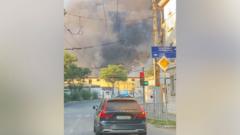
Russian Grain Export Terminals Face Significant Damage
Ukrainian forces have launched coordinated strikes against Russian grain export terminals positioned along the Black Sea coastline, marking an intensification of the maritime conflict affecting global agricultural trade. These Russian grain export terminals serve as critical infrastructure for Moscow's international commerce, and the recent attacks represent a strategic shift in how the two nations are conducting their warfare at sea.
The strikes on Russian grain export terminals have resulted in substantial disruptions to the movement of cereals and other agricultural commodities from Russian ports. Military analysts indicate that the targeting of these facilities reflects Ukraine's strategy to pressure Russia economically while simultaneously defending its own maritime interests in the contested waters of the Black Sea region.
Bilateral Impact on Global Grain Supplies
The escalating conflict has created a severe bottleneck in grain exports from both countries, exacerbating concerns about food security worldwide. Russia and Ukraine collectively account for a substantial portion of the global grain market, and any reduction in their export capacity reverberates through international food systems and commodity markets.
Grain exports from Russia have experienced notable declines following the destruction of port facilities and cargo handling equipment. Simultaneously, Ukrainian grain producers face their own logistical challenges as Russian forces continue to target shipping lanes and port infrastructure controlled by Kyiv. This reciprocal pattern of infrastructure destruction has created unprecedented complications for both nations' agricultural industries.
Strategic Port Warfare and Economic Consequences
The focus on grain export terminals reflects the broader economic dimension of the conflict. By targeting Russian grain export terminals, Ukraine aims to reduce Moscow's revenue from agricultural sales, funds that help finance military operations. Conversely, Russian attacks on Ukrainian shipping facilities seek to weaken the country's ability to generate export income from grain sales.
Shipping companies operating in the Black Sea have become increasingly cautious, with many suspending or reducing their operations in contested waters. Insurance premiums for vessels transiting the region have surged, adding additional costs to the already expensive proposition of moving grain from production areas to export ports. These factors combine to create a severe constraint on the volume of grain that can be physically transported to international markets.
Global Market Ramifications
The reduction in grain exports has immediate consequences for countries dependent on Russian and Ukrainian cereals. Food prices in vulnerable regions have begun climbing in response to supply uncertainties. Developing nations and countries with limited alternative grain sources face particular challenges in sourcing affordable food supplies.
International grain traders report increased volatility in commodity markets as participants grapple with supply disruptions and uncertain future availability. Prices for wheat, barley, and other grains have experienced fluctuations reflecting the unpredictability of shipments from the affected region.
Infrastructure Damage Assessment
Detailed assessments of damage to Russian grain export terminals indicate harm to storage facilities, loading equipment, and cargo handling systems. The destruction of these facilities requires significant time and resources to repair or replace, suggesting that export capacity constraints may persist for an extended period.
Ukrainian officials have framed the attacks on Russian grain export terminals as legitimate military operations targeting infrastructure that supports the Russian war effort. Moscow, in turn, has condemned the attacks and threatened further retaliation against Ukrainian maritime facilities.
Outlook and Future Developments
The continued targeting of grain export terminals and port facilities suggests this dimension of the conflict will remain active. Unless diplomatic progress or ceasefire agreements alter the military situation, both countries' grain export capacity will likely remain constrained by infrastructure damage and shipping hazards.
International organizations and humanitarian bodies continue calling for the establishment of safe corridors for grain shipments, recognizing the severe human consequences of sustained disruptions to global food supplies. The situation underscores how modern conflicts extend beyond traditional military domains to encompass economic infrastructure and vital commodity supply chains affecting millions of people worldwide.


