Enhanced Security Measures Deployed for Indian Medical Exam Retest Following Paper Leak Allegations
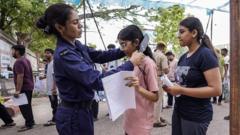
Medical Exam Security Overhaul After Alleged Paper Leak Incident
India's medical education system faced unprecedented challenges as authorities implemented comprehensive security protocols for the rescheduled examination following a significant medical exam paper leak controversy. The incident prompted regulatory bodies to establish one of the most stringent verification processes ever deployed for an educational assessment, reflecting the severity of the breach and the government's commitment to maintaining examination integrity.
Biometric Verification and Enhanced Screening
Candidates participating in the retake examination underwent mandatory biometric checks as part of the fortified security framework. The medical exam paper leak necessitated these invasive but necessary precautions to prevent unauthorized access to sensitive examination materials. Every participant faced comprehensive identification verification procedures, including fingerprint scanning and facial recognition technology, ensuring that only eligible candidates could access examination venues.
Beyond biometric screening, authorities implemented rigorous frisking procedures at examination centers nationwide. Security personnel conducted thorough physical checks of all individuals entering test facilities, confiscating electronic devices, bags, and any materials that could potentially compromise examination confidentiality. This multi-layered approach represented a dramatic escalation from standard examination day protocols.
Air Force Deployment Ensures Exam Security
In an extraordinary measure, the Indian Air Force was mobilized to secure examination papers and oversee logistics related to the medical exam paper leak aftermath. Military personnel assumed responsibility for safeguarding question papers from printing facilities to examination centers, eliminating vulnerabilities that characterized the initial administration. This unprecedented collaboration between military and civilian authorities underscored the gravity assigned to preventing future breaches.
The air force's involvement extended beyond simple logistics, incorporating classified security protocols typically reserved for sensitive defense operations. Military-grade encryption protected digital examination materials, while secure transport convoys delivered physical papers to designated testing locations under armed surveillance.
Massive Scale of Student Participation
Millions of medical aspirants faced these intensified security measures as they attempted to complete their entrance examinations. The sheer volume of candidates navigating enhanced protocols created logistical complexities, requiring coordination across hundreds of examination centers spanning India's diverse geography. Despite operational challenges, authorities prioritized examination integrity while attempting to minimize disruption to candidates' academic schedules.
The retesting process represented one of India's largest educational initiatives requiring military support, highlighting how the medical exam paper leak compromised confidence in institutional examination administration. Stakeholders from medical schools, regulatory commissions, and government agencies collaborated to establish procedures balancing accessibility with security imperatives.
Regulatory Response and Policy Implications
The incident prompted comprehensive reviews of existing examination protocols and security frameworks governing medical entrance tests. Regulatory authorities acknowledged systemic vulnerabilities that allowed the medical exam paper leak to occur, committing to structural reforms preventing recurrence. Future examinations would incorporate lessons learned during the crisis, establishing baseline security standards exceeding previous specifications.
Policy discussions focused on balancing candidate accessibility with examination security. While enhanced measures ensured integrity, authorities recognized that excessively burdensome protocols could disadvantage legitimate candidates. Subsequent policy iterations aimed to identify technical solutions reducing reliance on intensive physical screening while maintaining robust protections.
Impact on Medical Education Sector
The medical exam paper leak reverberated throughout India's medical education ecosystem, affecting student schedules, institutional planning, and regulatory credibility. Medical schools adjusted admissions timelines to accommodate delayed examination results, while candidates faced uncertainty regarding program commencement dates. The incident catalyzed broader discussions about modernizing examination administration and adopting digital solutions reducing paper-based vulnerabilities.
Professional organizations representing medical educators and students articulated concerns about examination system reliability, calling for comprehensive modernization initiatives. The crisis exposed gaps between current practices and technological capabilities that could enhance security without sacrificing accessibility.
Conclusion
The comprehensive security deployment surrounding the rescheduled medical examination demonstrated India's determination to restore institutional credibility following the medical exam paper leak controversy. Through coordinated efforts involving military support, biometric technology, and intensive physical screening, authorities successfully administered a high-stakes examination protecting its integrity. The experience provided valuable insights for future educational administration, balancing security imperatives with candidate accessibility in ways that strengthen overall system resilience.


