Iran Blocks Strait of Hormuz Following Israel's Operations in Lebanon Region
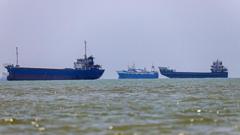
Iran Announces Strait of Hormuz Closure Amid Regional Tensions
The Iranian government has declared a significant blockade of the Strait of Hormuz, one of the world's most critical maritime chokepoints, in response to ongoing military operations by Israel targeting Lebanese territories. This announcement regarding the Strait of Hormuz closure represents a dramatic escalation in regional hostilities and marks Tehran's most assertive response to what officials describe as deliberate violations of previously established diplomatic arrangements.
Context of the Military Operations
Israel's sustained military campaign in Lebanon has prompted strong reactions from neighboring nations and international observers. According to Iranian officials, these military operations constitute a direct breach of the understanding reached between Tehran and Washington aimed at achieving a cessation of hostilities in the broader conflict zone. The government in Iran views these attacks as a fundamental violation of the terms negotiated with United States representatives.
Iran's Strategic Response and Regional Impact
Tehran's decision to implement a closure of the Strait of Hormuz represents one of the most significant leverage points available to Iranian leadership in regional geopolitical disputes. The Strait of Hormuz serves as a vital conduit for approximately one-third of the world's liquefied natural gas and roughly one-quarter of global petroleum supplies passing through maritime routes. Any disruption to this critical waterway carries substantial implications for global energy markets and international commerce.
Implications for International Diplomacy
The Iranian blockade action signals a breakdown in the delicate diplomatic framework that had been established through negotiations involving multiple international stakeholders. Officials in Tehran have articulated their position that continued Israeli military activities in Lebanon represent an unacceptable departure from the agreed-upon protocols designed to maintain regional stability. The closure declaration serves as both a punitive measure and a demonstration of Iran's capacity to impose consequences for what it perceives as breaches of international agreements.
Global Energy Market Concerns
Energy markets worldwide have taken notice of Iran's announcement regarding the Strait of Hormuz situation. Petroleum prices and liquefied natural gas quotations remain sensitive to any developments affecting the flow of resources through this essential maritime passage. Traders and analysts are closely monitoring whether Iran will implement substantive enforcement mechanisms or whether the announcement functions primarily as a diplomatic warning to Israel and its international partners.
United States Position and Diplomatic Channels
The United States, which had brokered the original agreement between Iran and other regional actors, faces pressure to clarify its stance and potentially engage in fresh negotiations to prevent further escalation. Washington's response to Iran's Strait of Hormuz closure announcement will be critical in determining whether diplomatic channels can be reopened or whether the situation continues deteriorating into broader conflict.
Lebanon's Humanitarian Situation
Beyond the geopolitical dimensions, Lebanon continues experiencing the direct consequences of military operations affecting civilian populations and critical infrastructure. The humanitarian toll of these operations has drawn international concern from organizations and nations advocating for civilian protection and adherence to established conflict resolution frameworks.
Future Outlook and De-escalation Possibilities
Observers and policy analysts are examining whether Iran's announcement represents a permanent policy shift or a negotiating tactic designed to pressure all parties back toward the diplomatic table. The prospects for resolving the underlying tensions through renewed negotiation remain uncertain, though many international actors recognize that further escalation risks devastating consequences for regional stability and global economic interests.


