Colombia Earthquake Death Toll Reaches 180 as Rescue Teams Search for Survivors
Colombia Earthquake Death Toll Reaches 180 as Rescue Teams Search for Survivors
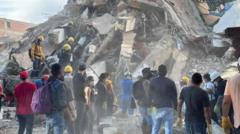
Colombia earthquake survivors remain the primary focus of emergency responders as the nation continues grappling with the aftermath of a catastrophic seismic event that has claimed approximately 180 lives. Search and rescue teams are working around the clock to locate individuals trapped beneath collapsed structures and heavily damaged buildings across multiple regions, representing one of the country's most severe natural disasters in recent years.
Ongoing Aftershocks Complicate Rescue Efforts
Tuesday brought a series of significant aftershocks across Colombian territory, creating additional challenges for emergency personnel engaged in recovery operations. The successive tremors have destabilized already-compromised buildings and infrastructure, forcing rescue teams to proceed with heightened caution and implement modified rescue protocols. Structural engineers continue assessing the stability of damaged structures to determine safe access points for rescue workers.
The earthquake rescue operations have mobilized personnel from multiple agencies and organizations, including military units, civil protection services, and specialized urban search and rescue teams. International assistance has also been offered by neighboring nations and international humanitarian organizations, recognizing the magnitude of the disaster.
Rescue Operations in Active Rubble Areas
In severely affected urban centers, rescue teams are employing advanced detection equipment and specially trained dogs to locate survivors buried in collapsed buildings. The recovery process remains time-sensitive, as the probability of finding living survivors decreases significantly with each passing day. Emergency shelters have been established throughout the affected regions to provide temporary housing for displaced persons and those who have lost their homes in the disaster.
Medical facilities throughout Colombia have been mobilized to treat injured survivors, with hospitals receiving a significant influx of patients requiring emergency care and trauma treatment. Healthcare providers are working extended shifts to address the overwhelming demand for medical services resulting from the earthquake's impact.
Infrastructure and Community Impact Assessment
Preliminary assessments indicate extensive damage to critical infrastructure, including roads, bridges, and utilities that are essential for rescue and recovery operations. Communication networks have been disrupted in certain areas, complicating coordination efforts and hampering the collection of accurate casualty information. Engineers and technical specialists are prioritizing the restoration of essential services to facilitate ongoing relief efforts.
The Colombia disaster relief efforts have activated emergency funding mechanisms and resource allocation protocols to support affected communities. Government authorities have declared a state of emergency in impacted regions, enabling expedited deployment of resources and suspension of normal regulatory procedures that might impede rescue operations.
Search and Rescue Coordination
Seismic emergency response teams continue refining their search strategies based on building collapse patterns and geological data. Advanced mapping technologies and drone surveillance are being utilized to identify priority search zones and assess accessibility to trapped individuals. The coordination between multiple rescue organizations has proven essential in maximizing coverage and ensuring efficient resource utilization.
International earthquake experts have arrived to assist with structural analysis and rescue planning, providing technical guidance on the most effective methods for accessing survivors in complex collapse scenarios. Their expertise has proven invaluable in navigating the unique challenges presented by the specific geological and architectural conditions in the affected regions.
Community Response and Resilience
Despite the devastating impact, communities across Colombia have demonstrated remarkable resilience and mutual support. Local residents are assisting rescue teams, providing information about missing persons, and helping coordinate relief distribution efforts. Volunteer organizations and community groups have mobilized to support vulnerable populations and distribute essential supplies.
Mental health services have been established to assist survivors and rescue workers dealing with trauma and psychological stress resulting from the disaster. Counseling resources and emotional support programs recognize the long-term psychological impacts of experiencing or witnessing such a catastrophic event.
Looking Forward: Recovery and Reconstruction
While immediate rescue operations continue, planning has begun for the long-term reconstruction and recovery process. Officials are documenting damage, assessing financial needs, and developing comprehensive recovery strategies to help affected regions rebuild. The earthquake rescue operations will gradually transition toward recovery efforts as the acute crisis phase concludes, focusing on rebuilding infrastructure, housing, and community services.
The Colombia earthquake survivors represent the heart of ongoing humanitarian efforts, with international attention and support helping to mobilize resources necessary for comprehensive disaster response and eventual full community recovery.


