Trump Dismisses US Weapons Shortage Claims While Targeting Information Leakers
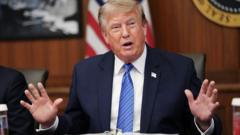
Trump Rejects Weapons Shortage Narrative
Former President Donald Trump has firmly rejected claims regarding a US weapons shortage, asserting that reports of insufficient armament stockpiles are inaccurate. During recent public remarks, Trump denied the existence of any significant US weapons shortage affecting military operations, contradicting concerns raised by defense analysts and government officials.
The former president's statement comes amid ongoing debates about the state of America's military capabilities and the sustainability of current defense spending patterns. While Trump emphasized the strength of the nation's arsenal, critics and military experts have pointed to publicly available data indicating potential vulnerabilities in weapons production and supply chains.
Classification and Public Information Disconnect
According to defense analysts, while precise and comprehensive data regarding US weapons stockpiles remains classified at the highest government levels, publicly available information tells a different story about military preparedness. Reports suggest that the United States has expended substantial quantities of highly specialized weapons systems that require extended manufacturing timelines and significant industrial capacity to produce.
The disconnect between classified assessments and public information creates challenges for transparent policy discussions regarding national defense. Military observers note that certain advanced weaponry categories have experienced notable depletion due to extensive operational commitments and technological evolution of threat environments.
Trump's Crackdown on Information Leakers
In his response to reports questioning weapons availability, Trump escalated his rhetoric against government officials allegedly responsible for disclosing sensitive defense information. The former president stated that those leaking classified or sensitive data are being actively "hunted down," signaling a hardline stance against unauthorized disclosure of government information.
Trump's commitment to identifying and prosecuting information leakers reflects broader concerns within national security circles about operational security and intelligence protection. The former leader has previously expressed strong opposition to leaks, viewing them as threats to military effectiveness and strategic advantage.
Manufacturing Capacity and Weapons Production
Defense experts emphasize that the difficulty in manufacturing certain weapons systems creates genuine challenges for rapid replenishment of depleted stockpiles. Advanced weaponry requires specialized factories, skilled workforce, rare materials, and sophisticated production techniques that cannot be quickly scaled up during emergencies.
The US weapons shortage concerns are not merely theoretical. Manufacturing timelines for precision munitions, advanced missiles, and specialized defense systems extend across months or years, meaning current production rates may not match consumption rates during extended military operations. Industrial base assessments indicate that some critical defense manufacturing capabilities operate at relatively limited capacity.
Political and Strategic Implications
Trump's denial of weapons shortage problems serves multiple political objectives. By rejecting concerns about military readiness, the former president maintains his narrative of strong national defense and effective military stewardship during his administration.
However, defense procurement specialists argue that acknowledging potential US weapons shortage realities would enable more strategic planning and investment in domestic manufacturing capacity. Some analysts suggest that transparent discussion about specific weapon system vulnerabilities could improve long-term military sustainability without compromising national security.
Moving Forward: Defense Policy Perspectives
The debate over whether a genuine US weapons shortage exists will likely persist as military commitments evolve globally. Policy decisions regarding investment in advanced manufacturing, industrial base resilience, and weapons production capacity will shape America's defensive capabilities for decades.
Whether classified assessments align with Trump's public statements remains unknown to the general public. What is clear is that the conversation about US military readiness, weapons availability, and information security will continue shaping national defense discussions throughout the political landscape.


