Child Safety Risks Found in London Tower Block Inquest
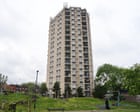
Tragic Fall Highlights Child Safety Measures Gaps
An official inquest has disclosed that significant child safety measures could have been implemented to prevent tragedy at a residential tower block in east London. The case centers on five-year-old Aalim Ahmed, an autistic child who fell from a 15th-floor kitchen window in May 2024. The inquiry has heard testimony that additional protective mechanisms might have averted this devastating incident.
Aalim Ahmed resided with his family in temporary social housing at a block in Plaistow when the fatal accident occurred. His father, Makail Ahmed, discovered the child's body early on the morning of May 16, 2024, shortly before 6am, following the fall from their top-floor flat. The family had previously requested to be relocated from the property due to concerns about its suitability for their circumstances.
Family's Relocation Requests and Housing Concerns
Court proceedings have revealed that Aalim Ahmed's family had made multiple attempts to secure a transfer away from the tower block residence. Their requests appear to have been motivated by safety apprehensions related to the accommodation's design and infrastructure. The inquest testimony suggests that housing authorities had been notified of the family's concerns prior to the fatal incident.
The specific vulnerabilities of the flat's design have become central to the inquest proceedings. The kitchen window through which the child fell lacked adequate protective measures that could have prevented access or limited the severity of such an accident. Expert witnesses have indicated that contemporary safety standards would typically mandate additional safeguarding mechanisms in properties housing families with young or vulnerable children.
Expert Analysis of Safety Standards
Specialists have testified that child safety measures in high-rise residential buildings should include multiple protective layers. Window restrictors, safety locks, and barriers specifically designed for families with autistic children could have significantly reduced risks. These installations are standard practice in many modern developments and represent relatively straightforward enhancements to existing infrastructure.
The inquest heard that Aalim Ahmed, being autistic, required specific environmental adaptations to ensure his wellbeing and security. His additional needs should have been factored into housing assessments and safety evaluations. The lack of appropriate accommodations for children with autism spectrum disorders raises questions about the adequacy of housing assessments and placement procedures.
Inquest Findings and Testimony
During the inquest proceedings, various experts and officials presented evidence regarding safety protocols and building standards. The court examined whether the residential block met minimum safety requirements for families with vulnerable members. Particular attention was given to window safety regulations and whether enhanced measures should have been mandatory given the child's age and condition.
Housing officials and building safety representatives provided testimony about standard procedures for temporary social housing placements. Their accounts revealed gaps between recommended best practices and actual implementation. The inquest has highlighted discrepancies between theoretical safety standards and practical application in residential properties.
Implications for Housing Safety Policy
This inquest has significant implications for housing safety standards and the treatment of families requiring temporary accommodation. It underscores the importance of comprehensive risk assessments, particularly when vulnerable children are involved. The case demonstrates that basic protective installations could prevent similar tragedies in the future.
Child safety measures must be prioritized in housing policy discussions. Local authorities and housing providers have a responsibility to implement appropriate safeguarding mechanisms, especially in high-rise residential properties. The testimony presented during this inquest suggests that current practices fall short of protecting vulnerable children adequately.
Conclusion and Future Considerations
The death of Aalim Ahmed represents a preventable tragedy that has prompted serious examination of safety procedures in residential housing. The inquest's findings underscore the critical need for enhanced child safety measures across tower blocks housing families with young children. Going forward, housing authorities must strengthen their assessment processes, prioritize family relocation requests, and ensure that all residential properties meet comprehensive safety standards designed to protect vulnerable residents from preventable accidents.