Feral Children: Why Kids Need Freedom to Explore
The Paradox of Modern Childhood
Adults consistently voice their desire for feral children to occupy more space in the world, to be heard and seen. Yet paradoxically, when young people finally claim that space and express themselves authentically, society demands silence. This contradiction lies at the heart of contemporary parenting debates and reflects deeper tensions about how we value childhood independence and self-expression.
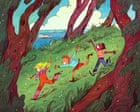
The concept of feral children—youngsters given freedom to explore, play, and navigate their environments with minimal adult supervision—has become increasingly controversial in developed nations. However, growing research suggests that this unstructured, autonomous play is crucial for healthy child development. Feral children, in this sense, are not neglected or unsupervised in a dangerous way, but rather allowed the kind of independence that previous generations took for granted.
Island Life and Coming of Age
On Peaks Island, a small Maine community accessible only by boat approximately three miles off Portland's coast, childhood transitions mark significant milestones in a child's life. The island maintains an elementary school serving local children, yet lacks secondary educational facilities. This geographic reality creates a natural rite of passage for island youth.
When students reach sixth grade, they board the 7:15am ferry each day to attend school on the mainland. This daily commute represents more than mere transportation; it symbolizes the boundary between sheltered island childhood and broader independence. For these young islanders, the ferry ride itself becomes a formative experience—a moment when they must navigate their own schedules, manage their belongings, and interact with peers in an adult-like manner.
Understanding Feral Children in Modern Context
The term