Unnecessary Breast Removals at NHS Trust: 20 Women Affected
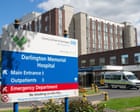
Preventable Harm in NHS Breast Cancer Treatment
A significant healthcare incident has emerged involving unnecessary breast removals at an NHS facility in north-east England. The County Durham and Darlington foundation trust (CDDFT) has acknowledged that twenty women underwent unnecessary breast removals while receiving cancer care at its specialized breast unit. This revelation represents a serious breach in patient safety protocols and has raised urgent questions about clinical governance within the organization.
The unnecessary breast removals occurred within a context of far broader patient harm. According to trust officials, the affected women represent only a portion of hundreds of patients who experienced complications or adverse outcomes during their treatment at the breast unit. This substantial number of affected individuals underscores the systemic nature of the difficulties that existed within the department.
Scale of the Healthcare Crisis
The implications of unnecessary breast removals extend beyond the individual cases identified. Hospital leaders confirmed to media outlets that the breast unit had failed multiple patients during a period when oversight mechanisms apparently did not function effectively. The trust's disclosure indicates that between multiple cases of inappropriate surgical interventions and other treatment-related complications, the department operated with significant deficiencies in quality assurance.
Mastectomy procedures represent major surgical interventions with profound physical and psychological consequences for patients. When such procedures occur without clinical justification, they constitute not only a medical error but a substantial violation of patient autonomy and trust. The women who underwent unnecessary breast removals must now contend with permanent bodily changes, potential complications from surgery, and the emotional trauma associated with learning their procedures were not medically necessary.
Investigation and Accountability Measures
The discovery of these unnecessary breast removals has prompted comprehensive reviews of the trust's practices and procedures. Healthcare regulators have begun examining the root causes of failures within the breast unit, focusing on how clinical decision-making processes became compromised and why multiple patients were not protected from harm. Investigations typically examine factors including staff training, supervision levels, diagnostic protocols, and the implementation of safety checks.
The trust has committed to implementing corrective measures aimed at preventing similar incidents. These remedial actions generally encompass enhanced clinical oversight, revised diagnostic procedures, improved multidisciplinary team communication, and additional training for medical staff. Such measures are intended to restore patient confidence and ensure that clinical decision-making aligns with evidence-based best practices.
Patient Support and Compensation
Patients harmed through unnecessary breast removals are entitled to pursue compensation through NHS resolution mechanisms and legal avenues. The trust has indicated its commitment to supporting affected women, though specific details regarding compensation frameworks and support services remain ongoing. Women who experienced unnecessary mastectomies require not only financial redress but also comprehensive support services, including reconstructive surgical options, psychological counseling, and long-term medical monitoring.
Medical negligence cases involving unnecessary breast removals typically result in substantial settlements, reflecting both the physical and psychological harm caused. Beyond financial compensation, affected patients require access to specialized services that can address both the medical consequences of inappropriate surgery and the emotional trauma associated with these errors.
Implications for NHS Governance
This incident at the County Durham and Darlington foundation trust raises broader questions about governance structures within NHS organizations. The scale of patient harm—encompassing not only the twenty unnecessary breast removals but hundreds of additional affected patients—suggests systemic failures in quality assurance mechanisms. Healthcare leaders and regulatory bodies are examining how similar failures might be prevented across other NHS facilities.
Patient safety frameworks depend on effective supervision, transparent reporting of adverse events, and responsive corrective actions. When these systems malfunction, vulnerable patients undergoing treatment for serious conditions like cancer face unacceptable risks. The trust's experience demonstrates the critical importance of maintaining rigorous oversight in specialized departments where complex clinical decisions directly impact patient outcomes.
Moving Forward
The County Durham and Darlington foundation trust faces the challenging task of rebuilding patient confidence and trust. This process requires demonstrable improvements in clinical safety practices, transparent communication with patients and the public, and genuine accountability for failures that occurred. For women who underwent unnecessary breast removals, recovery involves medical intervention, psychological support, and justice through appropriate compensation mechanisms.