UK's Driest Regions Face Water Crisis Before Heat Returns
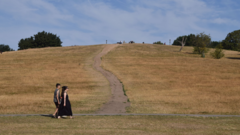
UK's Most Vulnerable Areas Brace for Intensifying Drought Crisis
The United Kingdom's most severely affected areas continue to grapple with an escalating UK drought crisis as forecasters predict insufficient precipitation before temperatures soar once again. Communities across Britain face mounting concerns regarding water availability and environmental sustainability as meteorological patterns suggest limited rainfall opportunities in the coming weeks.
The current situation represents a continuation of climatic challenges that have defined much of the recent season. Persistent dry conditions have left reservoirs depleted and groundwater levels significantly below normal thresholds. Agricultural regions, urban centers, and rural communities alike are experiencing the cumulative effects of prolonged moisture deficit.
Understanding the Meteorological Factors Behind Current Conditions
Atmospheric systems responsible for transporting moisture into British airspace have consistently diverted away from populated regions. This deviation from typical weather patterns has created an unusual scenario where precipitation events remain sparse and geographically dispersed. Meteorological experts have noted that prevailing pressure systems are maintaining this blocking pattern, limiting opportunities for substantial rainfall before the anticipated temperature surge arrives.
The absence of significant wet weather systems compounds existing challenges faced by water management authorities. Unlike previous years when spring and early summer months brought adequate moisture replenishment, current seasonal patterns have delivered substantially reduced accumulation. This departure from historical averages has intensified concerns regarding long-term water security and agricultural productivity.
Regional Impacts Across Britain's Drought-Affected Areas
Southern England, the Midlands, and portions of the southeastern regions face particularly acute challenges related to insufficient water resources. These areas, which typically depend on reliable precipitation cycles, are experiencing unprecedented strain on water infrastructure. Local authorities have implemented various conservation measures, including restrictions on non-essential water usage, garden irrigation limitations, and industrial water allocation adjustments.
Reservoir levels across affected regions have declined to concerning measurements, prompting water companies to escalate their conservation campaigns. Farmers operating in drought-stricken areas report reduced crop yields and increased reliance on supplementary irrigation systems, further straining available water supplies.
The Looming Heatwave: Compounding an Already Critical Situation
Forecasting models indicate that the anticipated next heatwave will arrive before meaningful precipitation provides relief. This timing creates a particularly challenging scenario, as higher temperatures will accelerate evaporation rates and increase overall water consumption across residential, commercial, and agricultural sectors. The convergence of heat stress and water scarcity presents multifaceted challenges for public health, environmental preservation, and economic stability.
During extended heat periods, demand for cooling and water-dependent services rises substantially. Gardens, parks, and landscaping require increased irrigation to prevent widespread vegetation loss. Municipal services face heightened pressure to maintain essential functions while operating under conservation constraints. Healthcare systems prepare for potential heat-related health emergencies that typically accompany prolonged high-temperature episodes.
Historical Context and Long-Term Seasonal Trends
The persistent dry pattern observed throughout recent months has established a troubling trend compared to historical rainfall averages. Summer months traditionally deliver moderate precipitation that replenishes water sources before autumn and winter months provide additional accumulation. The current deviation from this pattern reflects broader climatic shifts that water management authorities and environmental scientists continue to monitor closely.
Long-term data analysis reveals that rainfall deficits have become increasingly frequent, contributing to what many experts characterize as an emerging water security challenge. These evolving patterns necessitate adaptive management strategies and potentially significant infrastructure investments to ensure reliable water availability during future periods of climatic stress.
Water Authority Response and Conservation Measures
Regional water companies have implemented escalated conservation protocols designed to preserve available resources during the critical period preceding the heatwave. Public campaigns encourage household water conservation through behavioral modifications, fixture upgrades, and awareness initiatives. Commercial and industrial users face allocation restrictions intended to prioritize domestic supplies and essential services.
Investment in water storage infrastructure, leak detection programs, and supply network optimization represents a longer-term strategy to build resilience against recurring drought conditions. These initiatives require substantial capital deployment and infrastructure modernization across multiple regional jurisdictions.
Looking Forward: Preparedness and Adaptive Strategies
As communities await the next weather system capable of delivering meaningful precipitation, preparedness measures remain paramount. Contingency planning addresses potential scenarios where the anticipated heatwave arrives with water supplies already strained to critical thresholds. Emergency response protocols have been refined to ensure vulnerable populations receive necessary support during periods of heat stress and resource constraint.
The intersection of the UK drought crisis with imminent heat stress underscores the importance of forward-looking water management strategies and climate adaptation initiatives. Communities, authorities, and environmental stewards continue developing comprehensive approaches to ensure long-term water security and societal resilience in an era of increasingly variable weather patterns.


