Ukraine's Strikes Force Fuel Rationing in Crimea
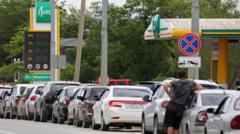
Fuel Rationing Intensifies in Occupied Crimea
Fuel rationing in Crimea has reached critical levels as Ukrainian military operations continue to target critical energy infrastructure across Russian-occupied territories. The ongoing campaign against supply routes has created unprecedented shortages, compelling authorities to implement strict allocation measures for civilian and commercial consumption.
Impact on Regional Supply Networks
The fuel situation in Crimea deteriorated significantly following coordinated strikes on transportation corridors and distribution hubs. Ukrainian forces have systematically targeted logistics networks that connect Russian-occupied territories to regional fuel suppliers. These operations have effectively severed several key supply routes, preventing regular fuel deliveries from reaching civilian populations and essential services.
Prior to the complete suspension of fuel sales, rationing protocols were already in effect. Residents and businesses faced substantial limitations on fuel purchases due to chronic shortages. The restrictions demonstrated the vulnerability of supply chains dependent on routes through contested areas, where infrastructure remained exposed to military action.
Consequences for Civilian Population
The fuel crisis has created widespread difficulties for ordinary citizens in occupied territories. Families struggle to heat homes, power vehicles, and maintain basic services. Medical facilities, water treatment plants, and emergency services face operational challenges due to inadequate fuel supplies. Small businesses dependent on fuel for operations have curtailed activities or ceased operations entirely.
Long queues at remaining fuel distribution points have become commonplace. Authorities implement strict rationing schedules, limiting purchases to essential workers and critical infrastructure providers. Residents report paying premium prices on black markets for fuel, reflecting the acute scarcity affecting the region.
Strategic Military Operations
Ukrainian military strategy has focused on disrupting logistics networks supporting Russian-occupied territories. By targeting fuel supply infrastructure, Ukrainian forces aim to degrade operational capabilities of occupation forces while creating humanitarian pressure within occupied zones. These operations represent part of a broader campaign to undermine the sustainability of Russian control over captured regions.
Regional Energy Infrastructure Under Siege
Oil refining facilities and distribution centers in Russian-occupied Crimea have become primary targets. The peninsula's energy infrastructure, previously designed to support a much larger population, faces constant pressure from military operations. Repair efforts struggle to keep pace with damage inflicted by drone strikes and long-range weapon systems.
Supply routes from mainland Russia face similar vulnerabilities. Transportation networks crossing bridge infrastructure and corridor passages remain exposed to Ukrainian military action. Authorities attempt to establish alternative supply mechanisms, but logistical constraints limit effectiveness of workarounds.
Long-Term Stability Concerns
The fuel rationing in Crimea reflects broader questions about the sustainability of Russian occupation. As supply disruptions worsen, maintaining basic services becomes increasingly difficult. The regional economy contracts as fuel shortages force business closures and reduce commercial activity. These conditions contribute to growing civilian discontent with occupation authorities.
International observers note that fuel shortages represent a tangible impact of military operations on civilian populations. Humanitarian agencies monitor the situation closely, though access to occupied territories remains severely restricted. Reports from humanitarian organizations document increasing hardship as energy resources grow scarcer.
Future Outlook
The fuel crisis in occupied Crimea appears unlikely to resolve without significant changes in military dynamics or political developments. Ukrainian operations continue targeting supply infrastructure, while Russian authorities struggle to establish alternative distribution networks. The fuel rationing situation demonstrates how military strategies focused on logistics can create humanitarian consequences affecting civilian populations in contested territories.


