Trump's New Tariffs Spark Trade War as Carney Calls Move a 'Miscalculation'
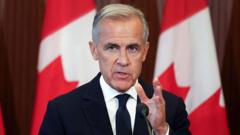
Trump's Fresh Tariffs Ignite International Trade Tensions
Trump's new tariffs have become a central point of contention in ongoing trade disputes, with Canadian leadership responding swiftly to what they characterize as an economically damaging decision. The implementation of these duties marks a significant escalation in bilateral trade relations, particularly following the breakdown of diplomatic negotiations between the two nations.
Canada's prime minister has publicly denounced Trump's tariff strategy, describing it as a fundamental miscalculation that threatens the stability of North American commerce. The statement comes amid growing concerns that Trump's approach may trigger a broader economic confrontation rather than achieve the intended policy objectives.
Canada's Reluctant Retaliation Response
In response to Trump's tariff announcements, Canadian officials have outlined retaliatory measures aimed at protecting domestic industries and workers. The prime minister expressed reluctance about implementing these countermeasures, emphasizing that Canada would have preferred to resolve differences through constructive dialogue.
The Canadian government's position reflects frustration with what officials describe as unilateral action that circumvents established trade frameworks. By announcing retaliatory tariffs, Canada signals its determination to defend its economic interests while maintaining that the underlying dispute stems from Trump's aggressive trade posture.
Trade Talks Collapse and Diplomatic Breakdown
The collapse of recent trade negotiations represents a critical juncture in US-Canada relations. Both parties had engaged in discussions aimed at resolving longstanding trade grievances, but negotiations failed to produce agreements that would satisfy each side's economic demands.
Sources indicate that the talks broke down over fundamental disagreements regarding tariff levels, market access, and dispute resolution mechanisms. The failure to reach consensus suggests that both nations remain far apart on key issues, with Trump's subsequent tariff announcement serving as a dramatic punctuation point to the unsuccessful diplomatic process.
Broader Implications of Trump's Trade Strategy
Analysts warn that Trump's tariff decisions could have far-reaching consequences extending beyond US-Canada trade relations. The escalation may influence negotiations with other trading partners and set precedents for how international commerce disputes are addressed in coming years.
Economic experts note that Trump's approach represents a departure from traditional trade diplomacy, favoring unilateral action over multilateral negotiation. This strategy raises questions about the future of established trade agreements and the viability of cooperative economic frameworks between traditionally aligned nations.
Impact on Business and Workers
Industries reliant on cross-border commerce face immediate uncertainty due to Trump's tariffs and subsequent Canadian retaliation. Small and medium-sized enterprises that depend on integrated supply chains with Canadian partners report growing concerns about increased operational costs and market access complications.
Labor representatives have expressed alarm about potential job losses in sectors vulnerable to tariff impacts. Both manufacturing and agricultural communities await clarity on how retaliatory measures will specifically affect their operations and competitiveness in regional markets.
Government and Political Response
Canadian political leadership has united in opposition to what they characterize as Trump's trade war initiation. Parliamentary statements indicate broad consensus that retaliatory tariffs represent necessary protective measures, though policymakers prefer diplomatic resolution to escalating commercial tensions.
The prime minister's characterization of Trump's decision as a miscalculation reflects official Canadian assessment that economic harm will outweigh any benefits Trump's administration anticipates from the tariff strategy. This critical stance suggests limited likelihood of rapid de-escalation without significant policy adjustments from the Trump administration.
Future Trade Relations and Negotiations
Uncertainty now surrounds the timeline for resuming serious trade negotiations. While both nations have signaled willingness to engage in future discussions, the current hostile environment makes productive dialogue challenging in the immediate term.
International trade observers speculate that resolution may require face-to-face engagement at higher governmental levels or intervention by diplomatic intermediaries. The current trajectory, however, suggests that Trump's tariffs have created obstacles that will require substantial effort to overcome through renewed negotiation efforts.


