Tapper, Stefanik spar over Trump's 'whole civilization will die' message to Iran

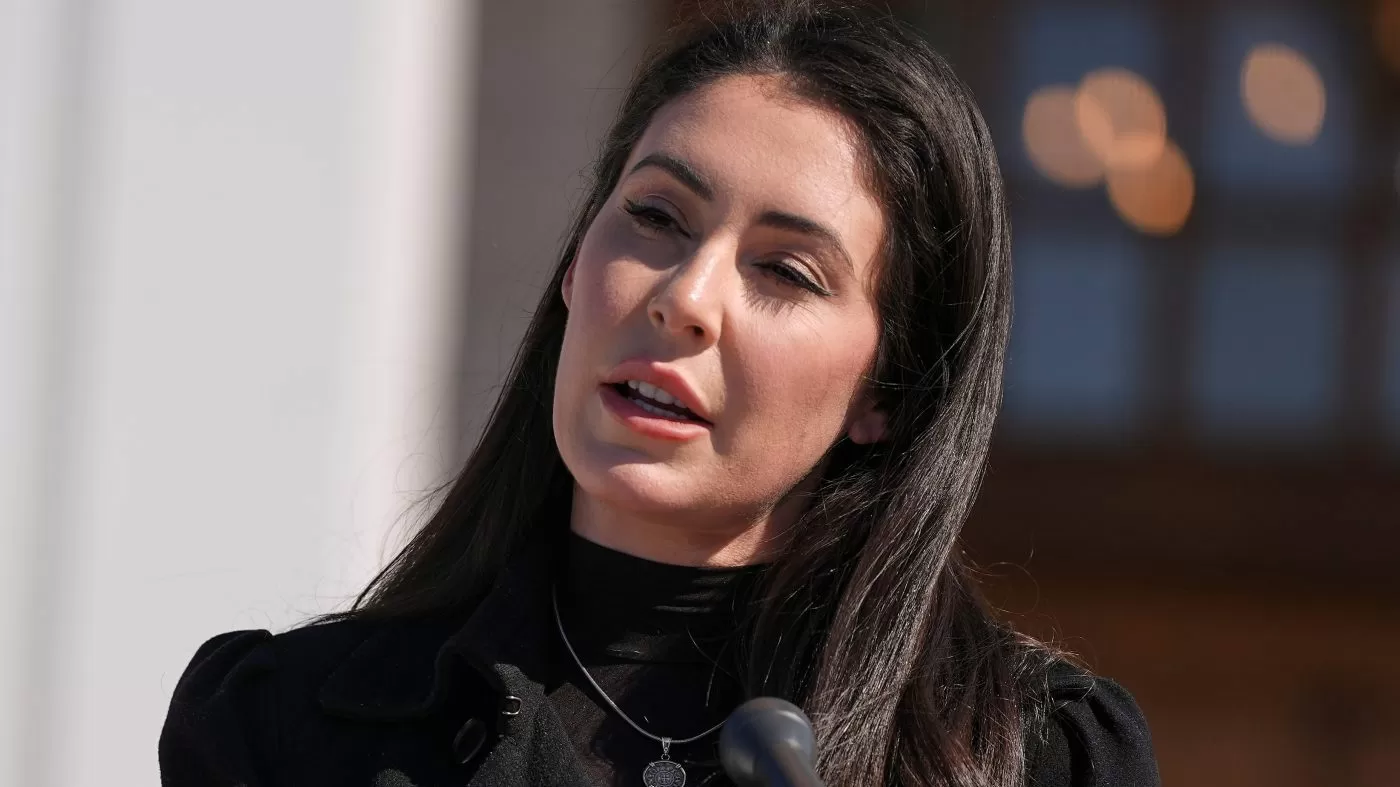
CNN anchor Jake Tapper and Rep. Elise Stefanik (R-N.Y.) had a heated exchange on Sunday's episode of "State of the Union" as they discussed President Trump's recent comments about Iran. Tapper referenced a controversial chant used by some college students during protests against the Israel-Hamas war, which sparked a debate about the impact of rhetoric on global conflicts.
The discussion began with Tapper asking Stefanik about Trump's statement that a "whole civilization will die" in Iran if the country continues to pursue nuclear weapons. Stefanik responded by saying that Trump's tough stance on Iran is necessary to prevent them from obtaining nuclear weapons and destabilizing the region.
However, Tapper then brought up the chant "From the river to the sea," which has been used by some college students during protests against the Israel-Hamas war. The chant has been criticized for promoting violence and anti-Semitism, and Tapper asked Stefanik if she believes this type of rhetoric contributes to the ongoing conflict in the Middle East.
Stefanik defended the students' right to free speech but also condemned the chant, stating that it is "deeply offensive" and "not productive." She also emphasized the importance of supporting Israel as a key ally in the region.
Tapper pushed back, pointing out that Trump's rhetoric about Iran could also be seen as offensive and potentially escalate tensions. He also noted that Trump's comments have been met with criticism from both Democrats and Republicans.
Stefanik maintained that Trump's strong stance on Iran is necessary and that his words are not equivalent to the offensive chant used by some college students. She also highlighted the fact that Trump has taken action to impose sanctions on Iran and withdraw from the Iran nuclear deal.
The exchange between Tapper and Stefanik highlights the ongoing debate about the impact of rhetoric on global conflicts. While some argue that strong language and tough stances are necessary to prevent aggression from countries like Iran, others believe that this type of rhetoric can escalate tensions and lead to further conflict.
It is important for leaders and public figures to carefully consider their words and the potential impact they may have on international relations. In a world where tensions are high and conflicts are ongoing, it is crucial to promote peace and understanding rather than inciting violence and division.
As for the "From the river to the sea" chant, it is imperative for individuals to educate themselves on the history and context of such phrases before using them in protests or demonstrations. It is also the responsibility of leaders to condemn and discourage language that promotes violence and discrimination.
In the end, the discussion between Tapper and Stefanik serves as a reminder of the power of words and the need for responsible and thoughtful communication in a complex and interconnected world. It is only through open and respectful dialogue that we can hope to find solutions to global conflicts and work towards a more peaceful future.