Royal Navy Faces Critical Resource Gaps Against Russian Threats
Parliamentary Warning on Naval Capabilities
Members of Parliament serving on the defence select committee have raised serious concerns about the Royal Navy resources Russian threat poses to national security. The committee's findings highlight significant gaps in the nation's capacity to effectively deter potential Russian aggression in the high north region beyond UK territorial waters.
Defence officials and MPs alike emphasize that the Royal Navy resources Russian threat mitigation requires urgent attention. The parliamentary inquiry revealed that current force structures are insufficient for addressing emerging security challenges in the Arctic and surrounding waters, where geopolitical tensions continue to escalate.
Submarine and Warship Shortfalls
The defence select committee's investigation identified critical deficiencies in naval assets. The committee specifically noted a concerning pattern regarding the availability of attack submarines, with reports indicating that all five Astute-class vessels underwent simultaneous docking procedures during summer months. This scenario left the nation without deployable attack submarine capacity during a strategically sensitive period.
Beyond submarine limitations, the committee documented declining numbers of operational frigates within the Royal Navy fleet. This reduction compounds concerns about the navy's ability to maintain presence and deterrence across multiple operational areas simultaneously. The availability crisis extends to other surface combatants, which face extended maintenance cycles and limited operational readiness windows.
HMS Dragon Deployment as Case Study
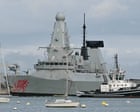
The delayed deployment of HMS Dragon to Cyprus this spring served as a concrete example of the resource constraints plaguing the service. The slow progression of this routine deployment operation illustrated wider systemic problems affecting naval operations. Extended timelines for standard deployments suggest underlying issues with crew availability, maintenance backlogs, and logistical support systems.
Such delays have real strategic implications. When capital ships require extended periods to reach deployment positions, operational commanders lose flexibility in responding to emerging crises or maintaining continuous presence in critical regions. This degraded capability creates windows of vulnerability that potential adversaries may exploit.
Arctic Security and Russian Activities
The high north region has emerged as a critical zone for strategic competition between Western powers and Russia. Increased Russian military activity in the Arctic, including submarine operations and surface fleet expansion, necessitates credible Western naval presence and demonstrated deterrence capability.
Parliamentary concern focuses on whether current Royal Navy resources Russian threat assessment can adequately address this evolving situation. The committee warned that without substantial improvements, Britain risks losing the ability to effectively discourage Russian adventurism in contested waters. This deterioration would have profound consequences for NATO solidarity and regional stability.
Timeline for Dramatic Progress
The defence select committee emphasized that dramatic progress must occur by the end of the current decade. This timeline reflects recognition that the strategic window for corrective action remains open but is narrowing. Beyond this period, the committee suggests that capability gaps could become institutionalized and significantly more difficult to reverse.
Achieving the necessary improvements requires multifaceted approaches including accelerated submarine construction programs, increased frigate procurement, enhanced maintenance infrastructure, and expanded crew training capacity. Each element demands substantial financial investment and long-term commitment from government.
Broader Defence Implications
The submarine and warship shortage raises questions about resource allocation across the entire defence portfolio. Prioritization decisions made today will shape military capabilities for decades to come, given the extended service lives of capital ships and the long development timelines for new vessels.
Parliamentary members stressed that addressing Royal Navy resource deficiencies cannot occur in isolation. The committee called for comprehensive defence spending review that acknowledges the specific requirements of maritime operations in a strategically contested environment. Current budget constraints limit the navy's ability to simultaneously maintain existing platforms while developing replacement vessels.
Strategic Consequences of Inaction
Failure to act decisively risks undermining Britain's standing as a credible maritime power. NATO allies depend on UK naval contributions to collective security arrangements, particularly in northern European waters. Visible capability shortfalls could prompt questions about commitment levels and force Britain to rely increasingly on allied assets rather than contributing independently.
The committee's warning represents more than bureaucratic concern about organizational efficiency. It reflects genuine anxiety about Britain's capacity to protect national interests and fulfil alliance obligations during a period of strategic instability. Without intervention, the Royal Navy resources Russian threat scenario could deteriorate from manageable challenge to structural crisis.
Path Forward
The defence select committee has laid out clear expectations for dramatic improvement. Government response to these parliamentary findings will signal whether leadership recognizes the urgency of the situation. Sustained commitment to naval modernization, combined with realistic budget allocations and strategic patience, remains essential for rebuilding deterrent capacity and securing the high north for the next generation.