Masculinity Unveiled: Tom Cruise and Michael B Jordan Redefine Modern Manhood on Magazine Covers
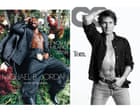
Redefining Masculinity Through High-Profile Magazine Features
The concept of masculinity magazine covers has taken center stage as two prominent Hollywood figures simultaneously grace the pages of prestigious publications. Tom Cruise and Michael B Jordan, both renowned action stars with decades of box-office success, have become focal points in an ongoing cultural conversation about what it truly means to be masculine in today's society. These concurrent magazine placements offer a fascinating lens through which to examine how contemporary media portrays and celebrates male identity.
In an era where discussions about gender roles and masculine expression dominate public discourse, the appearance of these two actors on major magazine covers speaks volumes about shifting cultural attitudes. The timing of these features coincides with an unprecedented surge in media coverage dedicated to exploring masculinity, its various expressions, and its relevance in modern society. Both Cruise and Jordan represent different generations of Hollywood stardom, yet their magazine moments reveal surprising convergences in how celebrity masculinity is being packaged and consumed by audiences worldwide.
Tom Cruise's Return to GQ After Two Decades
At 64 years old, Tom Cruise makes his long-awaited return to the pages of GQ magazine, marking his first appearance on their cover in two decades. The photoshoot presents Cruise in a distinctly stylized manner, deliberately crafted to showcase a particular interpretation of masculine appeal. Photographed in an unbuttoned shirt with carefully tousled hair, one hand positioned through his locks while the other rests confidently at his belt buckle, Cruise embodies what could be described as the epitome of curated sensuality. This aesthetic choice demonstrates how even established Hollywood figures strategically present themselves to align with contemporary notions of attractiveness and masculine desirability.
The significance of Cruise's GQ cover extends beyond mere visual aesthetics. After a 20-year absence from the magazine's cover, his return represents a deliberate editorial decision to reposition this veteran actor within current cultural conversations. The styling choices, lighting, and composition all work in concert to present Cruise not simply as an action hero or leading man, but as a subject worthy of introspection regarding masculinity itself. The magazine's decision to feature him signals recognition of his continued relevance and cultural significance, while simultaneously inviting readers to reconsider what masculine excellence looks like across different life stages.
Michael B Jordan's Vogue Appearance and Broader Implications
Meanwhile, Michael B Jordan's simultaneous appearance on magazine covers represents another crucial data point in understanding contemporary masculinity discourse. The inclusion of prominent male celebrities in fashion-forward publications like Vogue demonstrates a fundamental shift in editorial priorities and audience expectations. Where traditionally such magazines reserved their most prominent real estate for female celebrities, the increasing prominence of male figures suggests expanding boundaries around who gets to occupy spaces of beauty, style, and cultural authority.
The juxtaposition of these two actors—different ages, different career trajectories, yet both commanding significant magazine coverage—illustrates the multifaceted nature of modern masculinity. Jordan's presence in lifestyle and fashion spaces where male representation was once minimal reflects broader societal changes in how masculinity is understood, celebrated, and commercialized. This represents not merely a superficial trend but a deeper reconfiguration of what magazines determine to be culturally relevant and commercially valuable.
The Intersection of Celebrity Culture and Masculine Representation
Both Cruise and Jordan share remarkable similarities beyond their magazine moment. As box-office powerhouses, they have built careers upon performing death-defying stunts and embodying action hero archetypes. Yet these traditional markers of masculine performance—physical prowess, risk-taking, heroic action—increasingly coexist with new modes of masculine presentation. The magazine covers suggest that contemporary celebrity masculinity encompasses both the traditionally heroic and the aesthetically curated, the physically powerful and the visually refined.
This evolution in masculine representation through media has not emerged in a vacuum. The increased prominence of discussions surrounding gender, identity, and masculine expression in mainstream discourse has directly influenced how magazines approach male celebrity coverage. Editorial teams now actively seek to explore masculinity as a complex, multifaceted concept rather than a monolithic ideal. The placement of major stars on covers specifically designed to examine masculine themes represents this intentional shift in cultural priorities and media strategy.
Magazine Covers as Cultural Documents
Magazine covers function as more than promotional tools; they serve as cultural documents that capture prevailing attitudes, anxieties, and aspirations of their moment. The simultaneous appearance of Cruise and Jordan on major publications' covers during a period of heightened cultural discussion about masculinity cannot be coincidental. Rather, these editorial decisions reflect calculated responses to audience interest and broader societal preoccupations with understanding how masculinity functions and evolves.
The styling, photography, and positioning choices made for these covers communicate sophisticated messages about contemporary masculine ideals. Through every visual decision—from fabric choices to photographic angles to accompanying editorial copy—magazines craft specific narratives about what masculinity should represent. Readers, in turn, consume these images and narratives, incorporating them into their own understandings of masculine identity and aspiration.
Conclusion: Evolving Conversations About Manhood
The magazine covers featuring Tom Cruise and Michael B Jordan arrive at a particularly significant moment in cultural discourse. As headlines increasingly feature discussions about masculinity, gender roles, and identity, these visual representations offer tangible examples of how celebrity culture both reflects and shapes societal understanding. The fact that two major publications chose to feature established male stars during a period of heightened cultural conversation suggests recognition of audience demand for nuanced, complex explorations of what manhood means in contemporary society. These magazine moments, therefore, extend far beyond simple promotional vehicles—they represent ongoing cultural negotiations about masculine identity in the modern world.