Infantino at Crossroads: UEFA's World Cup Boycott Threat Reshapes Football
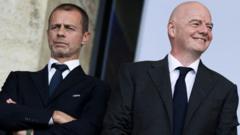
Infantino World Cup Boycott Crisis: A Turning Point for Football Governance
The football world faces unprecedented turbulence following UEFA's dramatic threat to boycott the World Cup and Concacaf's rejection of Gianni Infantino's controversial funding proposal. This Infantino World Cup boycott situation marks one of the most serious confrontations between continental confederations and FIFA leadership in recent memory, raising fundamental questions about the future direction of global football administration.
Over the past 48 hours, a sequence of dramatic developments has unfolded that could fundamentally alter the landscape of international football. The stakes are exceptionally high, with implications extending far beyond typical bureaucratic disputes. These events represent a watershed moment that forces stakeholders to reconsider their relationship with FIFA's current leadership structure and governance model.
UEFA's Historic Boycott Threat
European football's governing body took the extraordinary step of signaling a potential World Cup boycott, an action rarely seen at this level of international sport. This represents UEFA's strongest response yet to what member nations perceive as inequitable treatment and inadequate consultation on FIFA's financial redistribution plans.
The confederation's stance reflects growing frustration among European nations regarding their voice in FIFA's decision-making processes. UEFA members have expressed concerns that their financial contributions and competitive standards are not sufficiently recognized in FIFA's broader structural reforms. This tension between wealthy confederations and FIFA's centralized authority has been building for years, but the recent funding proposal appears to have crystallized underlying grievances into concrete action.
Concacaf's Rejection of Infantino's Funding Plan
Adding significant pressure to FIFA's president, Concacaf officially rejected Gianni Infantino's latest funding initiative. This rejection from the North and Central American confederation demonstrates that opposition to the current leadership's approach extends across multiple continents and regional organizations.
The funding plan in question represented Infantino's attempt to redistribute FIFA's resources in ways he believed would strengthen football development globally. However, member confederations viewed the proposal as inadequately addressing their specific needs and concerns. Concacaf's rejection signals that Infantino's vision for FIFA's financial future lacks sufficient consensus among continental bodies.
The Broader Implications for FIFA Leadership
Questions about Gianni Infantino's political survival have intensified dramatically. While FIFA presidents have faced criticism before, simultaneously confronting boycott threats from UEFA and funding rejections from Concacaf creates an exceptionally precarious position. The combination of these challenges raises legitimate questions about whether Infantino can maintain sufficient support to continue leading world football's governing body.
Infantino's presidency has been marked by ambitious initiatives aimed at modernizing FIFA, including expanded World Cup formats and increased financial investments in developing nations. However, these reforms have generated significant controversy, with critics arguing they prioritize expansion over tradition and equity. The current crisis suggests that his attempts to reshape football's financial architecture without building broader consensus have backfired politically.
What Happens Next?
The immediate timeline remains uncertain. UEFA is expected to pursue formal negotiations with FIFA to address its concerns before any World Cup boycott becomes reality. These discussions will likely focus on governance reforms, financial redistribution models, and enhanced consultation mechanisms for confederation decision-making.
Concacaf's next moves will prove equally important. As the second-largest confederation by member count, its position could influence other regional bodies. If additional confederations align with Concacaf's rejection of current FIFA policies, the pressure on Infantino's leadership intensifies exponentially.
Behind-the-scenes diplomacy will be critical in the coming weeks. FIFA's executive committee and confederation leaders will likely engage in intensive negotiations aimed at finding compromise solutions. The viability of current governance structures depends on restoring sufficient consensus among continental bodies.
The Future of Football Governance
This crisis transcends individual personalities or temporary disputes. It represents a fundamental question about how international football should be governed and who should have decision-making authority. The Infantino World Cup boycott threat and related conflicts highlight structural tensions that have accumulated within FIFA over decades.
Whether current leadership can navigate these challenges successfully or whether deeper institutional reforms become necessary remains to be determined. What is certain is that football's governing bodies face a critical juncture that will shape the sport's administration for years to come.


