Infantino Apologizes for Investment Errors While Retaining FIFA Presidency
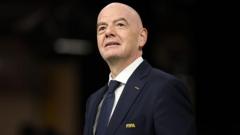
Infantino Maintains FIFA Presidency Despite Investment Controversy
Gianni Infantino has secured his continued position as FIFA president following a critical endorsement from the organization's senior leadership team. The FIFA president, who faced significant scrutiny over his private investment initiatives, has issued a formal statement acknowledging mistakes while simultaneously reaffirming his commitment to leading world football's governing body into the future.
Official Apology for Investment Plan Errors
In a move aimed at addressing widespread concerns within FIFA's executive circles, the FIFA president expressed sincere regret for the missteps associated with his controversial investment proposals. Infantino's acknowledgment of these errors represents an attempt to reconcile with stakeholders who questioned the transparency and appropriateness of his financial ventures outside his official duties.
The investment plans in question had generated considerable debate among FIFA members and observers, with critics raising concerns about potential conflicts of interest and governance standards. By offering his apology, Infantino sought to demonstrate accountability while maintaining that his overall leadership direction remains sound and beneficial for the organization.
Support from Senior FIFA Executives
The backing of FIFA's senior executives proved instrumental in securing Infantino's continuation as president. Rather than face a formal challenge or recall process, the FIFA president benefited from internal support among key decision-makers who apparently view his tenure favorably despite the investment controversy.
This executive endorsement suggests that while Infantino's investment decisions were questioned, the majority of senior leadership believes his broader vision for FIFA—which includes expanded tournament formats, increased revenue generation, and enhanced organizational modernization—outweighs concerns about his personal financial activities.
Broader Context of FIFA Leadership
The situation reflects ongoing tensions within FIFA between advancing the organization's commercial and structural goals while maintaining rigorous governance standards. As FIFA president, Infantino has championed numerous initiatives designed to strengthen the body's financial position and international influence, though some proposals have generated internal debate.
His continued tenure suggests that FIFA's executive structure prioritizes institutional continuity and Infantino's strategic vision over demands for immediate leadership changes. The organization appears committed to moving forward with its current president at the helm, albeit with heightened scrutiny of future financial decisions and investment proposals.
Implications for FIFA's Future Direction
With his position secured, the FIFA president can now refocus on implementing his planned agenda for world football. This includes ongoing discussions about expanded Club World Cup formats, potential modifications to traditional competition schedules, and continued efforts to generate additional revenue streams for FIFA and its member federations.
The resolution of this controversy may also set important precedents regarding how FIFA addresses internal governance challenges going forward. By accepting Infantino's apology while maintaining his leadership position, the organization demonstrates a preference for internal resolution mechanisms rather than dramatic institutional upheaval.
Looking ahead, observers will likely monitor whether Infantino implements structural changes to address the governance concerns raised during this controversy. The FIFA president's continued leadership provides an opportunity for demonstrating genuine reform in how investment decisions are made and overseen within the world's premier football governing body.


