Harry Brook Shows Promise Like Gower and Pietersen Yet Lacks Captaincy Readiness
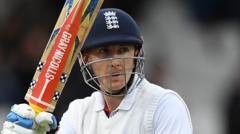
Harry Brook's Exceptional Talent Recognized by Cricket Experts
England's rising batting sensation Harry Brook continues to demonstrate remarkable skill and potential that places him among the most gifted cricketers of his generation, though Brook remains unprepared for the responsibilities of Test captaincy according to seasoned cricket commentator Jonathan Agnew. The Yorkshire-based batsman has drawn comparisons to cricket legends David Gower and Kevin Pietersen for his natural ability and stroke-making prowess, yet Agnew emphasizes that captaincy demands extend far beyond individual batting excellence.
The Headingley Innings: A Blueprint for Success
Brook's performance at Headingley served as a masterclass in modern batting technique, providing valuable lessons for his future development. The innings demonstrated technical proficiency, mental resilience, and cricket intelligence that will prove essential as Brook continues his international career. Agnew suggests that this particular knock should serve as the template for how Brook approaches his batting challenges moving forward, emphasizing consistency, shot selection, and situational awareness.
Comparing Brook to Cricket Legends
The parallels drawn between Brook and previous England stars Gower and Pietersen highlight the exceptional quality within his game. Like these distinguished predecessors, Brook possesses natural flair, technical soundness, and an ability to construct innings with both aggression and discipline. However, the comparison also illustrates that talent alone does not guarantee readiness for leadership positions. Both Gower and Pietersen brought distinct captaincy experiences, though their tenures as Test captains proved complex and occasionally contentious.
Captaincy Requirements Beyond Individual Talent
The role of Test captain encompasses responsibilities far exceeding batting excellence. Leadership demands include strategic decision-making, player management, team coordination, and the mental fortitude to maintain composure under intense pressure. Agnew's assessment recognizes that while Brook possesses extraordinary batting credentials, the additional burden of captaincy at this stage of his career could compromise his development as a batsman. Many cricket analysts concur that premature elevation to leadership roles has historically hindered rather than enhanced certain players' performances.
Development Pathway for Young Talent
Brook's continued focus on refining his batting technique and accumulating Test experience represents the most prudent path forward. The twenty-something batsman has ample opportunity to mature as a cricketer, develop match awareness, and strengthen his understanding of various playing conditions across different continents. Rather than pursuing captaincy responsibilities immediately, concentrating on personal excellence allows Brook to build the comprehensive experience base that ultimately defines truly great cricketers.
Future Prospects and Career Trajectory
England's selection of Brook reflects the country's strategic commitment to nurturing young talent through extended opportunities at the highest level. His presence in the Test squad provides the platform necessary for gradual development and increasing responsibility. Whether captaincy becomes part of Brook's future remains speculative; what seems certain is that his batting talent warrants sustained investment and patience from selectors and support staff.
Conclusion
Jonathan Agnew's perspective emphasizes that exceptional individual talent and readiness for captaincy represent distinctly different attributes. Harry Brook's performances, particularly at Headingley, validate his potential as a significant England batsman. The Headingley innings provides the foundation upon which Brook should build his international career, prioritizing batting development while gradually accumulating the experience that might eventually justify captaincy consideration in years to come.


