Funeral Director Sentenced to 20 Years for Failing to Bury Bodies
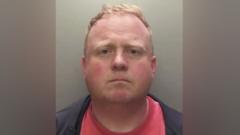
Funeral Director Receives 20-Year Prison Sentence for Body Mishandling
A prominent funeral director has been sentenced to two decades in prison following a shocking investigation that revealed he systematically failed to bury bodies and mishandled cremation services. The case has sent shockwaves through the funeral industry and raised serious questions about oversight and accountability in death care services.
The Scope of the Criminal Scheme
The criminal activities uncovered by authorities demonstrate an extensive pattern of negligence and fraud affecting numerous grieving families. Robert Bush, the operator of the funeral home, repeatedly failed to fulfill his fundamental responsibility to properly lay deceased individuals to rest. Families who entrusted him with their loved ones discovered that bodies remained unburied for extended periods, causing immeasurable emotional trauma.
Beyond the failure to bury bodies, the investigation revealed that Bush engaged in cremation fraud on a significant scale. Rather than cremating the correct individuals, he provided bereaved relatives with the ashes of strangers. This deception compounded the anguish of families already suffering from loss, as they unknowingly honored and memorialized the wrong deceased persons.
Impact on Grieving Families
The consequences of these actions extended far beyond administrative failures. Families made difficult decisions about cremation services, funeral arrangements, and memorial celebrations based on the assumption that their loved ones were being treated with dignity and respect. Instead, they received ashes belonging to complete strangers, discovering the truth only during subsequent investigations.
The bereaved relatives faced not only the original grief of losing family members but also the profound betrayal of discovering that the funeral director had violated their trust in the most fundamental way. Many families had to confront the reality that their memorial services and final farewells were conducted under false pretenses.
Investigation and Criminal Charges
Authorities launched a comprehensive investigation after receiving complaints from multiple families about irregularities in cremation documentation and burial records. The investigation uncovered that Bush's negligence was not accidental but part of a systematic pattern of mismanagement and deliberate deception.
The evidence presented during the trial demonstrated that the funeral director maintained falsified records, failed to properly document cremations, and deliberately misidentified remains to conceal his negligence. These actions violated basic industry standards and legal requirements governing funeral homes and cremation facilities.
Legal Consequences and Sentencing
The court found Bush guilty of multiple charges related to his operation of the funeral home and his treatment of deceased individuals and their families. The 20-year prison sentence reflects the severity of his crimes and the court's determination to hold him accountable for the extensive harm caused.
Legal experts suggest the sentence sends a strong message to the funeral industry about the importance of maintaining ethical standards and proper procedures. Funeral directors occupy a position of trust during families' most vulnerable moments, and violations of that trust carry serious legal and professional consequences.
Broader Implications for the Funeral Industry
This case has prompted renewed scrutiny of funeral home operations and cremation facilities across the country. Regulatory agencies are examining whether current oversight mechanisms are sufficient to prevent similar abuses. Industry organizations have called for enhanced training, stricter record-keeping requirements, and more frequent inspections of funeral homes and cremation facilities.
The incident highlights the need for families to thoroughly vet funeral service providers and maintain detailed records of arrangements and documentation. Many states are now considering legislative reforms to strengthen protections for consumers of funeral services.
Moving Forward
The families affected by this funeral director's criminal conduct have had to navigate the painful process of seeking justice and closure. Many face the difficult task of identifying where their loved ones' actual remains are located and ensuring proper burial or cremation. Support organizations have stepped in to assist these families through the grieving and resolution process.
The case serves as a sobering reminder of the importance of accountability in professions that handle sensitive matters affecting people during their most difficult times. As regulations continue to evolve, the focus remains on preventing future incidents and protecting bereaved families from similar exploitation and deception.


