Free Speech Protection Could Impact Labour's Election Performance
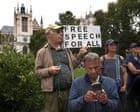
Free Speech Protection as Electoral Priority
A recent survey commissioned by Liberty, a prominent human rights organization, reveals that free speech protection Labour election policies will significantly influence voter behavior in the forthcoming general election. The polling data, conducted by More in Common, demonstrates that citizens consider freedom of expression a fundamental issue when deciding their electoral choices.
According to the research findings, approximately three in five voters stated that a political party's position on free speech would substantially affect their voting decision at the next general election. This substantial proportion indicates that free speech has emerged as a critical electoral consideration for the British public.
Public Perception of Current Government Policies
The polling results suggest that many citizens perceive the government's current approach to free speech as detrimental to Britain's interests. Liberty's analysis of the survey data indicates a widespread concern among voters regarding recent policy decisions affecting freedom of expression. The organization has warned that Labour's apparent failure to adequately protect and champion free speech protections could result in significant electoral consequences.
These findings represent a notable shift in public discourse, elevating voter concerns free speech policy from a niche issue to mainstream electoral consideration. The data underscores the importance that ordinary citizens place on preserving and protecting their fundamental right to express themselves freely without undue government interference.
Liberty's Election Warning
The human rights organization's interpretation of the polling results carries serious implications for the Labour Party's electoral strategy. By commissioning this research through More in Common, Liberty has effectively highlighted a potential vulnerability in Labour's political positioning. The organization explicitly stated that Labour's inadequate protection of free speech principles could translate into lost votes during the general election campaign.
This electoral warning is particularly significant given the traditional association of progressive parties with civil liberties protection. The suggestion that voters may penalize Labour for failing to defend free speech represents a challenge to the party's political narrative and appeals.
Impact on Election Voting Decisions
The survey findings demonstrate that election voting decisions free speech considerations are increasingly interconnected in voters' minds. Rather than treating free speech as a peripheral issue, the public appears ready to make it a central factor in determining which party receives their support. This represents a meaningful shift in electoral priorities for British voters.
The implications extend beyond single-issue voting. The data suggests that parties that fail to take a strong stance on protecting free speech may face broader credibility challenges regarding civil liberties and democratic values. Voters appear to view a party's free speech position as reflective of their broader commitment to individual rights and democratic principles.
Policy Implications Moving Forward
Looking ahead to the general election campaign, these polling results suggest that all major political parties must address voter concerns about free speech more directly and comprehensively. The government approach free speech will likely feature more prominently in political debate and campaign messaging than in previous electoral cycles.
Political strategists will need to consider how recent policy decisions affecting free speech may influence voter perception and electoral outcomes. For Labour specifically, the Liberty polling presents a clear challenge: developing and communicating a robust free speech protection agenda that resonates with voters who view civil liberties as a priority issue.
Broader Democratic Considerations
The survey results reflect broader concerns about the state of democratic discourse and individual freedoms in Britain. When significant proportions of the electorate identify free speech protection as a voting priority, it indicates underlying anxiety about the direction of policy and governance. This suggests that voters recognize the fundamental importance of unrestricted expression to democratic functioning.
These considerations have prompted Liberty to use its research platform to influence public and political discourse around Liberty polling results election impact. The organization's intervention reflects its belief that free speech protection represents a critical issue deserving prominent attention in electoral discussions and policy debates.
As the next general election approaches, the polling data commissioned by Liberty will likely shape how major parties frame their positions on free speech and civil liberties. The results demonstrate that voters take these matters seriously and will factor them into their electoral calculations.