Fassbender warns about growing difficulty in trusting online content
Navigating the Challenge of Online Trust in the Digital Age
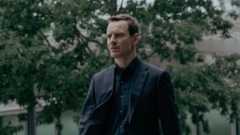
In a recent conversation about contemporary media challenges, actor Michael Fassbender highlighted the escalating difficulty in discerning what information deserves online trust in today's digital landscape. This observation resonates deeply as society grapples with misinformation, deepfakes, and artificial intelligence technologies that increasingly blur the line between authentic and fabricated content.
The Cast of The Agency Addresses Modern Security Concerns
The ensemble cast of the espionage-centered series "The Agency" gathered to discuss how contemporary threats shape their portrayal of covert operations. Their participation in this acclaimed spy thriller provides a unique perspective on how entertainment reflects real-world concerns about deception and authentication in the digital sphere.
Espionage Themes Meet Modern Reality
The production explores traditional espionage narratives while incorporating contemporary anxieties about information warfare and cyber threats. Cast members examined how the fictional world of intelligence operations parallels growing real-world challenges, where distinguishing trustworthy sources has become increasingly complex for ordinary citizens and institutions alike.
Artificial Intelligence as a Double-Edged Sword
Throughout their discussion, the actors delved into how artificial intelligence amplifies the challenge of maintaining online trust. AI technologies capable of generating convincing synthetic media represent an unprecedented threat to information authenticity. The cast explored these implications, recognizing that both entertainment and reality now contend with sophisticated tools capable of creating deceptive content.
The Personal Toll of Living a Double Life
Beyond technical considerations, the cast emphasized the psychological and emotional burden their characters experience by maintaining secret identities. This thematic exploration transcends fictional narrative, touching upon broader implications for personal security and psychological well-being in an age where digital footprints reveal extensive personal information.
The characters in "The Agency" navigate compartmentalized existences, where professional obligations demand separation from authentic personal relationships. This fictional scenario mirrors real concerns many individuals face regarding digital privacy and the fragmentation of identity across multiple online platforms.
Information Verification in Uncertain Times
Fassbender's remarks underscore an essential contemporary literacy requirement: the ability to critically evaluate digital sources. As misinformation proliferates through social media channels and manipulated media becomes increasingly convincing, audiences must develop sophisticated skills to assess source credibility and information authenticity.
The conversation illuminated how entertainment that examines intelligence work can serve as a cultural commentary on broader societal challenges. "The Agency" uses espionage narratives to explore questions about trust, deception, and the reliability of information—issues that extend far beyond spy fiction into everyday digital existence.
Broader Implications for Society
The dialogue between cast members reinforced that the difficulty of determining what warrants online trust represents one of contemporary society's most pressing challenges. Whether through deepfake technology, manipulated imagery, or coordinated disinformation campaigns, the mechanisms for deceiving audiences have become more sophisticated and accessible.
This reality demands greater awareness from digital consumers and more robust verification systems from platforms. Educational initiatives focused on media literacy, critical thinking about sources, and understanding AI capabilities have become essential components of informed citizenship.
The Intersection of Entertainment and Reality
By engaging with themes of espionage and deception, "The Agency" provides entertainment that simultaneously functions as social commentary. The cast's willingness to discuss these interconnected challenges—misinformation, artificial intelligence, and personal security—demonstrates how contemporary drama can prompt meaningful reflection about digital realities.
As Fassbender and his colleagues have articulated, understanding the mechanics of deception and the vulnerabilities in how we verify information represents crucial knowledge for navigating modern existence. The increasing difficulty in establishing online trust will likely remain a defining characteristic of contemporary digital culture, requiring ongoing adaptation and vigilance from both individuals and institutions.


