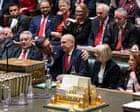
Farage Absent from Budget Over Commons Seating Dispute Concerns
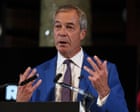
Farage's Controversial Budget Absence
Nigel Farage, leader of Reform UK, opted to remain absent from the House of Commons during the presentation of Chancellor John Healey's inaugural budget allocation, citing apprehensions regarding Nigel Farage budget absence escalating into a physical confrontation with a fellow parliamentarian over seating protocol complications. Rather than attend the parliamentary session directly, the prominent political figure chose to deliver his response through a separate press conference held following the budget announcement.
This unexpected withdrawal from such a significant parliamentary occasion underscores ongoing tensions within Westminster relating to procedural matters and seating accommodations. The Reform UK leader's decision to participate remotely rather than risk potential conflict highlights the fractious nature of contemporary Commons interactions and the personal animosity that occasionally characterizes relationships between opposing political figures.
Criticism of Ukrainian Financial Support
During his post-budget commentary, Farage expressed considerable surprise and disapproval regarding the government's allocation of £10 billion in financial assistance designated for Ukraine's ongoing defence and reconstruction efforts. The Reform UK leader's objection to this expenditure reflects broader party positioning on international aid distribution and domestic resource prioritization, which has become a defining characteristic of his political platform.
Farage articulated his stance forcefully during the press conference, emphasizing what he characterized as an unjustifiable commitment of substantial public resources toward international obligations when domestic priorities remain inadequately addressed. His vocal criticism of the budgetary provision demonstrates the persistent ideological divergence between Reform UK's approach to fiscal policy and the mainstream parliamentary consensus regarding international diplomatic commitments and humanitarian assistance.
Cryptocurrency Tax Reduction Initiative
Concurrently with his critique of the Ukraine allocation, Farage reiterated Reform UK's commitment to implementing preferential taxation frameworks specifically benefiting cryptocurrency investors and digital asset enterprises. The party continues advocating for substantial tax reductions targeting individuals engaged in crypto market activities, positioning this as essential for maintaining Britain's competitiveness within the rapidly expanding digital finance sector.
According to Reform UK's policy platform, such tax incentives would stimulate investment attraction, encourage technological innovation, and establish the United Kingdom as an increasingly attractive jurisdiction for blockchain-based enterprises and cryptocurrency entrepreneurs. Farage's reinforcement of this policy objective during budget commentary underscores the party's strategic emphasis on emerging financial technologies and alternative economic models that diverge substantially from traditional Conservative and Labour positions on cryptocurrency regulation and taxation.
Parliamentary Seating Protocol Tensions
The underlying seating arrangement dispute that precipitated Farage's budget absence reflects broader governance challenges affecting the House of Commons. Parliamentary seating assignments carry considerable symbolic significance regarding political status, factional representation, and acknowledgment of party standing within Westminster's hierarchical structures. Tensions surrounding such apparently procedural matters frequently mask deeper conflicts concerning parliamentary recognition and institutional legitimacy.
Reform UK's expanding parliamentary representation and Farage's elevated political profile have created questions regarding appropriate Commons accommodation and procedural positioning for the party's delegation. These practical considerations intersect with complex protocols governing parliamentary conduct, opposition positioning, and historical precedent, occasionally generating conflict when traditional arrangements prove insufficient for accommodating contemporary political configurations.
Strategic Political Positioning
Farage's decision to address the budget through independent press commentary rather than parliamentary participation represents a calculated political strategy. By avoiding direct Commons participation while simultaneously commanding media attention through a dedicated press conference, the Reform UK leader amplified his party's distinctive policy positions without subjecting himself to procedural constraints or parliamentary protocols that might limit his communication effectiveness.
This approach enabled Farage to control the narrative surrounding his budget response, emphasize Reform UK's differentiation from establishment political parties, and reinforce his constituency's perception of Westminster dysfunction and institutional hostility toward populist political movements. The tactic simultaneously demonstrated the broader tensions affecting contemporary parliamentary governance and the challenges of accommodating diverse political actors within traditional Commons procedures designed for smaller, more homogeneous party configurations.
Ongoing Parliamentary Dynamics
The incident exemplifies persistent friction within Westminster institutions as parliament adjusts to the evolving political landscape shaped by Reform UK's growing parliamentary presence and Farage's continued influence on British political discourse. These tensions suggest fundamental questions regarding parliamentary accommodation, procedural adequacy, and institutional adaptability as traditional party configurations transform and new political movements challenge established Westminster arrangements and conventions.