Extreme Heat Poses Greater Health Risks to Seniors 60+
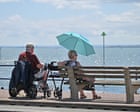
Extreme Heat Health Risks Seniors Face New Challenges
Recent scientific research indicates that extreme heat health risks seniors face are significantly more severe than earlier assessments suggested. A groundbreaking study published in The Lancet Public Health reveals that individuals aged 60 and over experience dangerous physiological responses to heat exposure at considerably lower temperature thresholds than previously documented by medical professionals.
The findings challenge conventional understanding of thermal tolerance in aging populations. Extreme heat health risks seniors encounter now appear measurable at even modest warming scenarios, with the research specifically highlighting vulnerability patterns that emerge at just 1.5 degrees Celsius above preindustrial baseline temperatures.
Vulnerability Patterns Among Older Populations
The research demonstrates that aging bodies respond differently to sustained thermal exposure compared to younger demographics. Older adults show diminished capacity to regulate core body temperature through sweating and cardiovascular adaptation. This biological reality means that heat waves previously considered manageable pose genuine health threats to seniors who lack adequate protective infrastructure or cooling resources.
Multiple physiological factors contribute to this heightened vulnerability. As individuals age, their thermoregulatory systems become less efficient. Reduced sweat production, changes in skin blood flow, and altered cardiovascular responses all converge to create a dangerous combination during extreme heat events. Additionally, many seniors take medications that further compromise heat tolerance, including diuretics, antihistamines, and certain cardiovascular drugs.
Global Warming and Increased Frequency
As global temperatures continue rising, the frequency and intensity of extreme heat episodes accelerate dramatically. Scientists warn that older adults will disproportionately bear the consequences of increasingly sustained heat waves across all continents. The geographic distribution of vulnerability extends from developed nations with robust healthcare systems to regions with limited cooling infrastructure and medical resources.
Urban areas present particular challenges, where heat island effects amplify ambient temperatures in densely populated neighborhoods. Senior citizens living in poverty or social isolation face compounded risks when extreme heat events occur, lacking both economic means for air conditioning and social networks providing emergency support.
Health Complications and Mortality Risks
Extreme heat exposure triggers multiple medical emergencies among elderly populations. Heat exhaustion, heat stroke, and exacerbation of pre-existing conditions like cardiovascular disease and respiratory illness all increase dramatically during thermal stress periods. Hospital admissions spike when temperatures soar, straining emergency departments and intensifying pressure on healthcare workers.
The research emphasizes that mortality increases substantially during prolonged heat waves. Older adults experience disproportionate death rates compared to general populations, with heat-related mortality showing clear age-stratified patterns. Deaths among seniors often receive classification as indirect heat-related fatalities, meaning the true burden of thermal stress remains underestimated in official statistics.
Implications for Climate Adaptation Policy
These findings demand urgent policy responses addressing elderly populations specifically. Public health authorities must develop targeted heat warning systems calibrated to geriatric physiology rather than generic population thresholds. Community cooling centers, subsidized air conditioning programs, and enhanced welfare checks during heat events represent critical interventions.
Healthcare providers should counsel older patients about heat vulnerability, encourage increased hydration, and review medication regimens for thermal stress interactions. Home modifications including window treatments, insulation improvements, and accessible cooling technologies deserve investment and subsidization for economically disadvantaged seniors.
Looking Forward
The Lancet Public Health study catalyzes necessary conversations about climate justice and differential vulnerability. Societies must acknowledge that global warming distributes harms unequally, with elderly populations bearing disproportionate costs. Adaptation strategies must prioritize protecting our aging citizens through evidence-based interventions informed by emerging scientific understanding of extreme heat health risks seniors encounter.