Ethics panel reveals it's conducted 20 sexual misconduct investigations into lawmakers since 2017
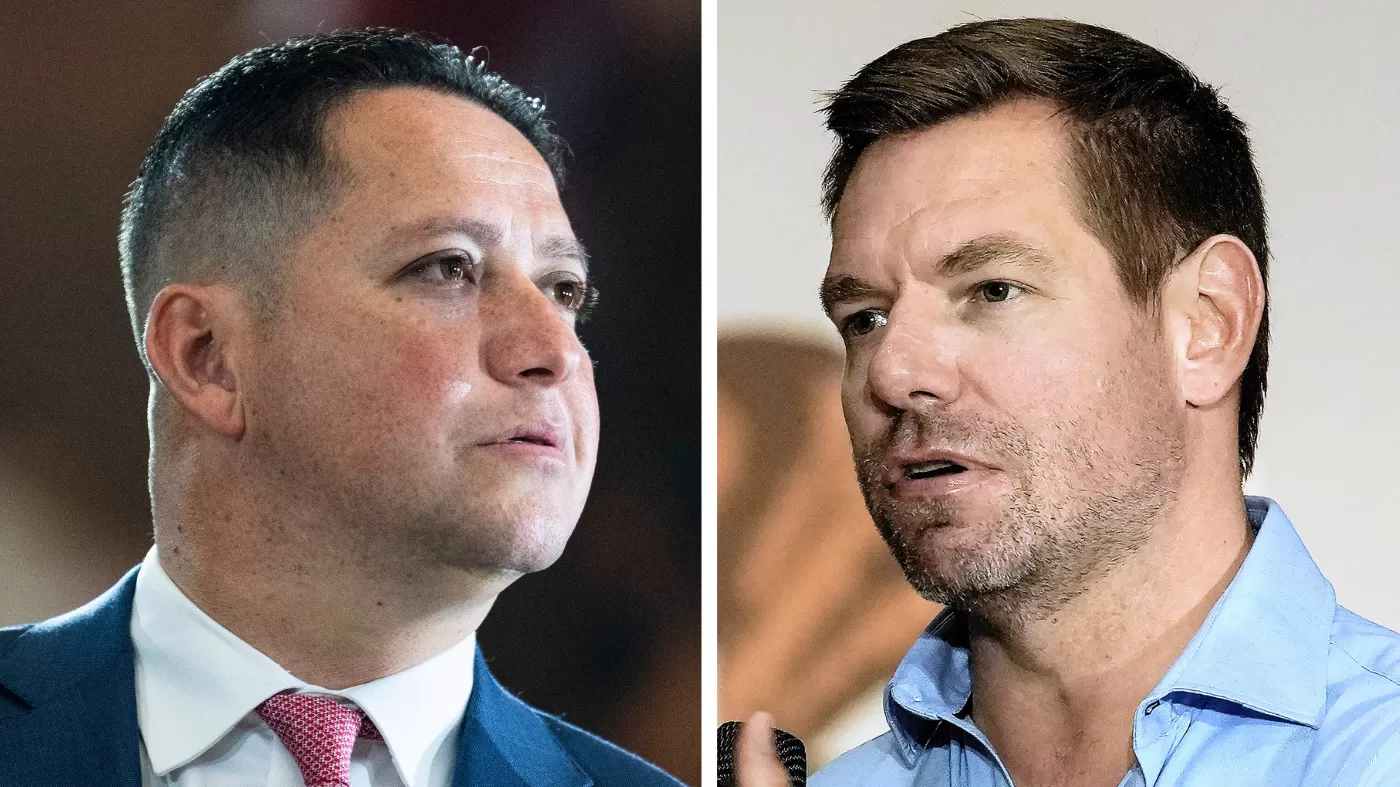
The House Ethics Committee has been under scrutiny in recent years for its handling of allegations of sexual misconduct by members of the House. In a rare, lengthy public statement released on Monday, the committee revealed that it has conducted 20 investigations into such allegations since 2017. This statement comes as a response to growing concerns about the committee's transparency and effectiveness in addressing these serious issues.
The House Ethics Committee is responsible for enforcing the Code of Official Conduct, which outlines the ethical standards that members of the House are expected to uphold. This includes prohibiting any form of sexual misconduct, which is defined as any unwelcome sexual advances, requests for sexual favors, or other verbal or physical conduct of a sexual nature.
In its statement, the committee acknowledged that it has faced criticism for not being transparent enough in its handling of sexual misconduct allegations. However, it emphasized that it takes these matters very seriously and is committed to ensuring a fair and thorough investigation process.
The release of a list of all publicly disclosed matters involving alleged sexual misconduct by members is a significant step towards increasing transparency. The list includes 28 instances in total, with 15 of them occurring since 2017. This shows that the committee has been actively addressing these issues and taking appropriate action.
It is important to note that the committee's jurisdiction is limited to investigating allegations of misconduct by members of the House. This means that it cannot investigate allegations against non-members, such as staff or lobbyists. However, the committee encourages anyone with information about potential misconduct to come forward and report it to the appropriate authorities.
The House Ethics Committee also highlighted the challenges it faces in conducting these investigations. Due to the sensitive nature of these allegations, the committee must balance the need for confidentiality with the public's right to know. This can often lead to delays in the release of information, which can be frustrating for those seeking transparency. However, the committee assured the public that it is continuously reviewing its processes to ensure a timely and fair resolution of these matters.
In addition to releasing the list of investigations, the committee also announced that it has implemented new training programs for members and staff on preventing and addressing sexual misconduct. This is a positive step towards creating a culture of respect and accountability within the House.
It is encouraging to see the House Ethics Committee taking proactive measures to address sexual misconduct within its ranks. The release of the list of investigations and the implementation of new training programs demonstrate the committee's commitment to upholding ethical standards and promoting a safe and respectful workplace.
However, there is still more work to be done. The committee must continue to prioritize transparency and accountability in its investigations and ensure that appropriate consequences are imposed for any misconduct. It is also crucial for the House as a whole to foster a culture of respect and zero tolerance for sexual misconduct.
In conclusion, the House Ethics Committee's statement and actions are a step in the right direction towards addressing sexual misconduct in the House. It is a reminder that no one is above the law and that all members must be held accountable for their actions. Let us hope that this momentum continues and leads to a more ethical and respectful environment for all in the House.