Colombia's Presidential Race Centers on Armed Violence Strategy
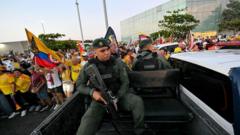
Colombia's Presidential Election Shaped by Internal Conflict
Colombia's upcoming presidential election increasingly reflects the nation's struggle with escalating internal armed conflict, presenting voters with fundamentally different approaches to addressing violence and gang-related activities across the country. The electoral contest has emerged as a referendum on how the nation should confront its most pressing security challenges through either negotiation or alternative enforcement strategies.
The Left-Wing Candidate's Dialogue Approach
A prominent left-wing senator has positioned himself as an advocate for engaging in direct talks with armed gangs operating throughout Colombian territory. This candidate emphasizes dialogue-based solutions, arguing that diplomatic negotiations with organized groups could reduce bloodshed and address root causes of conflict. His platform centers on the premise that traditional military responses have failed to eliminate violence and that meaningful conversation with criminal organizations might achieve greater long-term stability.
The senator's proposals include establishing communication channels with gang leadership, implementing conditional amnesty programs, and addressing economic grievances that fuel recruitment into armed groups. Supporters of this approach contend that conversations with armed actors have historically yielded measurable reductions in certain regions and that excluding criminal organizations from the negotiation table perpetuates cycles of violence.
The Outsider Candidate's Alternative Vision
In sharp contrast, an outsider political figure endorsed by former U.S. President Donald Trump represents a markedly different philosophy regarding armed conflict. This candidate advocates for more aggressive enforcement measures and stricter security protocols to combat criminal organizations and gang activity. The Trump-backed contender emphasizes law-and-order solutions, proposing enhanced military operations, increased intelligence gathering, and stronger penalties for gang participation.
This candidate's platform appeals to voters concerned about safety and skeptical of negotiations with criminal entities. Supporters argue that dialogue with armed groups legitimizes criminal actors and undermines state authority. They contend that robust security measures, rather than conversations with gang leadership, provide the most direct path toward reducing violence and establishing governmental control over contested territories.
Electoral Implications for Colombia's Future
The Colombian presidential election has become defined by these competing visions for national security policy. Voters face a stark choice between engagement-based strategies favoring dialogue with armed actors and enforcement-heavy approaches prioritizing military and police operations. This fundamental disagreement reflects broader ideological divisions within Colombian society regarding the relationship between the state and armed organizations.
The outcome of this election will significantly influence Colombia's approach to internal security for years to come. A victory for the left-wing senator would likely result in renewed peace negotiation initiatives, whereas the Trump-backed outsider's success would probably accelerate military operations and stricter criminal justice responses. Both candidates recognize that armed conflict remains the dominant issue determining voter preferences and electoral outcomes.
International Dimensions of the Race
The participation of international figures in Colombia's domestic election underscores the global attention focused on the nation's internal conflict. Trump's endorsement of the outsider candidate signals continued U.S. interest in Colombia's security policies and reflects broader hemispheric concerns about organized crime and gang violence. This international element adds another layer to an already complex electoral landscape.
Colombia's presidential election ultimately represents more than a routine political contest—it constitutes a national referendum on how the country will address its most serious internal challenges and security threats moving forward.


