Can Your Boss Control Summer Dress Code? Rights and Workplace Rules
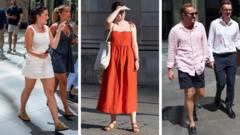
Understanding Summer Dress Code Policies in the Workplace
When temperatures rise, many employees wonder about their rights regarding summer dress code requirements. The question of whether your boss can dictate what you wear during warmer months involves both legal considerations and workplace culture norms. Employers have the right to establish appearance standards, but these rules must comply with employment laws and be applied consistently across all staff members.
The extent to which summer dress code regulations apply depends largely on your industry, company size, and local employment legislation. While some organizations maintain strict formal dress codes year-round, others adopt seasonal flexibility to accommodate weather conditions and employee comfort.
Legal Framework for Workplace Dress Codes
Employers generally possess the authority to implement workplace wardrobe rules that reflect company image and professional standards. However, these policies cannot discriminate based on protected characteristics such as race, gender, religion, or disability. Courts have consistently upheld reasonable dress code requirements that serve legitimate business purposes.
In the United States, Title VII of the Civil Rights Act prohibits discrimination in employment, including dress code enforcement. Some states and municipalities have enacted additional protections. For instance, regulations may prevent employers from enforcing different standards for men and women or from imposing requirements that conflict with religious observances.
What Constitutes a Reasonable Summer Dress Code
Most reasonable employer dress code policy guidelines allow for seasonally appropriate clothing during summer months. Common acceptable items include polo shirts, short-sleeved blouses, and breathable fabrics. Many companies now recognize that allowing casual summer attire improves employee morale and productivity without compromising professionalism.
However, extremely casual items like beach attire, overly revealing clothing, or graphic t-shirts with offensive content may justifiably be prohibited. The key distinction lies between reasonableness and rigidity. Progressive organizations often adopt business-casual policies during summer, permitting shorts and open-toed sandals while maintaining professional standards.
Industries with Stricter Standards
Certain sectors maintain more stringent professional summer clothing requirements. Law firms, financial institutions, and healthcare facilities often enforce traditional dress codes regardless of season. These industries prioritize client perception and institutional authority, making formal attire expectations less negotiable.
Customer-facing roles in banking, luxury retail, and corporate settings typically demand higher appearance standards. Conversely, creative industries such as technology, design, and media frequently embrace relaxed dress codes, even during summer months.
Your Rights and Employer Obligations
Employees retain certain workplace fashion rights that employers cannot override. You cannot be required to wear clothing that violates religious principles, compromises safety, or causes physical discomfort. If a dress code requirement conflicts with a medical condition or disability, employers must provide reasonable accommodations under the Americans with Disabilities Act.
Additionally, employers must apply dress codes uniformly. If male employees can wear short-sleeved shirts, female employees should receive equivalent permission. Gender-based distinctions in dress code enforcement are legally problematic and potentially discriminatory.
Navigating Dress Code Conversations with Your Employer
If your company's summer workplace wardrobe rules seem unreasonable, consider initiating professional dialogue with human resources. Present your concerns diplomatically, emphasizing productivity, employee wellness, and industry standards. Many organizations respond positively to evidence-based requests for policy adjustments.
Document existing policies in writing and compare them to similar organizations in your field. If competitors adopt more relaxed summer standards while maintaining professionalism, this information strengthens your case for change.
Practical Strategies for Professional Summer Style
Regardless of your employer's specific summer dress code requirements, several strategies help you stay comfortable while remaining professional. Invest in lightweight, breathable fabrics like cotton and linen. Choose neutral colors and classic styles that work across seasons.
Layering remains an effective approach in climate-controlled offices. A lightweight cardigan or blazer transforms casual basics into business-appropriate outfits. Closed-toe shoes in breathable materials satisfy both professional expectations and summer comfort needs.
Conclusion: Balance Between Rights and Workplace Culture
Your boss can establish reasonable dress codes, including summer guidelines, within legal boundaries. However, these policies must be non-discriminatory, consistently applied, and respectful of employee rights. Understanding both your obligations and protections helps you navigate workplace dress expectations confidently. When uncertainties arise regarding your employer's dress code policies, consulting your employee handbook or HR department provides clarity while maintaining professional relationships.


