Cambridge Professor Jason Arday Dies Amid Plagiarism Controversy
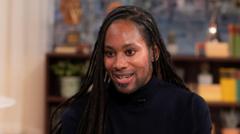
Cambridge Academic Jason Arday Found Dead
Jason Arday, the former Cambridge professor at the centre of significant plagiarism allegations, has been found dead in London on Friday. The discovery marks a tragic conclusion to a turbulent period in the accomplished academic's career, which had been marked by both professional achievements and serious scholarly disputes regarding the authenticity of his published work.
The Jason Arday plagiarism case had generated substantial debate within academic circles and beyond, as questions were raised about the integrity of research and institutional oversight in higher education. His death occurs during an ongoing period of examination into his scholarly contributions and the circumstances surrounding the allegations leveled against him.
Family Statement and Personal Impact
In a statement released to the media, Arday's family expressed their profound grief and shock at losing their loved one. "We are in shock to have lost this amazing father, partner, brother, uncle and son," the family said. The statement underscored the personal dimensions of the tragedy, highlighting that beyond the professional controversies, Arday was a family man whose absence would be deeply felt by those closest to him.
The family's statement provided a counterpoint to the public narrative surrounding the plagiarism scandal, emphasizing the multifaceted nature of Arday's identity and relationships outside his academic professional life. Those who knew him personally described qualities that extended far beyond his role as a Cambridge professor.
Academic Career and Controversy
Arday's academic journey had been marked by significant achievements in higher education, establishing himself as a notable voice in his field of expertise. However, the plagiarism allegations brought his career into sharp focus and prompted broader conversations about academic standards and accountability within prestigious institutions like Cambridge.
The controversy surrounding Jason Arday's work had raised questions about peer review processes, institutional verification mechanisms, and the responsibility of academic publishers in ensuring the originality of submitted materials. These broader implications extended the debate beyond the individual case to systemic issues within academia.
Impact on Cambridge University
Cambridge University has faced scrutiny regarding its handling of the allegations and the processes by which it addresses scholarly misconduct. The institution had been expected to conduct thorough investigations into the specific claims, with implications for institutional credibility and academic standards at one of the world's leading universities.
The death of Jason Arday, the central figure in the plagiarism controversy, raises questions about how universities will proceed with pending investigations and what lessons might be learned from the broader situation.
Broader Academic Integrity Concerns
The case has prompted wider discussions within the academic community about the importance of rigorous scholarship verification and the consequences of plagiarism in higher education. Universities worldwide have renewed attention to their policies and mechanisms for addressing academic misconduct.
Issues of academic integrity and the plagiarism scandal involving Cambridge's Jason Arday have contributed to ongoing conversations about transparency, accountability, and institutional responsibility in scholarly pursuits. These discussions continue to resonate throughout academic institutions globally.
Legacy and Reflection
As the academic community processes this tragic news, there remains reflection on how achievements and controversies coexist in individual careers, and how institutions respond to challenges to academic integrity. The circumstances surrounding Jason Arday's death and his plagiarism case will likely continue to influence discussions about oversight and ethical standards in academic publishing and research conduct.


