Budget 2026: Tax Hikes on Banks and Landlords Fund £100 Relief
Strategic Tax Reforms Address Household Financial Pressure
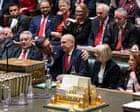
Chancellor John Healey introduced significant Budget 2026 tax increases targeting banks and landlords, allocating substantial revenue toward immediate cost-of-living relief for millions of British families. The £100 winter payment initiative represents a direct government intervention affecting approximately 20 million households struggling with unprecedented financial challenges.
The Budget 2026 tax increases represent a deliberate shift in fiscal policy, addressing structural economic vulnerabilities while providing targeted financial assistance to vulnerable populations. Officials forecast continued economic headwinds, with no immediate resolution anticipated for the ongoing cost-of-living crisis affecting household finances across the nation.
Global Economic Factors Driving Policy Decisions
In his inaugural budget presentation, Healey attributed economic difficulties to global developments, specifically referencing escalating tensions affecting energy markets. International instability surrounding the Iran region has intensified pressure on oil and gas prices, directly impacting household energy bills and consumer purchasing power. The chancellor characterized these circumstances as "global economic storms," emphasizing external factors beyond domestic control.
Energy Market Volatility and Consumer Impact
Rising energy costs remain central to current household financial strain. The geopolitical situation has created sustained upward pressure on commodity prices, perpetuating the energy crisis that emerged during previous fiscal periods. This volatile international environment necessitated immediate government intervention through the £100 support scheme.
Bank Taxation: Revenue Generation Framework
Financial institutions face increased tax obligations under the new budget framework. Banks will contribute additional revenue through enhanced taxation mechanisms, reflecting government assessment that financial sector profitability should support broader economic stabilization efforts. This approach redistributes resources from profitable financial operations toward household support programs.
Policy Rationale Behind Bank Tax Increases
The decision targets institutions that have demonstrated resilience during economic uncertainty. By increasing bank taxation, the government redistributes wealth across society, funding relief measures for households experiencing genuine financial hardship. This represents a counter-cyclical policy approach, using concentrated revenue sources to support widespread consumer needs.
Landlord Tax Considerations and Property Markets
Property sector taxation has been modified to generate additional government revenue. Landlords face enhanced tax obligations, acknowledging that rental income sources remain relatively stable despite broader economic pressures. This taxation approach assumes rental markets possess capacity to absorb additional fiscal burdens without significant market disruption.
Impact on Rental Market Dynamics
Increased landlord taxation may influence rental pricing strategies and property investment decisions. However, policymakers concluded that tax increases on property ownership were necessary to fund household relief measures. The balance between investment incentives and public financial support drove this policy decision.
Household Support Mechanism and Distribution
The £100 payment represents direct government assistance reaching 20 million families. This substantial relief initiative targets households meeting specific income and circumstantial criteria. Distribution mechanisms prioritize families facing most acute financial difficulties, ensuring resources reach those experiencing genuine hardship.
Eligibility Framework and Payment Process
The winter handout program establishes clear eligibility parameters, with 20 million households qualifying for support. Payment processes will utilize existing government systems, enabling rapid distribution without extensive administrative overhead. This approach prioritizes speed and efficiency in delivering urgently needed financial relief.
Broader Economic Forecast and Policy Outlook
Official economic forecasts presented alongside Budget 2026 tax increases indicate prolonged cost-of-living difficulties. Government economists predict sustained pressure on household finances, with no immediate reversal of current economic trends. This pessimistic outlook justified immediate intervention through tax-funded support measures.
The chancellor's presentation emphasized continuity of challenging conditions, preparing public expectations for extended periods of financial pressure. This realistic assessment informed budget allocations, focusing on supporting households through extended difficulties rather than anticipating rapid economic improvement.
Fiscal Policy Strategy and Government Priorities
Budget 2026 reflects deliberate fiscal choices prioritizing immediate household support. Tax increases on financial and property sectors generate revenue streams funding direct consumer relief. This approach balances revenue generation with support provision, addressing both government financial requirements and household financial pressures simultaneously.
The budget framework demonstrates government commitment to targeted assistance, utilizing tax policy as an instrument for wealth redistribution during economic crisis. These strategic choices reflect policy priorities emphasizing household welfare alongside fiscal responsibility.