Brits Stockpiling Essentials Following Government Emergency Guidance

Government Campaign Encourages Citizens to Prepare for Emergencies
Emergency stockpiling has become a growing practice among British households following an official government initiative aimed at promoting preparedness. The campaign, launched this week, encourages citizens to accumulate supplies sufficient for a three-day period to handle various potential crises. This proactive approach to emergency stockpiling reflects broader concerns about national security and environmental vulnerabilities affecting the United Kingdom.
The government's advisory recognizes multiple threat scenarios that could disrupt daily life and essential services. By recommending emergency stockpiling measures, authorities aim to ensure households can maintain basic functions during unexpected disruptions. The initiative targets a realistic timeframe of three days, which experts suggest represents an optimal balance between practical storage capacity and meaningful emergency preparedness.
What Supplies Should Families Consider for Emergency Stockpiling?
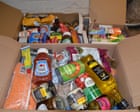
The recommended items for emergency stockpiling encompass a wide range of essentials. Tinned foods with extended shelf lives remain primary components of any emergency storage strategy. These non-perishable items provide nutritional sustenance when regular food supplies become inaccessible or compromised.
Beyond food items, emergency stockpiling should include:
- Bottled water reserves for drinking and sanitation purposes
- Essential medications and first-aid supplies
- Portable power banks for maintaining device connectivity
- Toilet paper and hygiene products
- Batteries and alternative lighting sources
- Important documents and cash reserves
These components collectively form a comprehensive emergency stockpiling foundation that addresses both immediate survival needs and practical daily requirements. Households are advised to assess their specific circumstances and customize stockpiling strategies accordingly.
Rising Concerns Drive Emergency Preparedness Adoption
Multiple factors have motivated increased interest in emergency stockpiling across British communities. Security concerns related to potential state-sponsored disruptions have prompted official warnings from government agencies. Simultaneously, escalating climate-related risks and extreme weather events have underscored the importance of household preparedness planning.
These interconnected challenges have created widespread recognition that emergency stockpiling represents a sensible precaution rather than an alarmist response. Citizens are increasingly viewing three-day emergency supplies as basic household management rather than extraordinary measures.
How Are UK Residents Responding to the Initiative?
Response to the government's emergency stockpiling campaign has been notably proactive across various UK demographics. Many households have already commenced accumulating supplies, moving ahead of the official recommendations. This demonstrates genuine engagement with preparedness messaging and recognition of potential risks.
The stockpiling movement extends beyond traditional survival supplies. Modern emergency preparedness now includes technological components such as power banks, which enable continued access to communication networks during potential outages. This reflects contemporary understanding that emergency stockpiling must address both physical and digital connectivity needs.
Expert Perspectives on Three-Day Emergency Supplies
Emergency preparedness specialists generally support the government's three-day timeframe as both achievable and practical for typical households. This duration provides sufficient buffer for emergency response systems to mobilize while remaining manageable for residential storage spaces. Three-day emergency supplies represent a meaningful hedge against disruption without requiring excessive space or investment.
Experts recommend periodic rotation and replacement of stockpiled items to maintain freshness and functionality. This ongoing maintenance approach transforms emergency stockpiling from a one-time activity into sustainable household practice. Regular inventory checks ensure supplies remain viable and relevant to family needs.
Implementing a Personal Emergency Stockpiling Strategy
Developing an effective emergency stockpiling plan requires systematic assessment of household composition, dietary requirements, and medical needs. Families should consider individual preferences and nutritional requirements when selecting tinned foods and other provisions. Customized emergency stockpiling approaches prove more practical than generic recommendations.
Storage location selection constitutes another crucial element. Emergency stockpiling supplies should be easily accessible yet protected from temperature fluctuations and moisture exposure. Cool, dry spaces provide optimal conditions for maintaining supply viability throughout extended storage periods.
Looking Forward: Emergency Preparedness as Standard Practice
The government's initiative signals a broader shift toward normalizing emergency stockpiling within UK households. This cultural movement positions preparedness as responsible household management rather than panic-driven behavior. As climate risks and security uncertainties persist, emergency stockpiling capability increasingly represents baseline resilience planning.
Citizens implementing three-day emergency supply strategies demonstrate commitment to family security and community stability. The accumulation of essential provisions reflects practical wisdom and contemporary risk assessment rather than excessive caution.