BBC Reveals Antiparasitic Drugs Falsely Marketed as Cancer Cures
Antiparasitic Medications Misrepresented as Cancer Remedies
A comprehensive investigation conducted by the BBC has exposed a widespread and troubling practice involving the illegal marketing of cancer treatment fraud through antiparasitic medications. The inquiry discovered that dewormer and scabies drugs are being systematically sold to vulnerable patients as miracle cancer cures, despite having no proven efficacy against malignant tumors. This deceptive practice targets individuals already suffering from terminal illnesses, offering false hope and financial exploitation when patients are at their most desperate.
The revelation of this cancer treatment fraud represents a significant concern for regulatory bodies and healthcare authorities worldwide. The medications in question were never developed or intended for oncological applications, yet they are being promoted with unfounded claims about tumor reduction and disease reversal. Terminally ill patients, facing limited conventional treatment options, have become primary targets for these unethical marketing campaigns.
How the Deception Operates
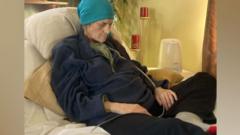
One particularly troubling case documented during the investigation involved a terminally ill man who was approached by a stair lift salesman with extraordinary promises. The salesman claimed that specific antiparasitic drugs possessed the ability to shrink tumors and provide relief from advanced cancer. This example illustrates how cancer treatment fraud has infiltrated unexpected channels, with individuals from various industries leveraging their access to vulnerable populations.
The investigation revealed that these fraudulent claims about antiparasitic medications are being circulated through multiple distribution channels, including door-to-door sales, online platforms, and personal networks. The perpetrators of this cancer treatment fraud often provide fabricated testimonials and fabricated medical documentation to support their assertions. Vulnerable patients, desperate for alternatives to conventional therapies that have failed them, prove susceptible to these manipulative tactics.
Distribution Networks and Targeting Methods
The BBC's research demonstrated that individuals promoting these antiparasitic drugs as cancer treatments employ sophisticated social engineering strategies. They identify vulnerable populations through various means, targeting those with terminal diagnoses who have exhausted conventional treatment options. The sales approach often incorporates pseudo-medical language and false credentials to establish credibility within vulnerable communities.
The Medical Reality of Antiparasitic Agents
The medications being fraudulently marketed—including dewormer preparations and scabies treatments—are legitimate pharmaceutical products designed for parasitic infections. These compounds have well-established profiles for treating conditions like intestinal worms and skin parasites. However, they lack any scientific basis for use in cancer treatment. The pharmaceutical community has found no evidence that these antiparasitic drugs can interfere with malignant cell growth, reverse tumor progression, or provide therapeutic benefit against any form of cancer.
Medical professionals universally reject claims that antiparasitic medications can substitute for established cancer treatment protocols. Recognized cancer therapies involve chemotherapy, radiation, immunotherapy, targeted medications, and surgical intervention—each developed through rigorous clinical trials and evidence-based research. The cancer treatment fraud perpetrated through antiparasitic drug marketing represents not only financial exploitation but also serious medical danger.
Risks to Patient Health
Beyond the financial devastation caused by cancer treatment fraud, victims face significant medical risks. Patients who delay or abandon legitimate cancer treatments while pursuing antiparasitic medications may experience disease progression that becomes irreversible. Additionally, antiparasitic drugs administered in high doses or inappropriate contexts can cause adverse health effects, including organ damage and dangerous drug interactions with legitimate medications patients may be taking.
Terminally ill individuals face particular vulnerability because their compromised health status makes them susceptible to adverse reactions. The psychological impact of false hope followed by inevitable disappointment compounds the suffering of cancer patients and their families already coping with difficult circumstances.
Regulatory Response and Prevention
Health authorities are strengthening surveillance mechanisms to identify and prosecute those perpetrating cancer treatment fraud. Regulatory bodies have increased warnings about the dangers of antiparasitic drug misuse and false marketing claims. The investigation conducted by the BBC provides crucial documentation that supports enforcement actions against fraudulent practitioners.
Patients seeking alternative or complementary cancer treatments are advised to consult with qualified oncologists before considering any medication or treatment protocol. Healthcare providers continue emphasizing that legitimate cancer treatment options, while sometimes challenging, represent the evidence-based approaches proven to offer the best outcomes for various malignancies.


