Bach Violin Dreams Transformed: MS Journey With Daughter
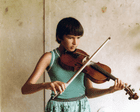
From Vision to Adaptation: A Musical Journey Challenged by Multiple Sclerosis
Shakira Hussein's lifelong ambition to perform Bach's violin double concerto alongside her daughter seemed like an achievable dream—until MS violin performance became complicated by progressive neurological challenges. When multiple sclerosis began subtly affecting her fine motor coordination, Hussein embarked on an unexpected journey of reinvention, discovering that artistic dreams need not be abandoned, merely reimagined.
The initial signs of decline were deceptively subtle. Hussein noticed inconsistencies in her violin technique, but attributed them to temporary setbacks or lack of practice. Her attention was diverted by other troubling symptoms that seemed unconnected to her musical pursuits. The crushing exhaustion she experienced—a sensation she struggled to describe adequately to her medical team as something far beyond ordinary fatigue—became an unwelcome companion in her daily life.
Recognizing the Neurological Connection
Like many individuals facing emerging health challenges, Hussein did not immediately connect the dots between seemingly disparate symptoms. The unexplained falls from her bicycle appeared to be isolated incidents. The deteriorating violin intonation seemed like a separate concern. However, as her neurological condition progressed, the connections became undeniable.
The turning point arrived when the right side of her body began showing signs of disconnection from her central nervous system. What had started as subtle technical difficulties evolved into profound physical limitations. Her ability to hold a pen became compromised, and maintaining her balance without assistive support grew increasingly difficult. Walking transformed from an unconscious activity into a deliberate, carefully managed process requiring a walking stick for stability.
It was during this phase of rapid deterioration that Hussein finally articulated what had been lurking beneath the surface: "this feels neurological." The realization, though difficult to accept, provided clarity that had been absent before. The symptoms that had seemed random and unrelated suddenly coalesced into a recognizable pattern pointing toward a specific diagnosis.
The Impact of MS on Musical Passion
Multiple sclerosis presented unprecedented challenges to Hussein's identity as a musician. The precision required for violin performance—the controlled finger movements, the steady bowing technique, the intricate coordination between hands—all depend on the fine motor skills that MS was systematically compromising. For someone whose artistic aspirations centered on performing complex classical compositions with her daughter, the diagnosis represented a profound threat to a cherished lifelong goal.
Yet Hussein's response to this devastating diagnosis demonstrated remarkable resilience. Rather than surrendering her musical dreams entirely, she chose a path of creative adaptation. This decision reflects a broader perspective on living with chronic illness: that limitations do not necessarily mean the end of meaningful pursuits, but rather an opportunity to explore alternative approaches to achieving them.
Reimagining Dreams Through Resilience
The journey from despair to adaptation requires emotional courage and creative problem-solving. Hussein's approach to her MS violin performance aspirations exemplifies how individuals living with neurological conditions can maintain connection to their passions. By accepting the constraints imposed by her condition while refusing to accept defeat, she opened possibilities for new forms of musical collaboration and expression.
Her story resonates with countless others facing degenerative health conditions. The diagnosis of multiple sclerosis often triggers a grieving process—mourning the loss of the life one expected to live. Hussein's experience suggests that moving through this grief can lead to meaningful transformation rather than mere resignation.
A Testament to Adaptive Living
Shakira Hussein's experience demonstrates that living with MS does not necessitate the abandonment of central life goals. Instead, it may require flexibility, creativity, and a willingness to redefine what success looks like. Her journey toward performing Bach with her daughter—perhaps in a modified form, at a different pace, or in an unexpected configuration—represents the broader human capacity to adapt and persevere in the face of significant health challenges.
The Bach violin double that Hussein yearned to perform with her daughter may take a different shape than originally envisioned. However, the collaboration between mother and daughter, and the artistic expression they create together, remains possible. This outcome—maintaining the essence of a dream while adapting its form—offers hope to others navigating similar neurological health journeys while pursuing their most cherished aspirations.