Artificial Ice Pyramids Preserve Water in Himalayan Villages
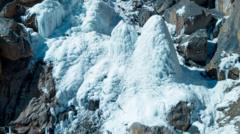
Artificial Ice Pyramids: A Solution for Water Scarcity in Himalayan Communities
Mountain villages across the Himalayan region are adopting an innovative approach to address critical water shortages through the construction of artificial ice pyramids. This groundbreaking technique allows communities to preserve frozen water reserves that become crucial during the spring agricultural season, ensuring consistent irrigation for crops when natural water sources remain limited.
Understanding the Technology Behind Artificial Ice Pyramids
Artificial ice pyramids represent a centuries-old adaptation modernized for contemporary challenges. These structures are engineered to capture and freeze water during winter months, creating massive ice reserves that can sustain villages throughout the dry season. The pyramids are strategically designed to minimize melting and maximize water retention, utilizing the region's extreme temperature variations.
The construction process involves channeling water from natural sources onto sloped surfaces during the coldest months. As temperatures plummet, the flowing water gradually accumulates and solidifies into thick ice layers. The pyramid shape proves essential—its steep angles reduce surface area exposure to sunlight, dramatically slowing the melting process compared to traditional ice or snow formations.
How Himalayan Villages Implement This Innovation
Local communities have developed sophisticated methods to build and maintain artificial ice pyramids in their high-altitude regions. Engineers work with villagers to identify optimal locations where natural water sources can be diverted, typically near streams or springs that flow year-round even during winter months.
The construction timeline aligns perfectly with seasonal patterns. During December through February, when temperatures drop significantly, water is channeled onto prepared surfaces. By early March, substantial ice pyramids have formed, standing several meters tall. These frozen reservoirs then provide a steady water supply as spring arrives and agricultural activities commence.
Addressing Water Scarcity in Mountain Agriculture
Agricultural productivity in Himalayan villages depends almost entirely on water availability during the critical spring planting and growth season. Traditional sources—melting snow and seasonal rainfall—have become increasingly unpredictable due to climate variations. Artificial ice pyramids bridge this gap, offering a reliable alternative that farmers can depend on.
The water released from these pyramids supports irrigation for essential crops including wheat, barley, and vegetables. For communities where agriculture represents the primary livelihood, this innovation has transformative implications. Farmers report improved crop yields and reduced dependence on rationing or restricting water usage during crucial growing periods.
Climate Resilience and Environmental Benefits
Beyond immediate agricultural benefits, artificial ice pyramids contribute to broader climate adaptation strategies. These structures help communities become less vulnerable to erratic weather patterns and provide a buffer against drought conditions. Additionally, they reduce the need for expensive imported water solutions or extensive irrigation infrastructure.
Environmental advantages include minimal ecological disruption compared to large dam projects. By utilizing natural seasonal water flow rather than constructing major barriers, villages preserve natural ecosystems while addressing their water needs. The frozen water remains pure, requiring no treatment before agricultural use.
Success Stories from Mountain Communities
Multiple Himalayan villages have successfully implemented artificial ice pyramid projects, documenting significant improvements in water security. Communities report that pyramids constructed during winter months consistently provide adequate water supply through the spring season, even during years of below-average snowfall.
Local engineers and water management experts have refined techniques based on practical experience. Knowledge sharing between villages has accelerated the adoption of this approach, with successful models inspiring neighboring communities to develop their own projects.
Challenges and Future Perspectives
While promising, artificial ice pyramid projects face ongoing challenges. Unpredictable climate patterns occasionally result in warmer-than-expected winters, reducing ice accumulation. Additionally, coordinating labor and resources in remote mountain locations requires significant community effort and planning.
Despite these obstacles, Himalayan villages continue refining and expanding artificial ice pyramid initiatives. This innovation demonstrates how traditional knowledge combined with modern understanding of water management can address contemporary challenges. As climate pressures intensify, this approach offers valuable lessons for water-stressed regions worldwide.
Broader Implications for Global Water Security
The success of artificial ice pyramids in Himalayan villages highlights innovative solutions emerging from communities facing climate pressures. This model has attracted international attention from water resource managers and climate adaptation specialists working in similar geographic regions.
As water scarcity becomes an increasingly critical global challenge, solutions developed by resource-constrained communities often prove both effective and sustainable. The Himalayan approach demonstrates how local innovation, combined with understanding of specific environmental conditions, can create resilient systems supporting both agricultural productivity and community survival in challenging mountain environments.


