AI Detects Heart Disease in Women via Mammogram Screening
Breakthrough in Cardiovascular Detection Through Breast Cancer Screening
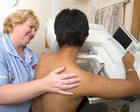
A groundbreaking study demonstrates that artificial intelligence can detect heart disease in women by analyzing routine mammogram images used for breast cancer screening. Researchers have successfully developed a method to identify cardiovascular problems during standard cancer detection procedures, offering women a dual-purpose screening opportunity that could save lives by catching the world's leading cause of mortality in females at an earlier stage.
How AI Identifies Cardiovascular Risk Factors
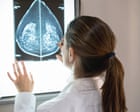
Utilizing advanced machine learning algorithms, scientists examined mammographic images to identify women at risk for coronary heart disease, hypertension, and cerebrovascular events. The artificial intelligence system analyzed subtle patterns and indicators within breast imaging data that correlate with cardiovascular health status. This innovative approach to AI detects heart disease in women represents a significant advancement in preventive healthcare, enabling medical professionals to recognize multiple health risks during a single diagnostic procedure.
The Technology Behind the Discovery
The research team trained their artificial intelligence models using extensive datasets of mammograms paired with patient health outcomes and cardiovascular event histories. By identifying visual biomarkers within breast tissue imaging, the AI technology achieved remarkable accuracy in distinguishing women with established coronary artery disease, elevated blood pressure, and prior stroke incidents. This demonstrates that mammographic imaging contains valuable information beyond breast tissue assessment that current visual inspection alone cannot fully capture.
Clinical Significance and Implications
Healthcare professionals emphasize that this discovery transforms routine mammography from a single-purpose cancer screening tool into a comprehensive health assessment instrument. Women undergoing standard breast cancer surveillance could simultaneously receive cardiovascular risk stratification without additional imaging procedures, additional radiation exposure, or extra healthcare appointments. This efficiency represents a substantial advancement in female-focused preventive medicine.
Why Heart Disease Detection in Women Remains Critical
Cardiovascular disease remains the primary cause of mortality among women globally, yet it frequently goes undiagnosed or is detected only after serious cardiac events occur. Traditional screening methods often underestimate cardiovascular risk in females because symptoms and presentation patterns differ from those observed in male populations. The capacity to detect heart disease in women through mammography addresses this critical diagnostic gap by integrating cardiac assessment into routine care pathways already established across healthcare systems.
Research Findings and Outcomes
The investigation yielded impressive results demonstrating that artificial intelligence analysis of mammograms successfully identified women with existing coronary heart disease, enabling earlier intervention and treatment optimization. Additionally, the system accurately flagged individuals with uncontrolled hypertension and documented stroke histories, suggesting potential for identifying at-risk populations before catastrophic cardiovascular events. These findings suggest that AI detects heart disease in women with clinically meaningful sensitivity and specificity.
Future Implementation Strategies
Medical institutions are exploring integration of this artificial intelligence technology into existing mammography workflows, requiring minimal infrastructure modification or workflow disruption. The software could be deployed alongside current cancer detection algorithms, analyzing the same image datasets simultaneously. This dual-analysis approach maximizes healthcare value from each screening procedure while maintaining established cancer detection protocols.
Expert Perspectives on the Research
Medical professionals acknowledge that this advancement addresses longstanding gaps in female cardiovascular health detection and prevention. Cardiologists and radiologists view the technology as complementary to traditional cardiac assessment methods, potentially improving population-level risk identification and enabling earlier preventive interventions. Experts note that integrating AI detects heart disease capabilities into standard mammography could dramatically improve outcomes for thousands of women annually.
Challenges and Considerations
Implementation will require healthcare systems to develop protocols for communicating unexpected cardiovascular findings to patients and coordinating follow-up care between radiology and cardiology departments. Regulatory approval and standardization across different mammography equipment manufacturers must be addressed. Additionally, healthcare providers need training on interpreting and acting upon AI-generated cardiovascular risk assessments.
Broader Impact on Women's Healthcare
This research exemplifies how artificial intelligence can enhance preventive medicine by extracting previously unrecognized diagnostic information from existing clinical data. The findings underscore the importance of sex-specific health research and the necessity for innovative approaches to female-centered healthcare challenges. As this technology matures and gains clinical adoption, millions of women worldwide could benefit from improved early detection of cardiovascular disease through their routine cancer screenings.