Advanced Microscope Technology Offers Hope for Incurable Bowel Disease
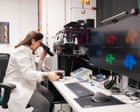
Revolutionary Microscope Technology Transforms Bowel Disease Research
Scientists are increasingly optimistic that a groundbreaking microscope system will fundamentally change our understanding of incurable bowel disease and open new avenues for therapeutic intervention. This sophisticated apparatus represents a paradigm shift in how researchers can investigate the underlying mechanisms of conditions like inflammatory bowel disease, which continues to affect millions globally.
Understanding the Scale of Incurable Bowel Disease Globally
The prevalence of incurable bowel disease has reached alarming levels, particularly among younger demographics. Research indicates that the global population of young individuals living with debilitating and untreatable bowel conditions continues to expand at a concerning rate. In the United Kingdom alone, the British Society of Gastroenterology reports that more than half a million people currently live with inflammatory bowel disease, with Crohn's disease and ulcerative colitis representing the two predominant manifestations of this condition.
The Rising Burden of Inflammatory Bowel Disease
Both forms of incurable bowel disease impose substantial physical, emotional, and economic burdens on patients and healthcare systems. The chronic nature of these conditions necessitates ongoing medical management and lifestyle adjustments. Without adequate treatment options, individuals with inflammatory bowel disease face recurring symptom flares, complications, and diminished quality of life.
Introducing 'Curie': The Next Generation Microscopy System
The innovative microscope, known as 'Curie,' represents no ordinary technological advancement. Operating at approximately 10 times the resolution capacity of conventional microscopy equipment, this system provides unprecedented visualization capabilities that could fundamentally alter scientific investigation of incurable bowel disease. The enhanced magnification and clarity offer researchers the ability to observe cellular and molecular structures at levels previously impossible to achieve.
Technical Capabilities and Research Advantages
The exceptional resolution offered by this advanced microscopy platform enables scientists to examine tissue samples and cellular interactions with extraordinary detail. For incurable bowel disease research, this capability proves invaluable in identifying abnormalities in intestinal tissues, examining inflammatory responses, and observing the behavior of immune cells at the microscopic level. The technological superiority of 'Curie' compared to traditional microscopy methodologies could accelerate the pace of scientific discovery.
Potential Pathways to New Treatment Development
Researchers anticipate that the advanced visualization capabilities of this microscope will catalyze breakthroughs in understanding the fundamental causes of incurable bowel disease. By revealing previously invisible mechanisms and processes, scientists may identify specific molecular targets for therapeutic intervention. This deeper understanding could pave the way for entirely novel treatment approaches that address the root causes rather than merely managing symptoms.
From Laboratory Discovery to Clinical Application
The translation of basic research findings into practical treatments requires multiple stages of validation and development. However, the enhanced observational capabilities provided by advanced microscopy technology significantly improve the likelihood of identifying actionable therapeutic targets. For patients living with incurable bowel disease, such breakthroughs could eventually lead to disease-modifying treatments or even preventive strategies.
The Global Research Community's Expectations
The medical and scientific communities have responded with considerable enthusiasm to this technological advancement. Gastroenterologists, immunologists, and molecular biologists recognize the potential impact of superior microscopy resolution on their understanding of inflammatory bowel disease mechanisms. The possibility of identifying the 'root cause' of incurable bowel disease represents a long-sought goal that could fundamentally reshape treatment paradigms.
Collaborative Research Initiatives
The introduction of 'Curie' is expected to facilitate increased collaboration among research institutions and laboratories worldwide. Scientists studying various aspects of incurable bowel disease can leverage this technology to conduct comparative analyses and verify findings across different research settings. Such collaborative efforts historically accelerate the pace of scientific progress and lead to more robust discoveries.
Implications for Patients and Healthcare Systems
For the more than half a million individuals in the UK living with inflammatory bowel disease, and the millions more globally, this technological advancement represents genuine hope for improved outcomes. Current treatment options, while helpful for some patients, do not address the underlying causes of incurable bowel disease and often lose effectiveness over time. The potential development of more targeted, effective treatments could substantially improve patient quality of life and reduce healthcare burden.
The advent of sophisticated microscopy technology like 'Curie' exemplifies how scientific innovation can address persistent medical challenges. As researchers utilize these enhanced capabilities to investigate incurable bowel disease, the medical community anticipates that transformative discoveries will emerge, ultimately benefiting millions of patients worldwide who currently live with these serious and debilitating conditions.