
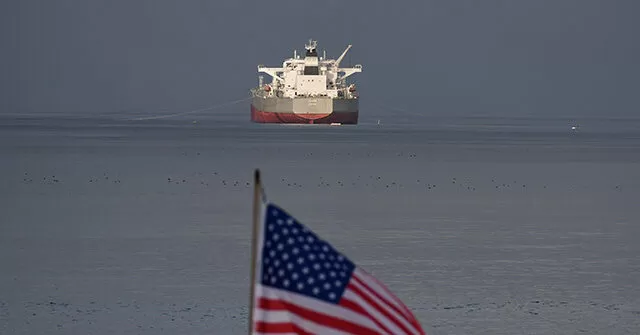
American multinational energy corporation Chevron has recently made headlines with its decision to import an average of 250,000 barrels of Venezuelan crude oil per day into the United States. According to a report by the BBC, this move has sparked a lot of interest and speculation in the energy industry.
Chevron, one of the world’s largest oil and gas companies, has been operating in Venezuela for over a century. The company has a long-standing partnership with the Venezuelan government and has been a major player in the country’s oil industry. However, with the recent political and economic turmoil in Venezuela, Chevron’s operations have been affected, leading to a decline in production.
In light of this, Chevron has turned to importing Venezuelan crude oil to meet the demand in the United States. This move has raised eyebrows and has been met with mixed reactions. Some see it as a strategic business decision, while others view it as a controversial move.
On one hand, Chevron’s decision to import Venezuelan oil can be seen as a smart business move. The company has a long history of working in Venezuela and has established strong relationships with the government and local communities. By importing oil from Venezuela, Chevron is not only supporting its long-standing partner but also ensuring a steady supply of crude oil for its operations in the United States.
Moreover, importing Venezuelan oil also benefits the US economy. The United States is one of the largest consumers of oil in the world, and importing from Venezuela helps to diversify its sources of oil. This, in turn, reduces the country’s dependence on other oil-producing nations and strengthens its energy security.
On the other hand, some critics argue that Chevron’s decision to import Venezuelan oil goes against the US government’s stance on the current political situation in Venezuela. The US has imposed sanctions on the Venezuelan government, including restrictions on oil trade, in an effort to pressure the government to restore democracy and human rights in the country.
However, Chevron has defended its decision, stating that it is in compliance with all applicable laws and regulations. The company also emphasizes that its operations in Venezuela are not providing any financial benefit to the Venezuelan government.
Despite the controversy surrounding Chevron’s decision, it is important to note that the company’s actions are not uncommon in the energy industry. In fact, many other US companies have continued to do business with Venezuela, despite the sanctions imposed by the US government.
Moreover, Chevron’s decision to import Venezuelan oil also has a positive impact on the Venezuelan people. The country’s economy has been struggling, and the oil industry is a major source of revenue for the government. By continuing to do business with Venezuela, Chevron is indirectly supporting the country’s economy and its people.
In conclusion, Chevron’s decision to import Venezuelan oil may have sparked some controversy, but it is ultimately a strategic business move that benefits both the company and the US economy. It also has a positive impact on the Venezuelan people, providing much-needed support to the country’s struggling economy. As a global energy corporation, Chevron has a responsibility to make sound business decisions while also considering the well-being of the communities and countries in which it operates.
