
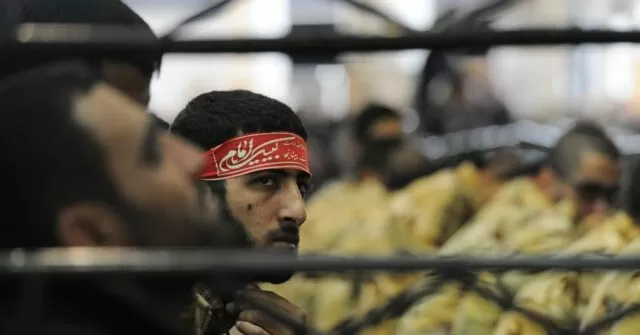
The Islamic Republic of Iran has once again made headlines with their recent threats to expand their military strikes in the Persian Gulf. The regime’s military has declared their intention to target energy infrastructure and U.S. interests in the region, with the ultimate goal of depriving the United States and its allies of oil for years to come. This aggressive stance has sparked concerns and raised tensions in the already volatile region.
The threat came from the Islamic Revolutionary Guard Corps (IRGC), a branch of the Iranian military that is known for its hardline stance and militant actions. In a statement, the IRGC warned that they have the capability to target all U.S. bases and warships within 2,000 kilometers of Iranian territory. They also stated that they have the ability to shut down the Strait of Hormuz, a vital shipping route for oil that connects the Persian Gulf to the rest of the world.
This latest threat from Iran is a clear indication of their hostile intentions towards the United States and its allies. It is a blatant attempt to assert their dominance and power in the region and to challenge the U.S.’s presence in the Persian Gulf. The IRGC’s statement also serves as a warning to other countries that rely on the region for their oil supply, as they could also become targets in this escalating conflict.
Iran’s aggressive actions in the Persian Gulf have been a cause for concern for many years. The country has a long history of supporting terrorist groups and destabilizing the region, and their nuclear ambitions have also been a source of international tension. The recent threats from the IRGC only add to the growing list of concerns about Iran’s intentions and their impact on global security.
The United States and its allies have been closely monitoring the situation in the Persian Gulf and have taken steps to ensure the safety of their assets in the region. The U.S. has increased its military presence in the area, and other countries have also stepped up their security measures. However, the IRGC’s threats to expand their strikes have raised the stakes and could potentially lead to a full-scale conflict in the region.
The consequences of such a conflict would be devastating, not only for the countries involved but also for the global economy. The Persian Gulf is a crucial hub for the world’s oil supply, and any disruption to the region could have severe consequences for the global market. Iran’s threats to deprive the U.S. and its allies of oil for years would have a significant impact on the world’s energy supply and could lead to a global economic crisis.
It is essential for the international community to take a firm stance against Iran’s aggressive actions and to support the U.S. and its allies in maintaining peace and stability in the region. The IRGC’s threats must be taken seriously, and all necessary measures should be taken to prevent any further escalation of the situation.
The Iranian regime’s actions in the Persian Gulf are a clear violation of international law and pose a threat to global security. It is time for the international community to stand united and send a strong message to Iran that their aggressive behavior will not be tolerated. The U.S. and its allies must continue to work together to find a peaceful solution to this ongoing conflict and ensure that the region remains safe and stable.
In conclusion, the recent threats from the IRGC to expand their strikes in the Persian Gulf are a cause for concern for the international community. It is imperative that the U.S. and its allies take necessary steps to protect their interests and deter Iran from any further aggressive actions. The world cannot afford to have another conflict in the already troubled region, and it is essential for all nations to work together to find a peaceful resolution to this crisis.
