
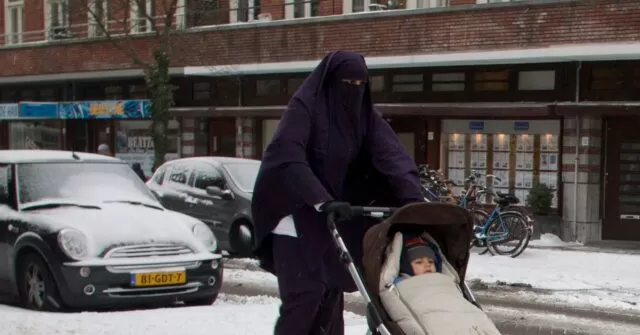
Reports of honour-based violence have been on the rise in the Netherlands, reaching record highs in recent years. This alarming trend can be attributed in large part to the influx of migrants from Middle Eastern nations, particularly those escaping the ongoing conflict in Syria. The situation has become so severe that it has caught the attention of international media, with Breitbart reporting on the issue in a recent article titled “Honour-Related Violence Surges to Record High in the Netherlands.”
It is important to first understand what honour-based violence is and how it differs from other forms of violence. Honour-based violence is a term used to describe any form of violence, including physical, emotional, or sexual, that is committed in the name of protecting or defending the honour of a family, community, or culture. It is often seen as a way to maintain traditional values and uphold a sense of cultural identity.
Sadly, this form of violence has become all too common in the Netherlands, with the number of reported cases increasing at an alarming rate. According to a report by the Dutch National Police, there were a total of 1,220 reported incidents of honour-based violence in 2019, a significant increase from the 964 reported cases in 2018. This means that, on average, there were more than three reported cases of honour-based violence every day in the Netherlands.
The majority of these cases involve victims from migrant communities, particularly those from Middle Eastern countries like Syria. It is a sad reality that those who have fled their home countries in search of safety and a better life are now facing violence within their new host country. This not only goes against the very notion of seeking refuge, but it also highlights the deep-rooted issues within these communities that perpetuate honour-based violence.
The rise in honour-based violence in the Netherlands has sparked concern and outrage among government officials, human rights organizations, and citizens alike. Everyone is calling for urgent action to put an end to this disturbing trend. The Dutch government has taken steps to address the issue, including implementing stricter laws and providing support and resources for victims. However, there is still a long way to go in terms of creating awareness and changing attitudes within these communities.
It is important to note that honour-based violence is not limited to physical abuse. It can also manifest in other forms, such as forced marriage, female genital mutilation, and emotional and psychological abuse. These forms of violence can have long-lasting consequences on the victims, including trauma, physical and mental health issues, and even death. It is a violation of basic human rights and must be condemned in the strongest possible terms.
The Netherlands has always been known for its progressive and inclusive society, and it is disheartening to see such a concerning issue arise within its borders. However, it is also a testament to the country’s commitment to addressing and resolving social issues. The government and various organizations are working tirelessly to raise awareness and provide support to those affected by honour-based violence.
It is also worth mentioning that many within these communities are actively working to address the issue and promote change. Organisations like the Dutch Foundation for Women Against Violence and the Centre for Prevention of Forced Marriage are making significant efforts to educate and empower individuals to speak out against honour-based violence. These efforts are crucial in breaking the cycle of violence and creating a safer environment for all.
We must also acknowledge the bravery of those who have come forward to report their experiences and seek help. It takes tremendous courage to speak out against such deeply ingrained cultural practices, and their voices must be heard and valued.
In conclusion, the surge of honour-based violence in the Netherlands is a concerning issue that demands immediate attention and action. It is a complex problem that requires a multi-faceted approach, including education, awareness, and strong law enforcement. We must all work together to create a society that respects and values the rights and dignity of every individual, regardless of their cultural background. Let us strive towards a future where honour-based violence is a thing of the past, and everyone can live without fear of violence and discrimination.
