
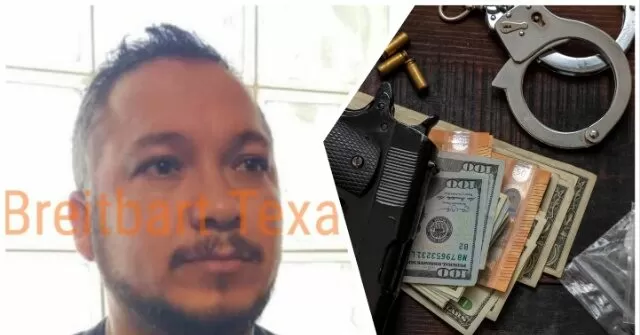
The Gulf Cartel, one of the most powerful and feared drug cartels in Mexico, has suffered a major blow this week as their second-highest-ranking leader, known as the “underboss,” pleaded guilty in a U.S. federal court to a drug conspiracy charge. This development marks a significant victory for law enforcement and sends a clear message that the United States will not tolerate drug trafficking and violence from criminal organizations.
The underboss, whose identity has not been revealed, was extradited to the U.S. in early 2025, following pressure from the Trump Administration for Mexico to take a harder stance against drug cartels. This move highlights the strong partnership and cooperation between the two countries in the fight against organized crime.
The plea agreement reached between the underboss and federal prosecutors is a significant step in dismantling the Gulf Cartel’s operations. The drug conspiracy charge carries a maximum sentence of life in prison, sending a strong message that those who participate in drug trafficking will face severe consequences.
The Gulf Cartel, founded in the 1930s, has a long history of violence and corruption, controlling a major portion of drug trafficking routes into the U.S. Their reach extends beyond drug trafficking, as they are also involved in human trafficking, extortion, and other criminal activities. The cartel’s ruthless tactics, such as decapitations and public displays of violence, have instilled fear and wreaked havoc in the communities they operate in.
The guilty plea of the underboss is a significant blow to the Gulf Cartel’s leadership and will undoubtedly disrupt their operations. This plea is just one of the many successes that law enforcement agencies have achieved in recent years in their fight against drug cartels. This victory is a testament to the dedication and hard work of law enforcement officials who put their lives on the line to keep our communities safe.
But the fight against drug cartels is far from over. It requires a joint effort from both Mexico and the U.S. to continue targeting and dismantling these criminal organizations. The guilty plea of the underboss serves as a reminder that there will be no safe haven for drug traffickers, and they will be held accountable for their actions, no matter where they try to hide.
The U.S. government’s commitment to tackling drug cartels is evident in its efforts to extradite and prosecute high-ranking cartel members. This strategy has proven to be effective in disrupting cartel operations and providing justice for their victims. The successful prosecution of the underboss will serve as a deterrent to others who may be involved in drug trafficking and send a clear message that the U.S. will not tolerate such criminal activities.
Moreover, the guilty plea of the underboss is a victory for the people of Mexico, who have long suffered from the devastating consequences of drugs and violence brought by cartels. The extradition and prosecution of cartel leaders to the U.S. not only removes dangerous criminals from Mexican communities but also weakens the cartels’ power and control over the country.
In conclusion, the guilty plea of the Gulf Cartel underboss in a U.S. federal court is a significant achievement in the fight against drug cartels. It serves as a reminder that the U.S. and Mexico are committed to working together to combat organized crime and protect our communities. This victory should motivate us to continue the fight against drug cartels and bring justice to their victims. As we celebrate this milestone, let us also remember that there is still much work to be done, and we must remain united in our efforts to create a safer and more peaceful society for all.
