
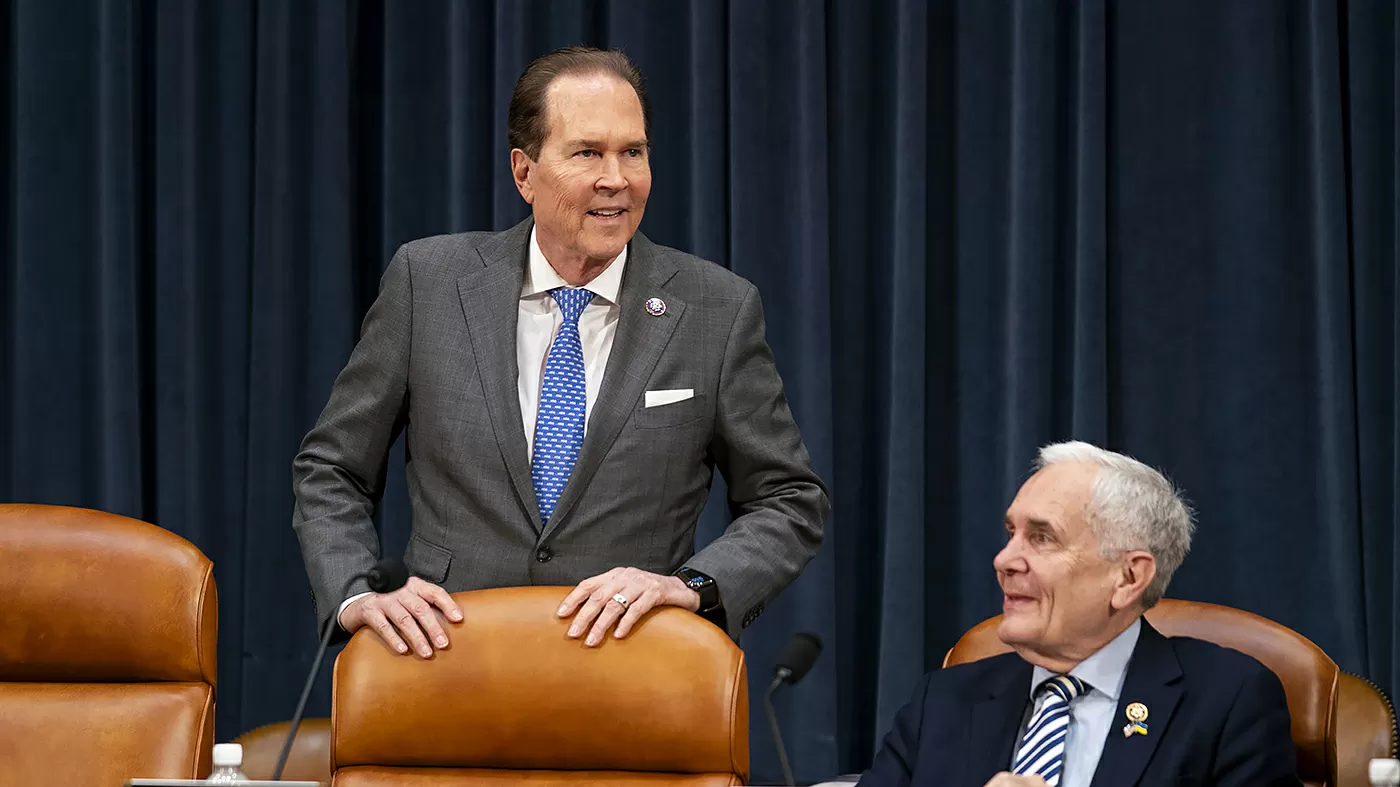
House Representatives Paul Tonko (D-N.Y.) and Vern Buchanan (R-Fla.) are leading the charge in Congress to address one of the most pressing health issues facing our nation today: Alzheimer’s disease. The two congressmen, who are co-sponsors of the Alzheimer’s Screening and Prevention (ASAP) Act, spoke at The Hill’s “Getting a Diagnosis ASAP: Progress in Early Alzheimer’s Detection” event on Thursday, emphasizing the urgent need for proactive measures to combat this devastating disease.
Tonko and Buchanan both agreed that Alzheimer’s disease is “too expensive” of an issue for Congress to ignore. With an estimated 5.7 million Americans living with the disease and the number expected to triple by 2050, the economic impact is staggering. In 2018 alone, the cost of caring for those with Alzheimer’s and other dementias is estimated to reach $277 billion, with Medicare and Medicaid covering the majority of these costs. As the population continues to age, these numbers are only expected to rise, making it crucial for Congress to take action now.
The ASAP Act, introduced by Tonko and Buchanan in February, aims to address the growing Alzheimer’s crisis by providing Medicare coverage for comprehensive care planning services, including early detection and diagnosis, for individuals at risk for Alzheimer’s or other dementias. This would allow for early intervention and better management of the disease, potentially reducing the burden on families and the healthcare system.
During the event, both representatives emphasized the importance of early detection and the role it plays in improving the quality of life for individuals with Alzheimer’s. “Early diagnosis is critical to managing this disease. It allows patients and their families to plan for their future and make important decisions about their care,” said Tonko. Buchanan added, “Early detection and diagnosis is key to slowing the progression of Alzheimer’s and improving the effectiveness of treatments.”
The congressmen also highlighted the need for increased research funding for Alzheimer’s disease. While there have been significant advancements in other areas of healthcare, there has been little progress in finding a cure or effective treatments for Alzheimer’s. Tonko and Buchanan are committed to advocating for more funding and resources to support research efforts and find a cure for this devastating disease.
The event also featured a panel of experts in the field of Alzheimer’s research and care, who shared their insights and discussed the progress being made in early detection and diagnosis. They stressed the importance of public awareness and education, as well as the need for continued research to better understand the disease and develop effective treatments.
The Alzheimer’s Association, a leading organization in the fight against Alzheimer’s, praised the efforts of Tonko and Buchanan in addressing this pressing issue. “We are grateful for the leadership of Representatives Tonko and Buchanan in introducing the ASAP Act. This legislation is a crucial step towards improving early detection and providing comprehensive care for individuals living with Alzheimer’s and their families,” said Robert Egge, Chief Public Policy Officer for the Alzheimer’s Association.
In conclusion, the urgency of addressing Alzheimer’s disease cannot be overstated. As Tonko and Buchanan reiterated, this is an issue that is “too expensive” for Congress to ignore. The ASAP Act, along with increased research funding and public awareness, is a critical step towards improving the lives of those affected by this devastating disease. It is time for Congress to take action and make Alzheimer’s a national priority. Let us join hands and work towards a future where Alzheimer’s is no longer a threat to our loved ones and our nation.
