
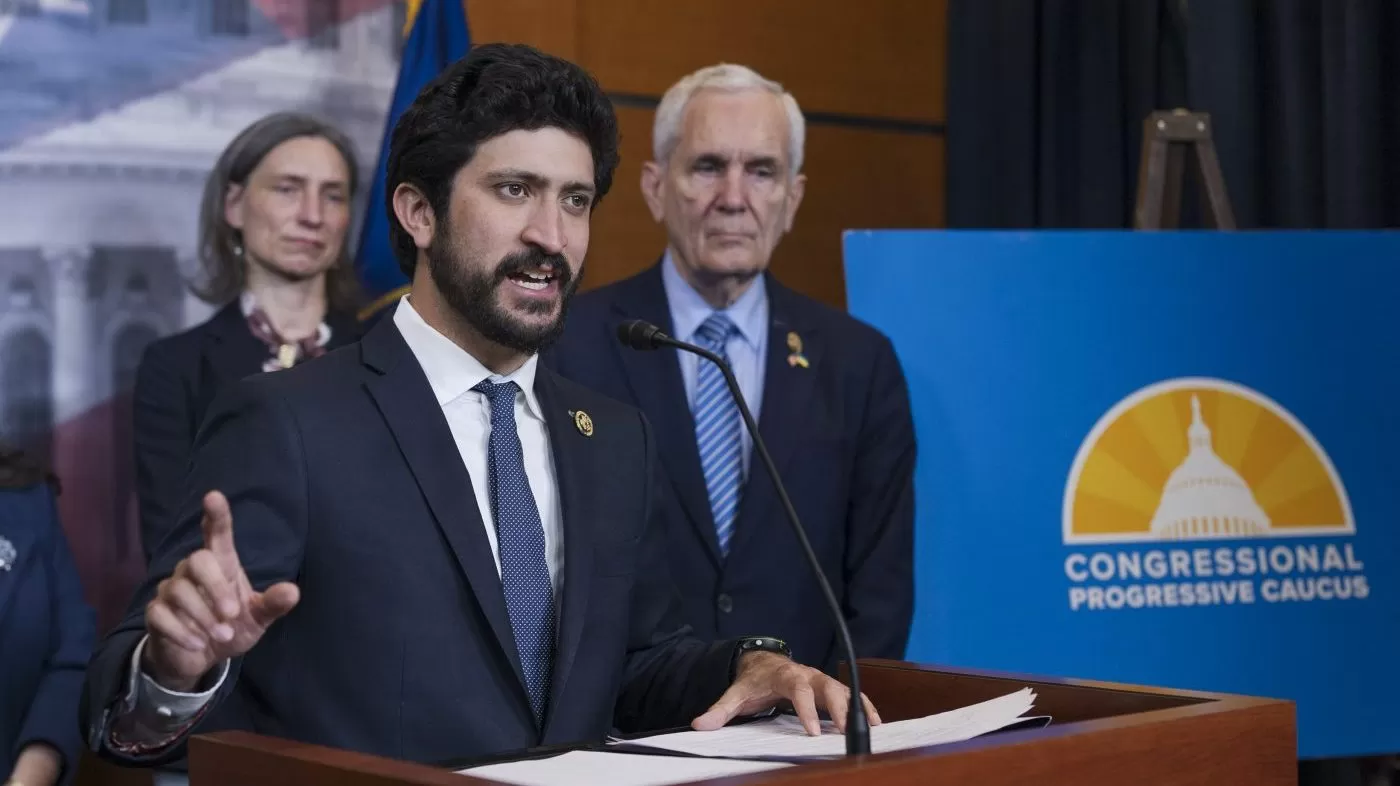
The Congressional Progressive Caucus (CPC) has taken a bold and principled stand against the reauthorization of warrantless surveillance powers in the United States. In a historic move, the caucus has formally voted to oppose the extension of Section 702 of the Foreign Intelligence Surveillance Act (FISA), which allows the government to collect and search the communications of Americans without a warrant.
This decision by the CPC is significant, as it could pose a challenge for the House GOP, who are facing pressure from President Trump to extend the surveillance program for another 18 months. It is a clear indication that the caucus is committed to protecting the privacy and civil liberties of American citizens.
Section 702 of FISA, which was first authorized in 2008, is set to expire on December 31, 2017. This provision allows the National Security Agency (NSA) to collect and search the communications of non-U.S. citizens located outside the United States, without a warrant. However, it also allows the government to incidentally collect and search the communications of Americans who may be communicating with foreign targets.
The CPC’s decision to oppose the reauthorization of this controversial provision is in line with their progressive values and commitment to upholding the Constitution. In a statement released by the caucus, they stated that the warrantless surveillance program “violates the Fourth Amendment rights of Americans and undermines our democracy.” They also highlighted the lack of transparency and accountability surrounding the program, which has raised serious concerns about potential abuses of power.
The CPC’s stance on this issue is not a surprise, as they have long been vocal critics of government surveillance and have consistently fought for stronger privacy protections. In 2015, the caucus successfully pushed for the passage of the USA Freedom Act, which ended the bulk collection of Americans’ phone records by the government. And now, they are once again standing up for the rights of American citizens.
This decision by the CPC is a reflection of the growing concern among Americans about the balance between national security and civil liberties. In recent years, there has been a heightened awareness about government surveillance and the potential for abuse. The CPC’s move to oppose the reauthorization of warrantless surveillance powers is a clear indication that the American people are not willing to sacrifice their privacy in the name of national security.
The CPC’s decision also sends a strong message to the House GOP and the Trump administration. It shows that there is a significant opposition to the reauthorization of Section 702 and that the caucus will not back down in their fight for stronger privacy protections. With the current political climate and the ongoing investigations into Russian interference in the 2016 election, the reauthorization of this provision is facing increased scrutiny and resistance.
In the coming weeks, the House of Representatives is set to vote on the extension of Section 702. The CPC’s opposition to this reauthorization could have a major impact on the outcome of this vote. This could potentially lead to a showdown between the progressive caucus and the House GOP, who are facing pressure from both the president and the intelligence community to extend the surveillance program.
It is heartening to see the CPC taking a strong and principled stance on this issue. As the caucus continues to grow and gain influence in Congress, we can expect to see more bold and progressive actions like this. The CPC’s commitment to protecting the privacy and civil liberties of all Americans is a testament to their dedication to serving the people and upholding the values of our democracy.
In conclusion, the Congressional Progressive Caucus has taken a historic step in opposing the reauthorization of warrantless surveillance powers. Their decision to stand up for the rights of American citizens sends a powerful message and sets an example for other lawmakers to follow. Let us hope that their voices will be heard and that the privacy of all Americans will be protected.
