
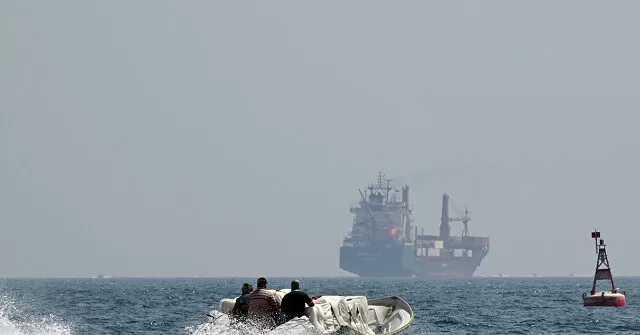
In recent years, the Strait of Hormuz has become a hotbed of tension and conflict, with Iran and the United States engaging in a series of hostile actions and rhetoric. Amidst this volatile environment, commercial vessels sailing near the Strait have resorted to identifying themselves as Chinese-owned or crewed by Chinese nationals, in an effort to avoid potential terrorist attacks from Iran.
According to reports, several commercial ships have changed their flags and markings to indicate Chinese ownership, despite not being registered in China. This tactic has been adopted by ship owners and operators in response to the escalating tensions between the US and Iran, which has resulted in a spate of attacks on commercial vessels in the region.
The Strait of Hormuz, which connects the Persian Gulf to the Arabian Sea, is a vital shipping route for global trade, with an estimated 20% of the world’s oil passing through it. However, in recent years, the region has witnessed a rise in attacks on commercial ships, with Iran being accused of targeting vessels in retaliation for US sanctions.
In the face of this threat, commercial vessels have turned to China for protection. The Chinese government, known for its strong stance against terrorism, has been actively involved in safeguarding its interests in the region. This has resulted in Chinese naval patrols in the Gulf of Aden and the Arabian Sea, and a significant presence in the Strait of Hormuz.
The move by commercial ships to claim Chinese ownership has been welcomed by the Chinese government, as it aligns with its efforts to protect its citizens and interests abroad. It also highlights China’s growing influence in the region, as it continues to expand its economic and political ties with countries in the Middle East.
This tactic has also been praised by industry experts, who view it as a smart move by commercial ship owners to ensure the safety of their vessels and crew. By identifying themselves as Chinese-owned, these ships are less likely to be targeted by Iran, as it would risk damaging its relationship with China.
Furthermore, the Chinese crew members on board these ships are also seen as a deterrent to potential attacks. Chinese nationals are known for their diligence and discipline, and their presence on board provides an added layer of security for the vessel and its cargo.
The decision to claim Chinese ownership also has economic implications, as it allows these ships to continue their operations without interruption. In the past, attacks on commercial vessels have resulted in costly delays and disruptions to global trade. By identifying as Chinese-owned, these ships are able to navigate the Strait of Hormuz without facing any obstacles, ensuring the smooth flow of goods and resources.
However, this move has also raised concerns about the potential consequences of misrepresenting ownership. Some experts argue that this could lead to a dangerous precedent, where other countries may also resort to claiming false ownership to protect their ships. This could further escalate tensions in the region and potentially lead to unintended consequences.
Despite these concerns, the decision by commercial ships to claim Chinese ownership remains a pragmatic and effective solution to the current situation in the Strait of Hormuz. It not only ensures the safety of the vessels and their crew but also contributes to maintaining the stability of global trade.
In conclusion, the move by commercial vessels to identify themselves as Chinese-owned in the Strait of Hormuz is a clear indication of the changing dynamics in the region. It highlights China’s growing presence and influence in the Middle East, and its commitment to protecting its interests and citizens abroad. This tactic, while not without its drawbacks, has proven to be a wise and necessary measure in the face of escalating tensions in the region. As the world continues to navigate through these turbulent times, it is crucial for all nations to work together towards maintaining peace and stability in this vital shipping route.
