
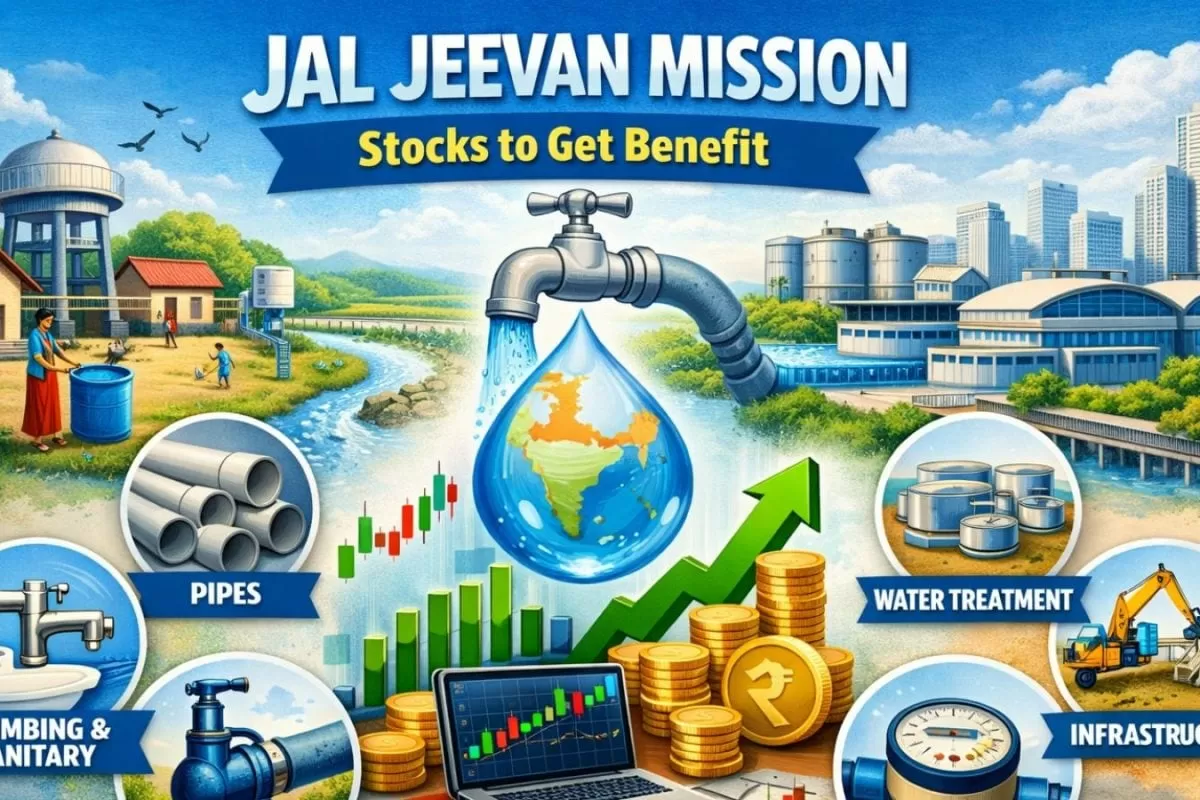
The Indian government has taken a major step towards providing clean and safe drinking water to every household in the country by extending the Jal Jeevan Mission (JJM) until December 2028. This ambitious mission, also known as JJM 2.0, has been allocated a whopping Rs 8.69 lakh crore outlay, making it one of the largest water supply schemes in the world. The extension of this mission is a testament to the government’s commitment towards ensuring access to clean water for all citizens.
The Jal Jeevan Mission was launched in 2019 with the aim of providing tap water connections to every rural household in the country by 2024. The mission has made significant progress in the last two years, with over 4.6 crore households being provided with tap water connections. However, with the extension of the mission, the government aims to cover the remaining 2.87 crore households and ensure 100% coverage by 2028.
The extension of the Jal Jeevan Mission is a welcome move, especially in the wake of the ongoing COVID-19 pandemic. The importance of clean water for maintaining hygiene and preventing the spread of diseases has been highlighted during this crisis. With the mission’s focus on providing tap water connections, it will not only improve the health and well-being of citizens but also contribute to the country’s overall development.
The extended mission, JJM 2.0, will also focus on sustainability and water conservation. The government plans to involve local communities in the planning and implementation of water supply schemes, promoting their ownership and responsibility towards water resources. This will not only ensure the sustainability of the mission but also create employment opportunities for the local population.
The Cabinet’s decision to extend the Jal Jeevan Mission has also brought good news for the business sector. Companies like Supreme Industries, Welspun Corp, and Va Tech Wabag, which are involved in the manufacturing and supply of pipes and other water infrastructure materials, are expected to benefit from this move. The increased demand for their products and services will not only boost their business but also contribute to the country’s economic growth.
The extension of the mission also presents an opportunity for these companies to showcase their expertise and contribute to the country’s development. With the government’s focus on sustainability, these companies can also play a crucial role in promoting the use of eco-friendly and cost-effective materials for water supply schemes.
The Jal Jeevan Mission has already made significant progress in providing tap water connections to households in rural areas. However, the extension of the mission will also focus on providing piped water supply to schools, anganwadis, and healthcare facilities in these areas. This will not only improve the quality of education and healthcare but also promote the overall development of rural areas.
The government’s decision to extend the Jal Jeevan Mission has been widely appreciated by various stakeholders, including experts and citizens. The mission’s success will not only improve the lives of millions of people but also contribute to the achievement of the United Nations’ Sustainable Development Goal of ensuring access to clean water and sanitation for all.
In conclusion, the extension of the Jal Jeevan Mission until December 2028 as JJM 2.0, with an outlay of Rs 8.69 lakh crore, is a significant step towards achieving the goal of providing clean and safe drinking water to every household in the country. The mission’s focus on sustainability, involvement of local communities, and support to the business sector will not only ensure its success but also contribute to the country’s overall development. Let us all join hands and work towards making India a water-secure nation.
