
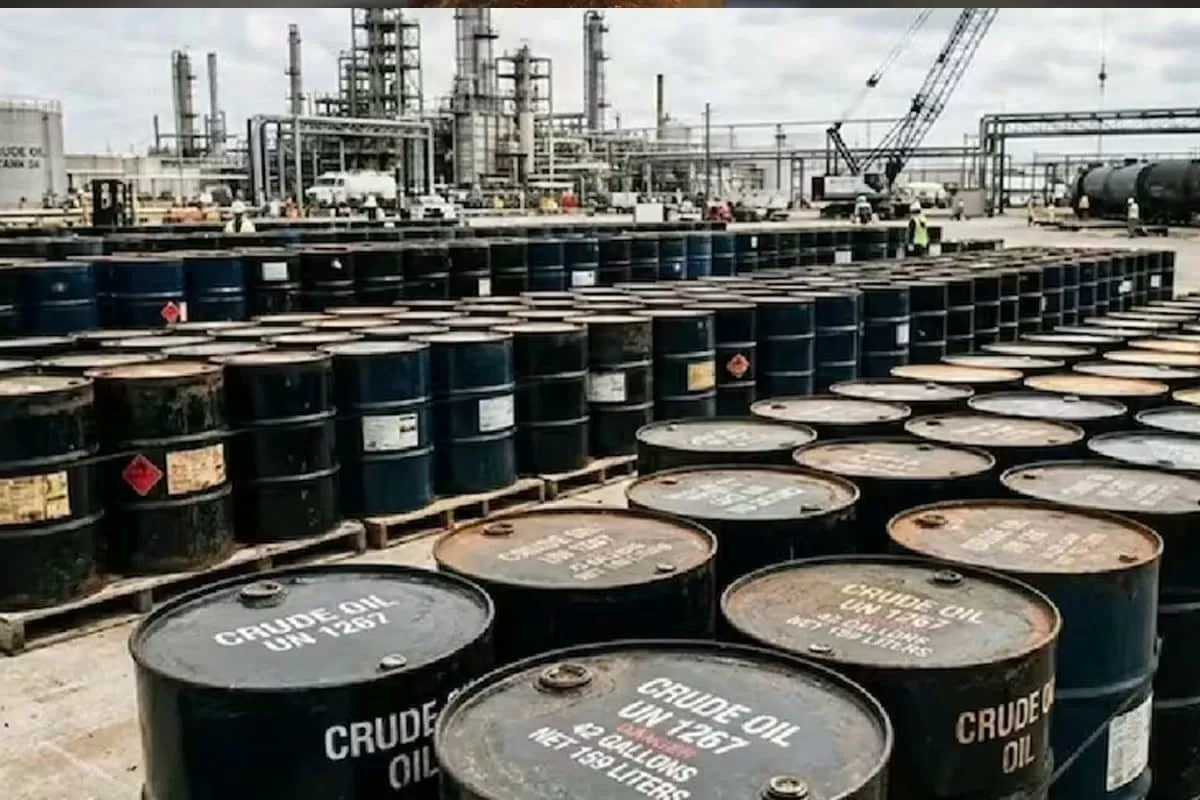
The global energy landscape is a constantly evolving and complex system, with various nations playing a crucial role in shaping its trajectory. However, despite the efforts of many countries to diversify their energy sources and reduce their reliance on fossil fuels, the reality remains that a few nations still hold the vast majority of the world’s proven oil reserves. This dominance has significant implications for the global energy market and highlights the need for continued efforts towards sustainable and equitable energy distribution.
According to the latest data from the US Energy Information Administration, the top five countries with the largest proven oil reserves are Venezuela, Saudi Arabia, Canada, Iran, and Iraq. Together, these nations hold approximately 56% of the world’s proven reserves, with Venezuela alone accounting for 18% of the total. This concentration of reserves in a few countries highlights the uneven distribution of energy resources and the potential for geopolitical tensions and economic disparities.
One of the primary reasons for this unequal distribution of oil reserves is the geological factors that determine the presence of oil in a particular region. Oil is formed over millions of years through the decomposition of organic matter and is often found in areas with specific geological conditions. As a result, some countries, such as Venezuela and Saudi Arabia, are fortunate to have vast oil reserves, while others may have limited or no reserves at all.
However, it is not just geological factors that determine a country’s oil reserves. Political and economic considerations also play a crucial role. Many of the countries with the largest proven reserves have invested heavily in the exploration and extraction of oil, using advanced technologies and techniques to maximize their output. This has allowed them to maintain their dominance in the global energy market and reap significant economic benefits.
The dominance of a few nations in the global energy landscape has both positive and negative implications. On the one hand, it provides stability and security to the global energy market, as these countries can meet the demand for oil and prevent supply shortages. This is especially important given the ever-increasing demand for energy, particularly in developing countries. On the other hand, it also creates a power imbalance, with these nations having significant control over the price and supply of oil.
Furthermore, the reliance on a few nations for oil also makes the global energy landscape vulnerable to political and economic disruptions. Any instability or conflict in these regions can have a significant impact on the global energy market, leading to price fluctuations and supply shortages. This was evident during the 1973 oil crisis, when the Arab-Israeli war led to an oil embargo by the Arab countries, causing a sharp increase in oil prices and widespread economic turmoil.
In recent years, there has been a growing awareness of the need to reduce our dependence on fossil fuels and transition towards cleaner and renewable energy sources. This has led to a shift in the global energy landscape, with many countries investing in alternative energy sources such as solar, wind, and hydropower. However, the transition to renewable energy is a slow and gradual process, and oil continues to be the primary source of energy for most countries.
In this context, it is essential to recognize the role that countries with large oil reserves play in shaping the global energy landscape. These nations have a responsibility to manage their resources sustainably and work towards a more equitable distribution of energy. This can be achieved through partnerships and collaborations with other countries, as well as investing in renewable energy sources and promoting energy efficiency.
Furthermore, it is crucial for countries to diversify their energy sources and reduce their reliance on oil. This will not only help in mitigating the negative impacts of the dominance of a few nations but also contribute to global efforts towards combating climate change. Governments and businesses must work together to invest in research and development of new technologies and promote the use of clean energy sources.
In conclusion, the global energy landscape continues to be dominated by a few nations with the vast majority of the world’s proven oil reserves. While this dominance has its benefits, it also highlights the need for a more diversified and sustainable energy distribution system. It is the responsibility of all nations to work towards a more equitable and cleaner energy future, and this can only be achieved through collaboration and collective efforts. Let us all strive towards a more balanced and sustainable global energy landscape for the benefit of current and future generations.
