
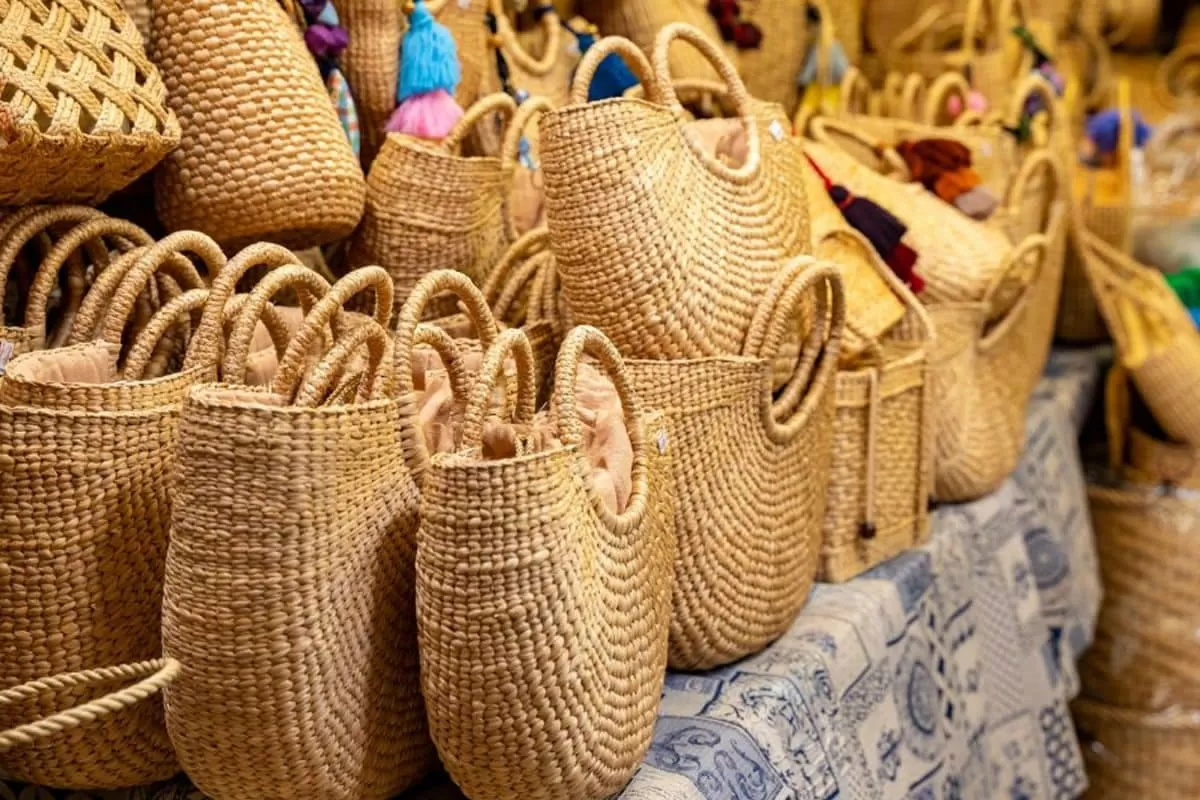
Kolkata, formerly known as Calcutta, is a bustling city in the eastern part of India. It is a city that is steeped in history and culture, and is known for its vibrant energy and rich heritage. But there is one aspect of Kolkata that stands out and has earned it a prominent place in the world – its dominant role in jute manufacturing and trade.
Jute, also known as the “golden fiber”, is a natural fiber that is derived from the jute plant. It is one of the most versatile and eco-friendly fibers, and has been an integral part of the Indian economy for centuries. And Kolkata, with its strategic location on the banks of the Hooghly river, has been at the forefront of jute production and trade.
The history of jute in Kolkata can be traced back to the 19th century when the British East India Company set up jute mills in the city. The abundance of water and cheap labor made Kolkata an ideal location for jute production. Over the years, the jute industry in Kolkata grew by leaps and bounds, and the city became the hub of jute manufacturing and trade in India.
Today, Kolkata is home to some of the largest jute mills in the world, producing high-quality jute products that are in demand globally. The city’s jute industry not only contributes significantly to the Indian economy but also provides employment to thousands of people, making it a major source of livelihood for many.
The jute industry in Kolkata is known for its state-of-the-art technology and modern machinery, which has helped in increasing productivity and improving the quality of jute products. The mills in Kolkata produce a wide range of jute products, including sacks, bags, carpets, and textiles, which are exported to various countries around the world.
Apart from manufacturing, Kolkata is also a major player in the jute trade. The city is home to one of the largest jute markets in the world – the Burrabazar market. This market is a bustling hub of activity, with traders from all over the world coming to buy jute products. The market is a testimony to the city’s dominance in the jute trade and its importance in the global jute industry.
The jute industry in Kolkata has not only contributed to the economic growth of the city but also to the social and cultural fabric of the city. Many families in Kolkata have been associated with the jute industry for generations, and it has become a way of life for them. The industry has also played a significant role in the development of the city’s infrastructure, with the establishment of roads, railways, and ports to facilitate the transportation of jute products.
Moreover, the jute industry in Kolkata has also been a pioneer in promoting sustainable and eco-friendly practices. Jute is a biodegradable and renewable resource, and the mills in Kolkata have been at the forefront of using eco-friendly techniques in jute production. This has not only helped in preserving the environment but has also earned Kolkata a reputation as a responsible and environmentally conscious city.
In recent years, the jute industry in Kolkata has faced some challenges, with the rise of synthetic fibers and the decline in demand for jute products. However, the city has shown resilience and has adapted to the changing times. The mills in Kolkata have diversified their products and have started producing jute-based products like shopping bags, home decor items, and even fashion accessories, catering to the changing consumer demands.
In conclusion, Kolkata’s dominant role in jute manufacturing and trade is a testament to the city’s entrepreneurial spirit, resilience, and adaptability. The city has not only established itself as a major player in the global jute industry but has also contributed significantly to the growth and development of the Indian economy. Kolkata’s love affair with jute continues, and it is a relationship that will continue to flourish in the years to come.
