
Crude Oil: The Ongoing Conflict in West Asia Triggers the Largest Oil Supply Shock in Modern History
The world has been shaken by the recent events in West Asia, as the ongoing conflict in the region has triggered what analysts are calling the largest oil supply shock in modern history. The global oil market has been thrown into chaos, with prices soaring and supply disruptions causing uncertainty and panic among consumers and investors alike. This unprecedented situation has not only affected the oil industry, but it has also had a ripple effect on the global economy. In this article, we will delve into the root causes of this supply shock and its impact on the world.
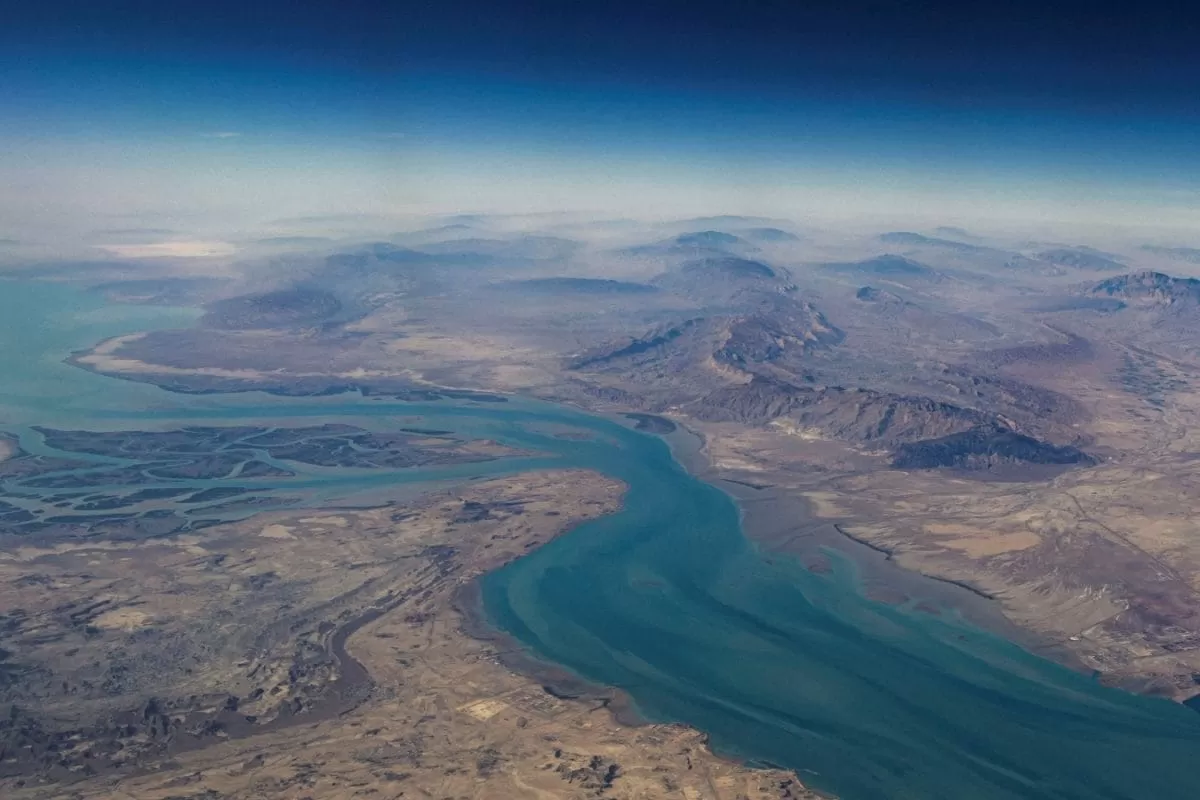
The conflict in West Asia, particularly in the Persian Gulf, has been ongoing for decades. However, recent escalations between the United States and Iran have exacerbated the situation, leading to a series of events that have severely disrupted the oil supply. The US imposed sanctions on Iran, one of the world’s largest oil producers, in an attempt to curb their nuclear program. In retaliation, Iran has threatened to block the Strait of Hormuz, a crucial shipping route for oil exports. This threat has caused major concerns for the global oil market, as nearly 20% of the world’s oil supply passes through this narrow waterway.
Furthermore, the attack on Saudi Arabia’s oil facilities in September 2019 has only added to the chaos. The Houthi rebels in Yemen claimed responsibility for the attack, but the US has pointed fingers at Iran. This incident has caused a significant decrease in Saudi Arabia’s oil production, which is the world’s largest oil exporter. The sudden drop in oil supply has sent shockwaves through the global market, causing prices to spike by nearly 20%.
The impact of this supply shock has been felt worldwide. Oil-dependent countries, such as Japan and South Korea, have been hit the hardest, as they rely heavily on imports to meet their energy needs. The rise in oil prices has also affected the cost of living, as transportation and production costs have increased, leading to a rise in the prices of goods and services. The stock market has also been affected, with energy stocks taking a hit, and investors scrambling to find stability in the volatile market.
The situation has also caused a shift in the dynamics of the oil market. With the US now being a major oil producer, it has become less dependent on imports from the Middle East. This has given the US more leverage in the global oil market, and they have been able to fill in the gap left by the decrease in Saudi Arabia’s oil production. However, this has also led to concerns about the US becoming too powerful in the oil market, which could have long-term implications for the global economy.
In response to the supply shock, major oil-producing countries have stepped in to stabilize the market. The Organization of the Petroleum Exporting Countries (OPEC) and its allies, including Russia, have agreed to cut production by 1.2 million barrels per day. This move has helped to ease the pressure on the market, but concerns still remain about the sustainability of this decision and its impact on the global economy.
The ongoing conflict in West Asia has not only caused a supply shock in the oil market but has also raised questions about the region’s stability and security. The threat of further disruptions in oil supply has created a sense of uncertainty and fear among consumers and investors. The need for a peaceful resolution to the conflict has become more pressing than ever before.
In conclusion, the ongoing conflict in West Asia has triggered the largest oil supply shock in modern history, with far-reaching consequences for the global economy. The sudden rise in oil prices and supply disruptions have caused chaos in the market, affecting countries, industries, and individuals worldwide. While measures have been taken to stabilize the market, a long-term solution to the conflict is needed to ensure stability and security in the region. Let us hope for a peaceful resolution to the conflict and a return to a stable and sustainable oil market.
