
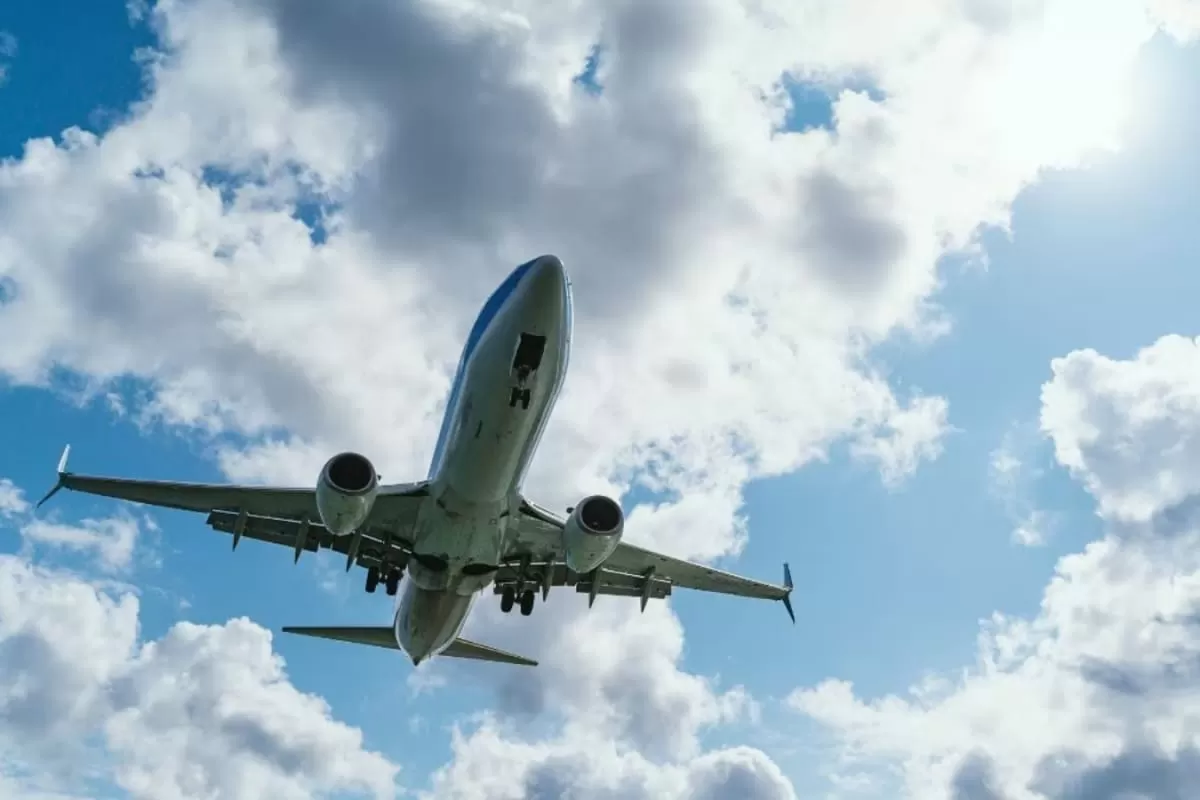
The aviation industry has been facing a major crisis following a coordinated US-Israeli strike against Iran on February 28. This unexpected turn of events has sent shockwaves throughout the world and has left many in a state of confusion and uncertainty. As the dust settles, it is important to understand the implications of this strike and its impact on the aviation industry.
On February 28, a joint military operation was carried out by the United States and Israel, targeting several locations in Iran. The attack was aimed at destroying Iran’s nuclear facilities and disrupting their nuclear program. While the strike was successful in achieving its objective, it has also caused widespread disruption in the aviation industry.
One of the major consequences of the strike is the closure of airspace in the region. Several countries have closed their airspace in fear of retaliatory attacks from Iran, resulting in the cancellation of flights and disruption of air travel. This has caused a ripple effect, with airlines being forced to adjust their routes and schedules, leading to delays and cancellations for passengers.
The closure of airspace has not only affected commercial flights but also cargo and military operations. This has caused a major setback for global trade and has also affected the movement of troops and supplies. The aviation industry plays a crucial role in facilitating trade and defense operations, and this crisis has highlighted the vulnerability of this sector.
Moreover, the strike has also raised concerns about the safety and security of air travel. With tensions rising in the region, there is a fear of further attacks and disruptions in the future. This has led to an increase in security measures, causing delays and inconvenience for travelers. This crisis has once again highlighted the importance of stringent security measures in the aviation industry.
The aviation crisis has also had a significant impact on the economy. The closure of airspace and disruption of air travel has resulted in a loss of revenue for airlines and airports. This, in turn, has a ripple effect on businesses that rely on air travel for their operations. With the aviation industry being a major contributor to the global economy, this crisis has the potential to cause a domino effect and affect various sectors.
In the wake of this crisis, it is important for the aviation industry to come together and find solutions to overcome these challenges. The first step towards this would be to ensure the safety and security of air travel. Governments and airlines must work together to implement effective security measures and protocols to restore confidence in air travel.
Additionally, there needs to be a coordinated effort to reopen the airspace in the region and resume normal operations. This will require diplomatic efforts and cooperation between countries to ease tensions and ensure the safety of air travel.
The aviation industry must also focus on mitigating the economic impact of this crisis. Airlines and airports need to explore alternative routes and strategies to minimize the losses incurred. Governments can also provide financial aid and support to the affected businesses to help them get back on track.
In conclusion, the aviation crisis following the US-Israeli strike against Iran on February 28 has had a significant impact on the industry. It has disrupted air travel, raised security concerns, and affected the economy. However, this crisis also presents an opportunity for the aviation industry to come together and find solutions to overcome these challenges. With effective measures and cooperation, we can overcome this crisis and ensure the safety and security of air travel. Let us stand united and work towards a brighter future for the aviation industry.
