
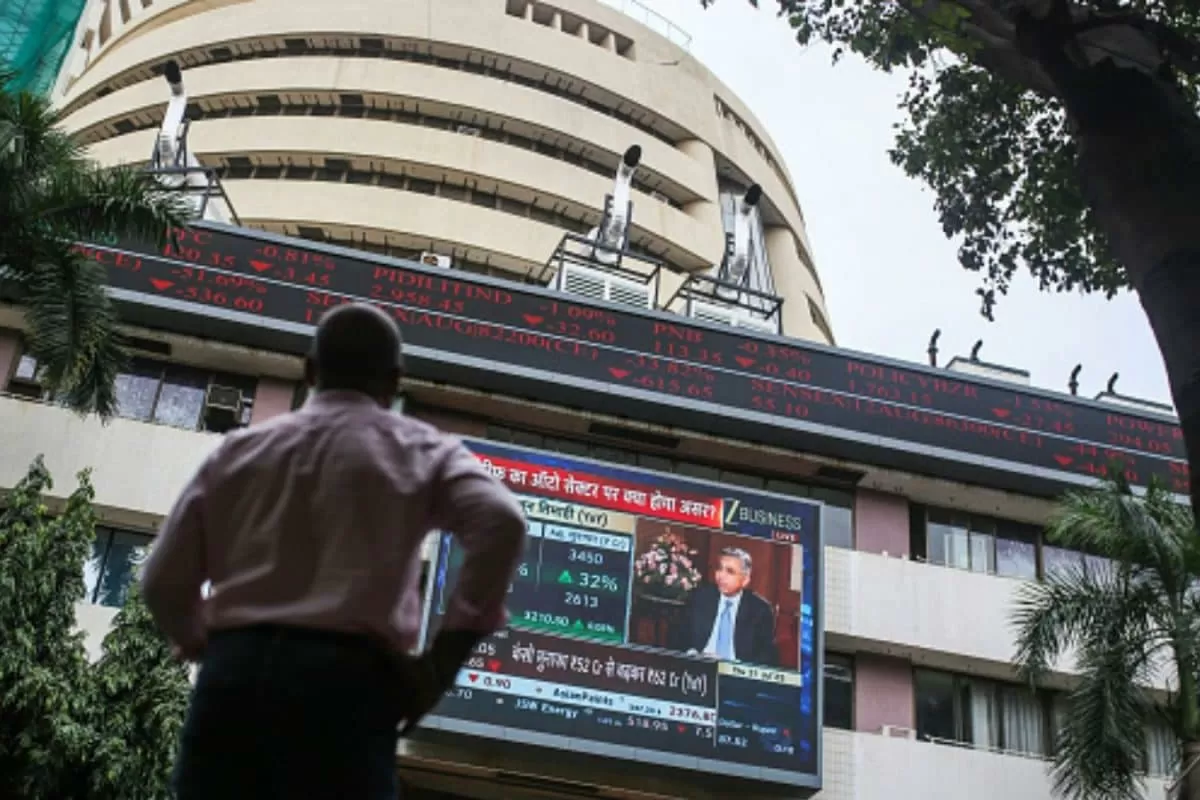
The Indian stock market started off on a negative note today, with both the Nifty50 and the Sensex declining at open. This fall can be attributed to weak global cues, as investors worldwide remain cautious amidst the ongoing trade tensions between the United States and China.
The Nifty50, which represents the top 50 companies listed on the National Stock Exchange (NSE), opened at 11,365.55 and fell by 0.68% to 11,288.15 in the first few minutes of trading. Similarly, the Sensex, which comprises of the top 30 companies listed on the Bombay Stock Exchange (BSE), opened at 38,058.40 and dropped by 0.70% to 37,810.40.
The decline in the Indian stock market can be attributed to the negative sentiment prevailing in the global market. The ongoing trade tensions between the US and China have created uncertainty among investors, leading to a bearish trend in the stock markets across the world. This has also affected the Indian market, as a large portion of India’s economy is dependent on global trade.
Another reason for the decline could be the recent appreciation of the Indian rupee against the US dollar. This has led to concerns among exporters, as they fear a decline in their profits due to the rise in the local currency. Moreover, the fall in the rupee has also made imports cheaper, which could lead to an increase in the current account deficit.
However, it is important to note that the fall in the stock market is not a reflection of the Indian economy as a whole. India’s economic growth has been resilient, with a GDP growth rate of 7.2% in the last quarter. The recent reforms undertaken by the government have also boosted investor confidence, as they believe that the Indian market has great potential for growth in the long term.
Moreover, the decline in the stock market could also present an opportunity for investors to enter the market at lower levels. This could be a wise move, as the fundamentals of the Indian market remain strong and the long-term growth potential is still intact. The current dip in the market is a temporary phase and investors should not be swayed by short-term fluctuations.
It is also important to note that the current decline in the market is not a cause for panic. The Indian stock market has been known to bounce back from such dips in the past and has always shown resilience in the face of global uncertainties. The Indian economy is on a growth trajectory and the government’s efforts towards structural reforms will only strengthen it in the long run.
As investors, it is important to focus on the long-term prospects of the market, rather than being influenced by short-term fluctuations. The Indian market has shown tremendous growth in the past and has the potential to continue on this path in the future. The Nifty50 and the Sensex may be down at the moment, but that should not deter investors from investing in the Indian market.
In conclusion, the decline in the Nifty50 and the Sensex at open today is a result of weak global cues. However, this should not be a cause for worry, as the Indian economy remains strong and the long-term growth potential of the market is intact. Rather than being disheartened by the current situation, investors should take this as an opportunity to enter the market at lower levels and reap the benefits of India’s economic growth in the long run.
