
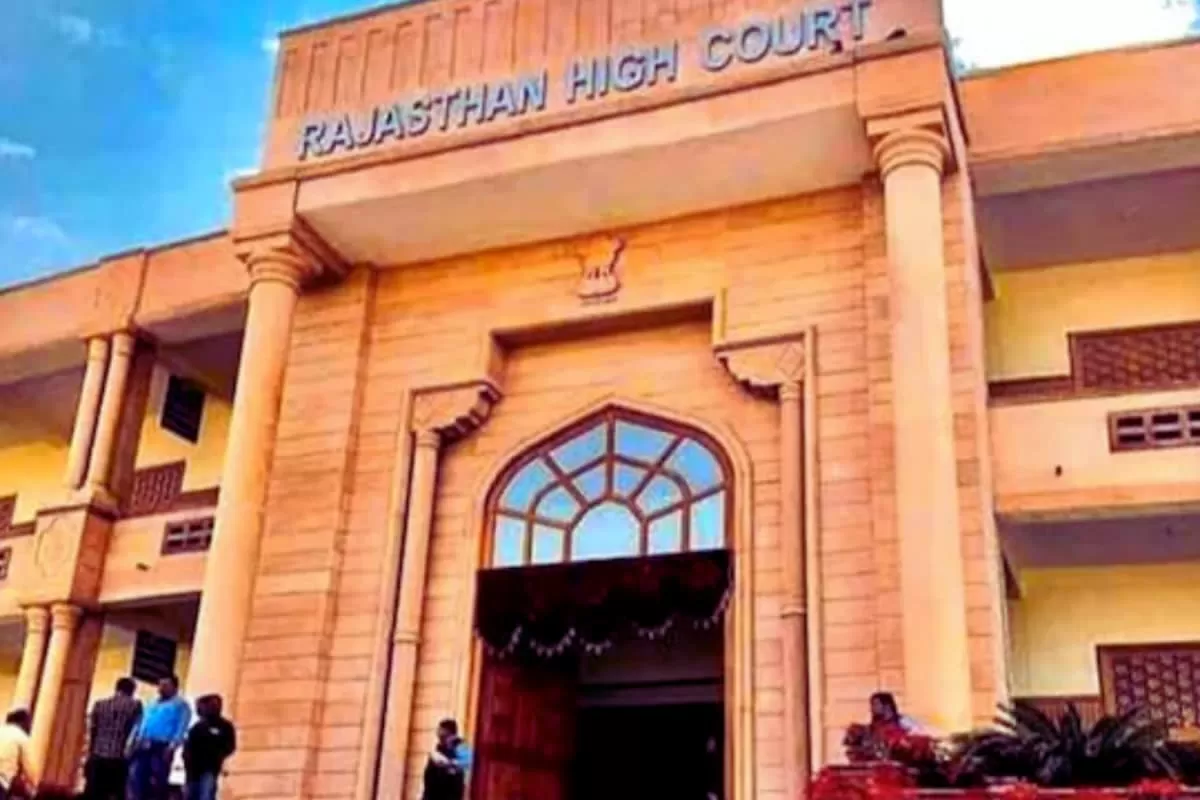
A recruitment controversy has erupted in the state of Rajasthan, as the reserved category cut-off for Class IV posts has been set at zero. This has sparked a heated debate and raised questions about the fairness and transparency of the recruitment process in the state. The High Court has taken notice of the matter and has summoned the state government to provide an explanation.
The issue at hand is the recently concluded recruitment process for Class IV posts, which included positions such as peons, cleaners, and sweepers in various government departments. The reserved category candidates, who were promised a certain number of positions as per the reservation policy, were left shocked when the cut-off for their category was set at zero. This essentially means that no reserved category candidate could meet the minimum qualifying criteria for these posts.
This move by the state government has been met with widespread criticism from all quarters. The reserved category candidates have expressed their disappointment and have raised concerns about the violation of their constitutional rights. They feel that this decision goes against the very purpose of having reservations, which is to provide equal opportunities for the marginalized sections of the society.
The High Court has also taken suo moto cognizance of the matter and has raised questions about the rationale behind setting the cut-off at zero for the reserved category. The court has stated that it is the responsibility of the state government to ensure that the reservation policy is implemented in letter and spirit, and any deviation from it is not acceptable.
The state government, on the other hand, has defended its decision by stating that the vacancies in the reserved category were already filled through direct recruitment in previous years and the current recruitment process was only for the general category. This explanation has not been well received by the reserved category candidates as they feel that this move is a clear attempt to deny them equal opportunities and promote discrimination.
This recruitment row has not only caused distress among the reserved category candidates but has also raised questions about the transparency of the recruitment process. It has been alleged that the entire process was designed to favor a certain section of the society and the reserved category candidates were deliberately kept out of the competition. This has further fueled the debate around the issue of reservation and its effectiveness in achieving social justice.
The Rajasthan High Court has directed the state government to provide a detailed explanation for its decision and has adjourned the case for further hearing. The court has also emphasized the importance of maintaining the sanctity of the reservation policy and has stated that any dilution of it would be a grave injustice to the marginalized sections of the society.
It is high time for the state government to take a serious look at this matter and ensure that such incidents do not occur in the future. The reservation policy was introduced to provide a level playing field for the underprivileged sections of the society and it is the responsibility of the state to uphold it. Any deviation from it not only goes against the principles of social justice but also undermines the very foundation of our democracy.
Moreover, the government must take steps to ensure transparency and fairness in the recruitment process. Any doubts or discrepancies in the process will only lead to unrest and mistrust among the candidates. The government must also make efforts to bridge the gap between the reserved and general category candidates by providing them with equal opportunities for growth and development.
In conclusion, the recruitment row in Rajasthan over the reserved category cut-off for Class IV posts is a matter of great concern. It has raised pertinent questions about the effectiveness of the reservation policy and the fairness of the recruitment process. The state government must take corrective measures to address these concerns and ensure that the principles of social justice are upheld. Let us hope that this controversy will be resolved soon and the state will move towards a more inclusive and equitable society.
