
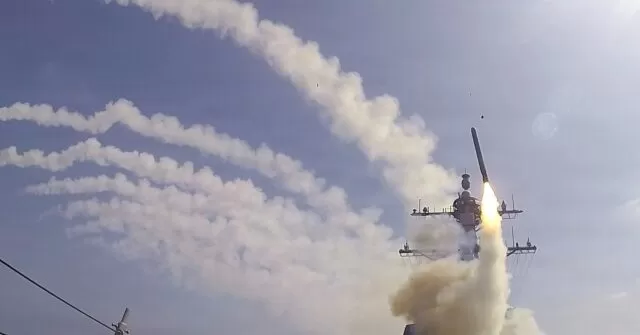
The recent tensions between the United States and Iran have caused widespread concern in the shipping industry. With the possibility of a full-blown war looming, experts are worried about the potential disruption to global supply chains. While the focus has primarily been on the impact on oil and liquid natural gas (LNG) shipments through the Strait of Hormuz, the effects of a conflict in the region could be far-reaching and extend beyond just these commodities.
The Strait of Hormuz is a vital shipping route, with approximately 20% of the world’s oil passing through it. Any disruption to this route would have a significant impact on the global economy, as oil prices would skyrocket and supply shortages would occur. However, the shipping industry is also concerned about the potential disruption to other types of cargo, both by sea and air.
Ocean freight is a crucial component of global trade, with goods being transported across the world on massive container ships. These ships carry everything from electronics and clothing to food and raw materials. A conflict in the Middle East could lead to delays in shipments, as well as increased costs due to rerouting and insurance premiums. This would not only affect businesses but also consumers, who would ultimately bear the brunt of these additional costs.
Air cargo is another essential aspect of global supply chains, with goods being transported quickly and efficiently across the world. However, with the possibility of a war in the region, air travel could be severely impacted. Airlines may be forced to cancel or reroute flights, leading to delays and disruptions in the delivery of goods. This would have a significant impact on industries such as pharmaceuticals and perishable goods, which rely heavily on air cargo for timely delivery.
The shipping industry is also concerned about the potential for increased piracy in the region. In times of conflict, pirates often take advantage of the chaos to attack ships and steal valuable cargo. This would not only result in financial losses for shipping companies but also pose a threat to the safety of crew members.
The effects of a war in Iran would not be limited to just the Middle East. The interconnected nature of global supply chains means that any disruption in one region can have a ripple effect on the rest of the world. For example, if shipments from the Middle East are delayed or halted, it could lead to shortages of goods in other parts of the world, causing a domino effect on the global economy.
The shipping industry is already facing challenges such as overcapacity and trade tensions between major economies. A conflict in the Middle East would only add to these challenges and could have long-lasting effects on the industry. It is crucial for all stakeholders to work together to find solutions and mitigate the potential impact of a war in the region.
In conclusion, the shipping industry is deeply concerned about the potential disruption to global supply chains in the event of a war in Iran. While the focus has been on the impact on oil and LNG shipments, the effects could extend far beyond these commodities. It is essential for all parties involved to work towards finding solutions and minimizing the potential impact on the global economy. Let us hope that peace prevails, and the shipping industry can continue to play its vital role in facilitating global trade and economic growth.
