
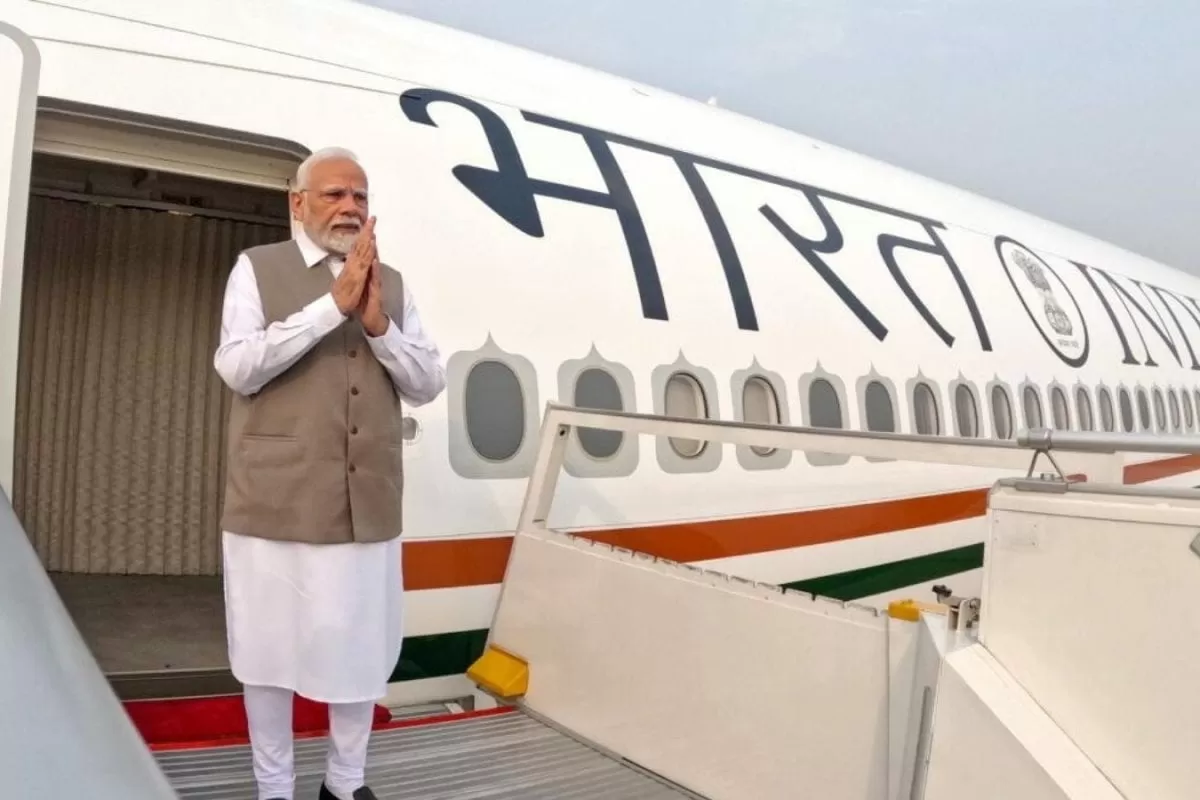
Prime Minister Narendra Modi’s visit to Malaysia on 7 February 2026 is poised to become a pivotal chapter in India’s semiconductor story. With the Indian economy on the rise and the government’s focus on promoting indigenous manufacturing, this visit holds great significance for the country’s semiconductor industry.
The Indian semiconductor market, which is currently valued at USD 30 billion, is expected to reach USD 94.2 billion by 2025, according to a report by IESA (India Electronics and Semiconductor Association). This growth is primarily driven by the increasing demand for electronic devices and the government’s initiatives to boost domestic manufacturing.
In this context, Prime Minister Modi’s visit to Malaysia is a step towards strengthening India’s position in the global semiconductor market. Malaysia is one of the world’s leading players in the semiconductor industry, with companies like Intel, Infineon, and NXP Semiconductors having a significant presence in the country. The Prime Minister’s visit is expected to pave the way for collaborations and investments between Indian and Malaysian companies, which will further boost India’s semiconductor sector.
During his visit, Prime Minister Modi is scheduled to meet with top executives of leading Malaysian semiconductor companies. This presents an excellent opportunity for Indian companies to showcase their capabilities and explore potential partnerships. With the government’s push towards ‘Make in India’ and ‘Atmanirbhar Bharat,’ such collaborations will help in creating a robust semiconductor ecosystem in the country.
One of the key areas of focus for the Indian government is developing a semiconductor fabrication ecosystem in the country. Currently, India imports over 90% of its semiconductor needs, which not only adds to the trade deficit but also makes the country vulnerable to supply chain disruptions. With the Prime Minister’s visit to Malaysia, India is looking to learn from the country’s successful semiconductor industry and attract investments to set up semiconductor fabrication units in India.
The Prime Minister’s visit also coincides with the launch of the National Programme on Advanced Manufacturing, which aims to promote the development of advanced manufacturing technologies in the country. This programme includes the establishment of semiconductor fabrication facilities, which will further fuel the growth of the industry.
Moreover, the Indian government is also taking steps to boost the research and development (R&D) capabilities in the semiconductor sector. The recently announced Production Linked Incentive (PLI) scheme for the electronics sector includes incentives for companies engaged in R&D activities, which will encourage innovation and indigenous development of semiconductor technologies.
With all these efforts, India is poised to become a major player in the global semiconductor market. The country’s skilled workforce, cost-competitive manufacturing, and supportive government policies make it an attractive destination for semiconductor companies looking to diversify their supply chains.
The Prime Minister’s visit to Malaysia is also expected to strengthen the bilateral relationship between the two countries. The two nations have a history of close economic ties, and this visit will further deepen the cooperation in the semiconductor sector. This will not only benefit the two countries but also contribute to the growth and development of the entire South-East Asian region.
In conclusion, Prime Minister Narendra Modi’s visit to Malaysia on 7 February 2026 is a significant step towards making India a global hub for semiconductor manufacturing. With the government’s focus on promoting domestic manufacturing and the launch of various initiatives, the country is on track to become a major player in the semiconductor industry. The visit to Malaysia will open new avenues for collaborations and investments, which will further accelerate the growth of the sector. This visit is a clear indication of the government’s commitment towards achieving self-reliance and making India a global leader in the semiconductor market.
